
Overview
Two U.S. special envoys, Steve Witkoff and Jared Kushner, were in Israel on Saturday to meet with Prime Minister Benjamin Netanyahu, primarily to discuss the situation in Gaza, sources briefed on the matter said. Their visit follows a recent U.S. blueprint for a comprehensive reconstruction of Gaza - dubbed "New Gaza" - and coincides with evolving arrangements for the Rafah border crossing between Gaza and Egypt.
U.S. reconstruction plan
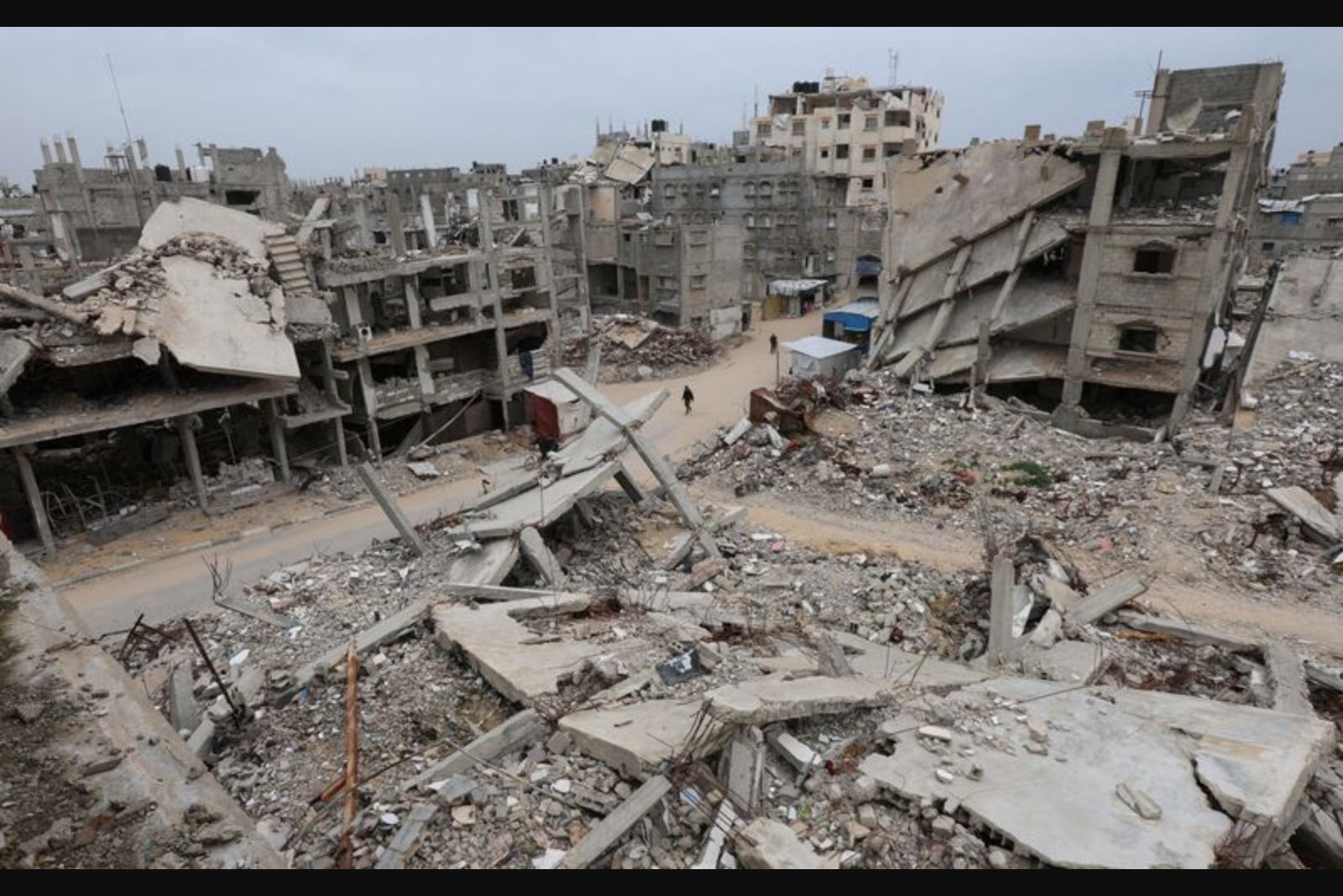
The United States previously unveiled a plan to rebuild Gaza from scratch under the label "New Gaza." The proposal includes a range of projects described as residential towers, data centres and seaside resorts. The blueprint forms part of a broader U.S. effort, led by President Donald Trump, to advance an Israel-Hamas ceasefire that has experienced repeated breaches.
Diplomatic contacts and official responses
The office of the Israeli prime minister did not immediately reply to a request for comment on the envoys' visit. Separately, Ali Shaath, identified as the head of a transitional Palestinian committee backed by the United States to temporarily administer Gaza, stated that the Rafah border crossing would open next week. Rafah is described as effectively the main route in or out of Gaza for nearly all of the territory's more than 2 million residents.
Border conditions and Israeli stipulations
According to three sources briefed on the issue, Israel is seeking to limit the number of Palestinians entering Gaza through the Rafah crossing with Egypt. The stated objective is to ensure that, when the crossing opens, the number of people permitted to leave Gaza will exceed the number allowed to enter. The Gaza side of the crossing has been under Israeli military control since 2024.
Ceasefire phases and administrative transition
The Rafah border opening had been expected during the initial phase of the U.S. plan to end the war, under a ceasefire reached in October. Washington has since said the plan has progressed into a second phase, which envisages Israel withdrawing its forces further from Gaza and Hamas ceding control of the territory's administration.
Human toll
Gaza's health ministry provided casualty figures on Saturday, recording 71,654 deaths since October 7, 2023, and 481 deaths since the October ceasefire.
Related security statements
President Trump also said the United States had an "armada" en route to Iran, while expressing hope it would not be necessary to use it. He reiterated warnings to Tehran about killing protesters and about restarting its nuclear program.
Implications for implementation
The envoys' discussions with Israeli leadership are taking place against this complex mix of reconstruction plans, border-control considerations, phased ceasefire expectations and regional security statements. How these elements align operationally will shape the immediate next steps for governance, reconstruction and movement across the Rafah crossing.
Note: Details in this story reflect statements and figures reported by involved parties and a Gaza health ministry update.