
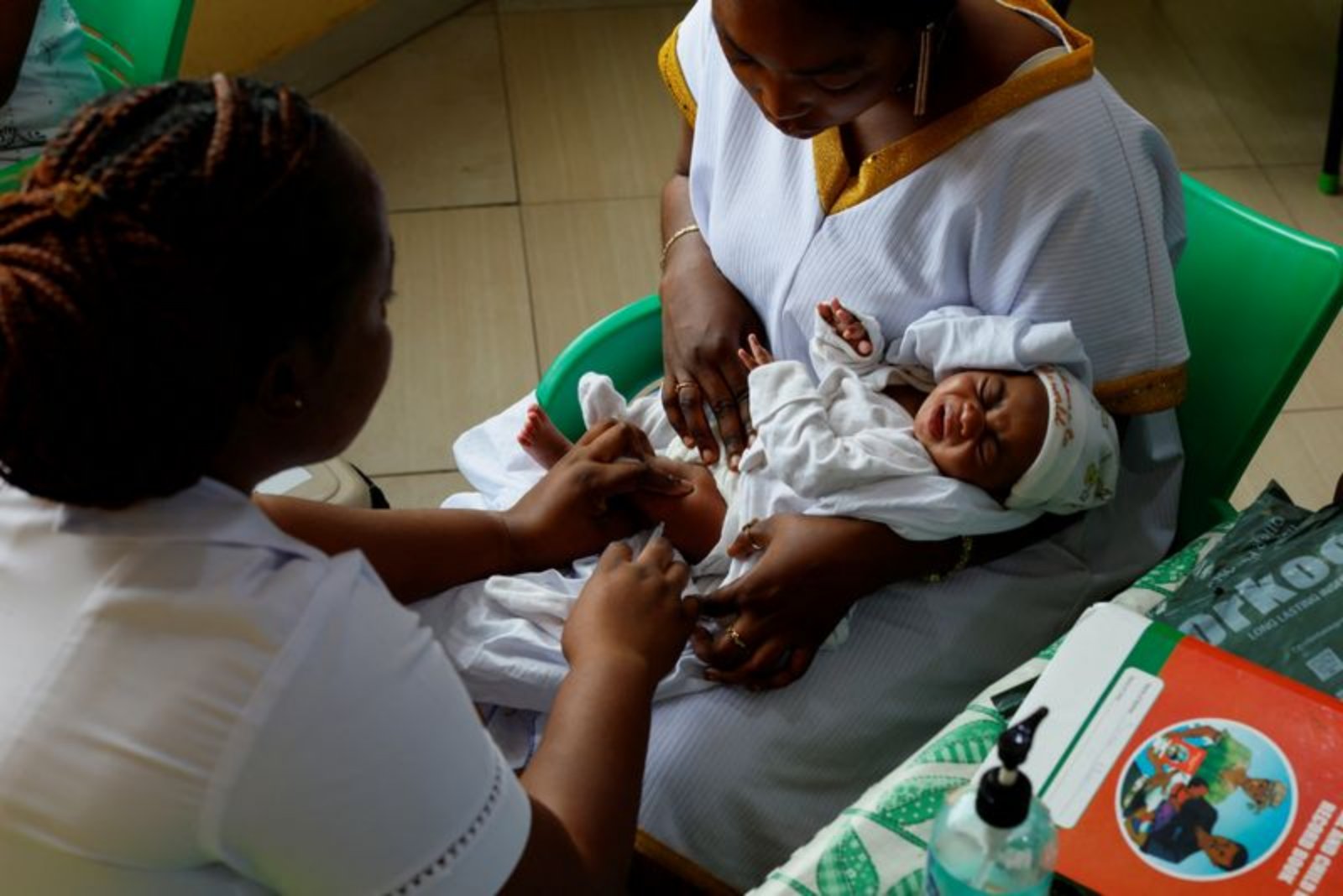
Overview
The United States is changing how it routes donated medical products for diseases such as HIV and malaria to lower-income nations, prompting concerns from multiple sources that the rapid shift could cause shortages or service gaps. For years these donations were largely handled through a centralized program managed by a private contractor; U.S. officials are now dismantling that model in favor of bilateral agreements with recipient governments and commercial supply channels.
Program background and recent disruption
Since its creation in 2016, the Global Health Supply Chain Program - Procurement and Supply Management, run by the private firm Chemonics, served as the primary channel for U.S.-donated HIV and malaria products. From 2016 through 2024 it delivered more than $5 billion worth of such products to 90 countries, primarily in sub-Saharan Africa and Asia. The program had already been interrupted when President Donald Trump froze international aid on the first day of his presidency in January last year, leaving millions of dollars of medical supplies stranded in ports and warehouses - from HIV medications to insecticide-treated bed nets. Much of the distribution resumed after the U.S. issued a waiver for life-saving products.
Now, however, the future of that centralized program is uncertain as the administration reshapes foreign assistance, reduces budgets, and transitions away from contractor-led management toward direct bilateral arrangements with recipient governments.
Timeline and internal guidance
An internal State Department email asked U.S. staff in 17 African countries and in Haiti to stop implementing the existing supply program by May 30. The communication said the contract with Chemonics would end on September 30 in line with all USAID awards, despite the program's official end date being in November. The email, seen and verified by two sources, warned there could be "immediate risks to service continuity if (the) transition is rushed or incomplete" and requested each country office to describe how it would manage the handover and to notify Washington of any risks or needs for additional time. A State Department spokesperson said the department had "not provided any technical direction to Chemonics to cease operations by May 30 or any other date". Chemonics declined to comment.
Concerns from multiple sources
Five sources told reporters the speed of the change could result in shortages or gaps in the delivery of life-saving products in some countries, with potentially grave consequences. Their concern focuses on the compressed timeline being proposed for handing over complex procurement and distribution tasks, especially in hard-to-reach areas where ordering, transport and last-mile delivery can require extensive lead time.
Discussions with the Global Fund
Officials are reported to have been in conversations with the Global Fund to Fight AIDS, Tuberculosis and Malaria about the possibility of using the Global Fund's supply platform to procure and deliver donated health products in the future. The Global Fund already manages the purchase and supply of about $2 billion a year in health products for those three diseases and maintains an online procurement platform used by partners. Six sources said such discussions were underway. Two of those sources said earlier talks had envisaged a transition in November 2027, and cautioned that the newer, accelerated timeline being discussed was unrealistic because ordering products for remote locations can take up to a year rather than the weeks now envisaged. The Global Fund declined to comment.
The State Department did not directly answer whether it was in talks with the Global Fund, but stated it would use available pooling mechanisms to buy supplies at the lowest prices from private manufacturers.
Policy shift - America First Global Health Strategy
Last year, the administration outlined a new global health direction that prioritizes frontline health supplies, health workers and technicians, and working directly with individual countries. The America First Global Health Strategy, published in September, singled out contractors as contributing to "significant inefficiency and waste" that the new approach seeks to eliminate. A State Department spokesperson described the current system as "a bloated piece of an obsolete development model" that "does not put the American taxpayers first and instead helps to line the pockets of large U.S.-based development firms".
Under the new model, the U.S. government says it has signed 28 bilateral health pacts with recipient governments and plans to rely primarily on private logistics firms to distribute supplies.
Country-level arrangements and outstanding issues
In recent months Washington pledged to provide funding directly to the governments of Kenya, Rwanda and Uganda, and it has signaled expectations of increased national spending alongside U.S. assistance. However, implementation details remain unresolved. The Kenya agreement faces a court challenge brought by Kenyan activists raising data privacy concerns, while negotiations with the Zambian government have been delayed. These outstanding issues add to uncertainty about how smoothly and quickly bilateral arrangements will replace the existing contractor-led system.
Implications and outlook
Officials and practitioners involved in procurement and distribution warned that transitioning procurement, inventory, and last-mile delivery responsibilities without a clear, technically detailed handover plan could create gaps in treatment and prevention services. Given the scale of the U.S. contribution through the former program - more than $5 billion of products delivered to 90 countries over eight years - any failure to maintain continuity in supply chains could have significant public health repercussions in the affected countries.
The U.S. administration maintains it will find efficient, lower-cost mechanisms to purchase and move supplies, but multiple sources cautioned that the compressed timelines and unresolved bilateral arrangements could lead to interruptions before new systems are fully operational.
Summary of immediate facts
- The U.S. is exiting a contractor-run medical supply program managed by Chemonics that operated from 2016 to 2024 and delivered over $5 billion in HIV and malaria products to 90 countries.
- An internal State Department email asked U.S. country staff in 17 African countries and Haiti to stop implementing the program by May 30, while the contract is scheduled to end September 30, with an official program end date in November.
- Multiple sources warned the rapid transition could create "immediate risks to service continuity" and potentially lead to shortages in some countries; the U.S. plans to shift to bilateral pacts and private logistics and is in discussions with the Global Fund about alternative procurement arrangements.