
World March 25, 2026

U.S. Offers Up to $3 Million and Relocation for Intelligence on Finances of Haiti’s Major Gang Groups

Shift from targeting leaders to disrupting financial networks as violence and displacement rise in Port-au-Prince and beyond

By Ajmal Hussain
U.S. Offers Up to $3 Million and Relocation for Intelligence on Finances of Haiti’s Major Gang Groups

The U.S. announced a reward of up to $3 million and possible relocation for information on the financial operations of two Haitian criminal coalitions, Viv Ansanm and Gran Grif. Both groups have been designated as terrorist organizations and are blamed for broad criminal enterprises that fund their control over the capital and rural regions. Violence has displaced more than 1.4 million people and contributed to soaring annual death tolls in Haiti.

Key Points

  • U.S. is offering up to $3 million and potential relocation for information on the finances of Viv Ansanm and Gran Grif - sectors impacted: security and law enforcement coordination.
  • The targeted groups are designated as terrorist organizations and are accused of diverse criminal revenue streams - sectors impacted: transportation, agriculture, and local commerce due to extortion, theft and kidnappings.
  • Violence has caused extensive displacement and mortality, straining humanitarian assistance and food-security responses - sectors impacted: humanitarian aid and food supply chains.

PORT-AU-PRINCE, March 25 - The U.S. on Wednesday unveiled an offer of up to $3 million and the possibility of relocation in exchange for information about the financing of two Haitian criminal coalitions, Viv Ansanm and Gran Grif.

Washington has designated both organizations as terrorist entities. The groups are described as coalitions that bring together hundreds of gangs operating in Port-au-Prince, the Artibonite farming region and parts of central Haiti. The announcement represents a change in U.S. tactics - whereas earlier bounties targeted individual gang leaders, the current approach aims at the groups' financial infrastructures.

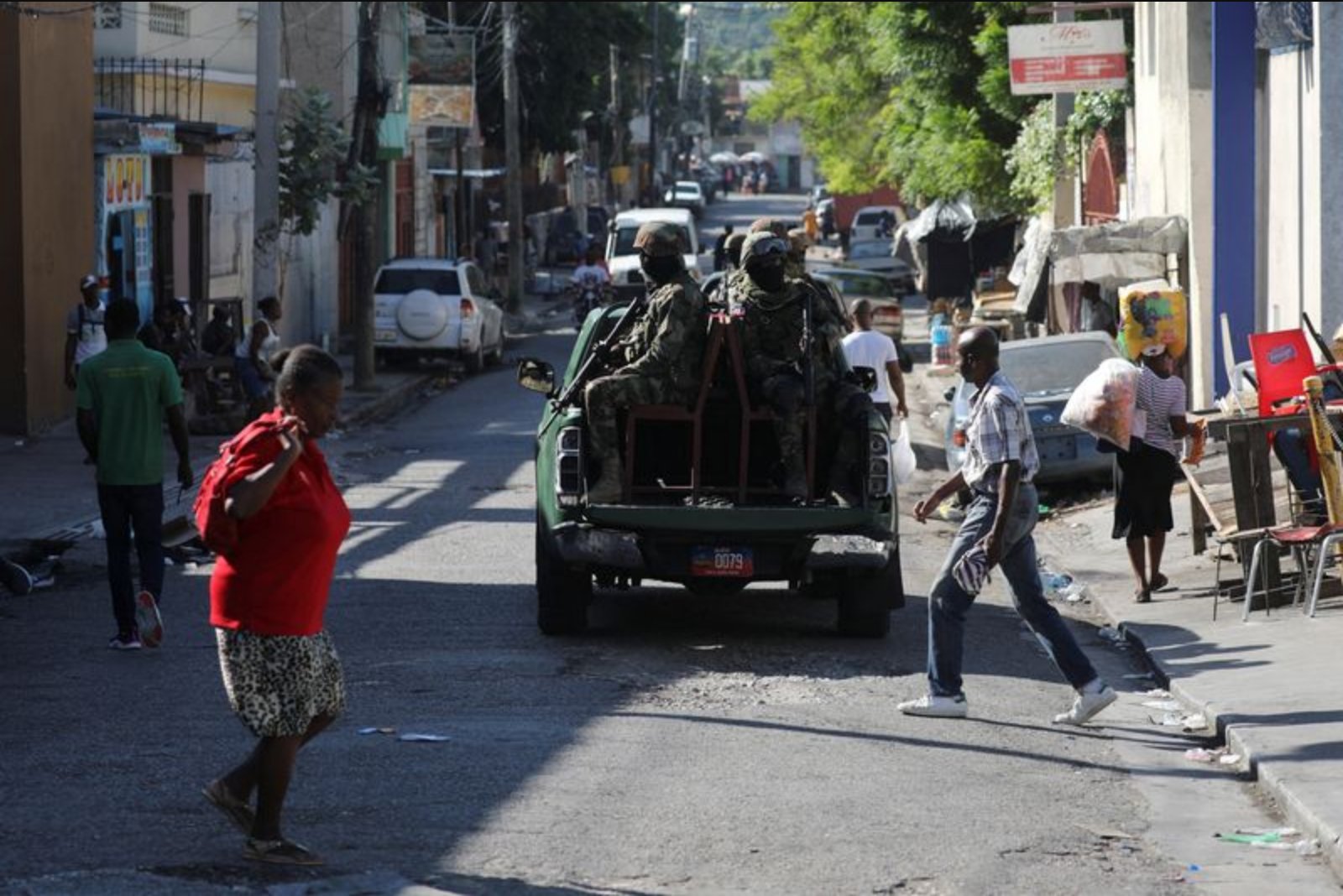
Haitian security forces, backed by a U.N.-supported force deployed three years ago and a U.S. private military company, have stepped up operations against the armed gangs that now control large portions of the capital. Despite intensified operations, authorities have not yet secured the arrest of any major gang leader.

Once reliant on patronage from elites, Haiti's gangs have become more self-sufficient economically as they solidified control over Port-au-Prince and extended their reach into rural areas. The groups are accused of a wide range of revenue-generating and criminal activities. Among their alleged methods of raising funds are extortion at checkpoints and on roads, thousands of ransom kidnappings, trafficking in firearms and drugs, organ trafficking, and theft of vehicles, buildings and crops.

The ongoing conflict with gangs has driven more than 1.4 million people from their homes and worsened food insecurity across the country. Close to 20,000 people have been reported violently killed in Haiti since 2021, with the death toll increasing each year.

The United Nations states that most gang-related killings involve firearms that are trafficked into Haiti illegally. Many of those weapons are believed to be coming through U.S. ports in Florida and Georgia, according to the U.N. assessment cited in the announcement.


Contextual sidebar - investment note included in original announcement:

Material accompanying the announcement highlighted a related promotional note about investment research tools, stating that selecting investments benefits from better data and AI-powered insights. That promotional content suggested services that combine institutional-grade data with AI to assist investors in finding opportunities for 2026.

Risks

  • Continued inability to arrest senior gang leaders despite intensified military and police efforts increases the risk of ongoing violence and instability - impacts security and investor confidence in the region.
  • Illegal trafficking of firearms into Haiti, with many weapons believed to move through U.S. ports in Florida and Georgia, sustains the high rate of lethal violence - impacts border security and logistics sectors.
  • The expansion of gangs' economic independence and control over roads, checkpoints and rural areas exacerbates displacement and food insecurity, complicating humanitarian operations and agricultural markets.

More from World

U.N. Refugee Chief Warns of Severe Shortfall in Aid as Middle East Conflict Drives Mass Displacement Mar 25, 2026 Pro-independence Naleraq Wins First Danish Parliament Seat as Greenland Debate Intensifies Mar 25, 2026 Right-leaning Fujimori and Lopez Aliaga Lead Peru Poll as Campaigns Enter Debates Mar 25, 2026 Mexico Reaffirms Backing for Bachelet's UN Bid After Santiago Withdraws Support Mar 25, 2026 German FM Urges Support for U.S.-Led Push for Iran Negotiations Mar 25, 2026