
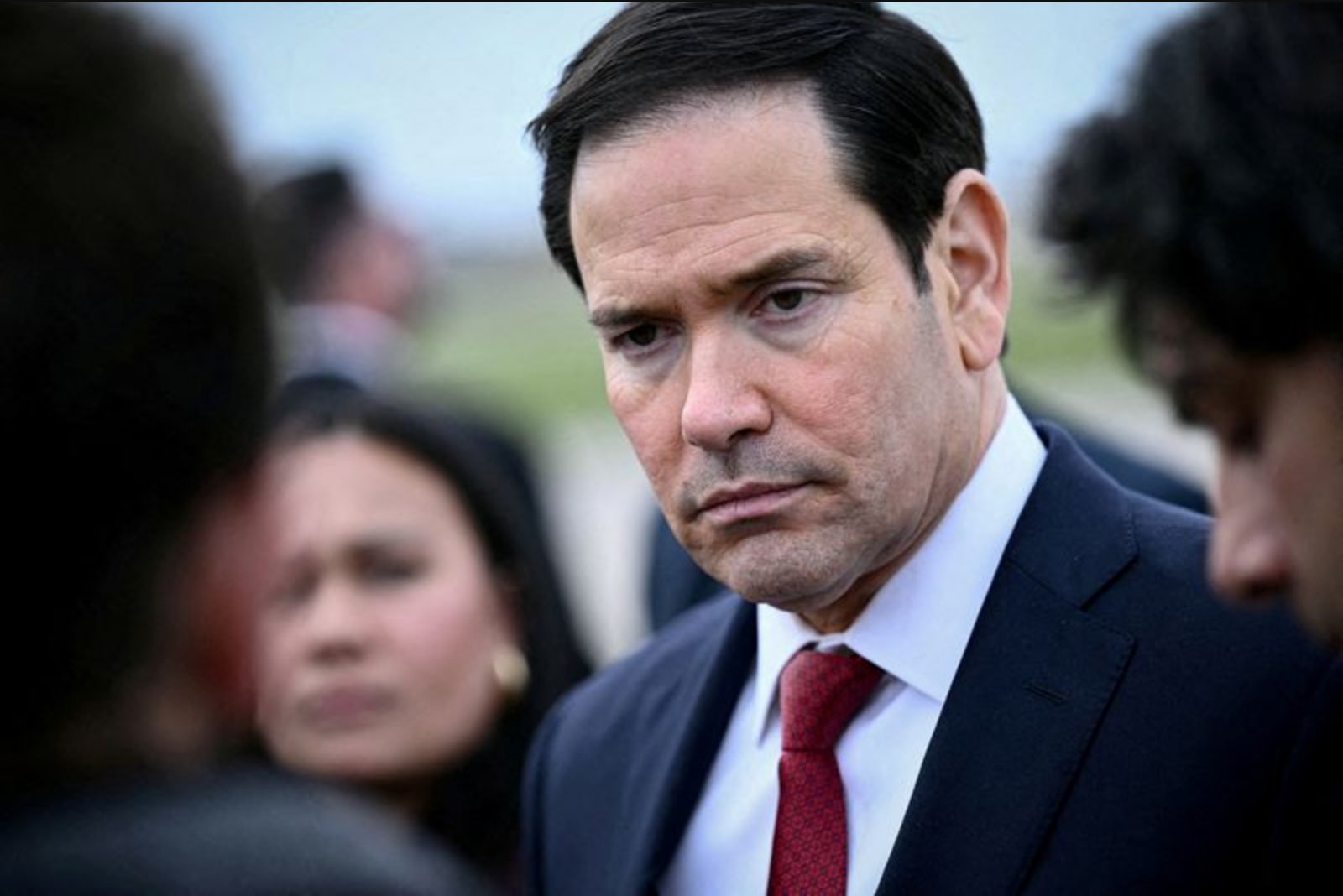
A recent cable from Secretary of State Marco Rubio instructs U.S. diplomats to leverage the social media platform X and to coordinate with Pentagon psychological operations elements as part of efforts to counter foreign anti-American propaganda and expose influence operations that threaten U.S. national security and American interests.
The memo is focused on ways to identify and publicly rebut foreign influence activities and falsehoods that "pose a direct threat to U.S. national security and fuel hostility toward American interests." It explicitly advises diplomats to "coordinate with interagency partners as appropriate," singling out the Pentagon’s Psychological Operations, formerly known as Military Information Support Operations (MISO).
The cable does not provide operational detail on how such coordination would work. Historically, MISO and its successor organizations have directed messaging campaigns intended to influence enemy combatants on the battlefield. One documented example cited in the memo points to past U.S. information operations against the Islamic State in Syria, including an incident in 2015 in which tens of thousands of graphic, cartoon-style leaflets showing recruits being pushed into a meatgrinder were air-dropped in the group’s area of operations.
Department officials and others have in past episodes experienced tensions when military information activities have overlapped with diplomatic efforts. The cable references earlier situations in which Pentagon psyop teams used covert social media accounts to circulate content that raised diplomatic concerns. The memo does not identify specific new actions in that vein, but it does flag the potential for interagency friction given prior precedents.
In terms of public-facing tools, the cable urges diplomats to elevate credible information and to expose falsehoods using features such as the crowdsourced commentary function on X, known as "community notes," as well as other, unspecified artificial intelligence tools. It directs embassy and mission personnel to make use of those mechanisms to call out fakes and provide trustworthy context to audiences.
The memo notes that X and its owner xAI did not immediately respond to requests for comment on the guidance. The platform has faced criticism after major reductions in moderation and safety staff following the 2022 change in ownership when it was known as Twitter. X has publicly defended its approach as prioritizing free speech and has promoted "community notes" as an alternative to centralized content moderation.
The cable also highlights corporate developments that may be relevant to policymakers. It points out that xAI was acquired last month by the rocket company SpaceX ahead of an anticipated public markets debut, an arrangement that results in X and the defense contractor being under a common corporate umbrella.
The Department sought comment from the Pentagon about the memo and about any potential role for its psychological operations units in supporting diplomatic efforts; the Pentagon did not immediately reply to those requests. The cable itself stops short of operational prescriptions and leaves open how any interagency cooperation would be structured, while pressing diplomats to use available platform tools to surface accurate information and counter false narratives.
Context and implications
The guidance directs diplomatic posts to prioritize verification and amplification of credible content on major social platforms, and to explore coordination with military messaging units. It underscores the challenges of reconciling diplomatic outreach with military information activities and spotlights the practical reliance on third-party platforms and emerging AI tools to handle contested narratives.