
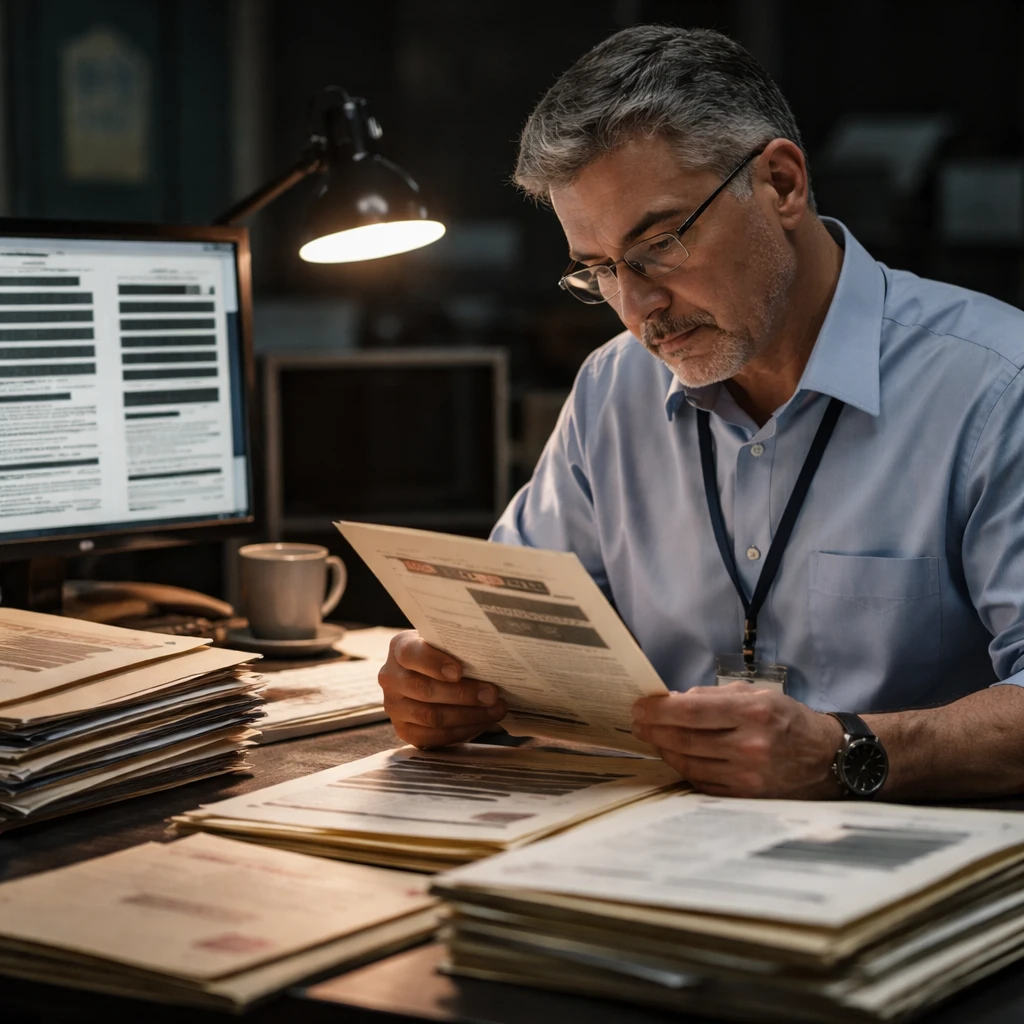
The U.S. Justice Department announced criminal charges against Aurelio Perez-Lugones, a 61-year-old contractor employee, accused of improperly sharing classified military documents with a journalist affiliated with The Washington Post. This information became public on January 22, highlighting the sensitivity and legal implications surrounding the handling of classified materials in government contracting.
According to officials at the Justice Department, Perez-Lugones took classified reports from his place of employment—a government contractor—and transmitted these documents to the reporter, who subsequently referenced them in published articles. These actions triggered a grand jury indictment, charging him specifically with the unlawful transmission and retention of classified information. He now faces a potential sentence of up to a decade in prison upon conviction.
Legal representation for Perez-Lugones has yet to issue a response regarding the charges. The situation gained greater public attention when Federal Bureau of Investigation agents conducted a search at the journalist Hannah Natanson's residence in connection with the investigation. The raid elicited concern among press freedom advocates, who argued that such measures could infringe upon journalistic independence and the protection of confidential sources.
In response to these concerns, a federal judge temporarily prohibited prosecutors from reviewing any documents seized during the raid on the journalist's home. The Washington Post has disclosed that Natanson was informed she is not considered a target within the ongoing investigation.
These events have unfolded in the context of a broader policy shift at the Justice Department during the prior administration, with reversed restrictions allowing more frequent seizure of reporters' records, reflecting a contentious intersection of national security interests and constitutional guarantees of press freedom.