
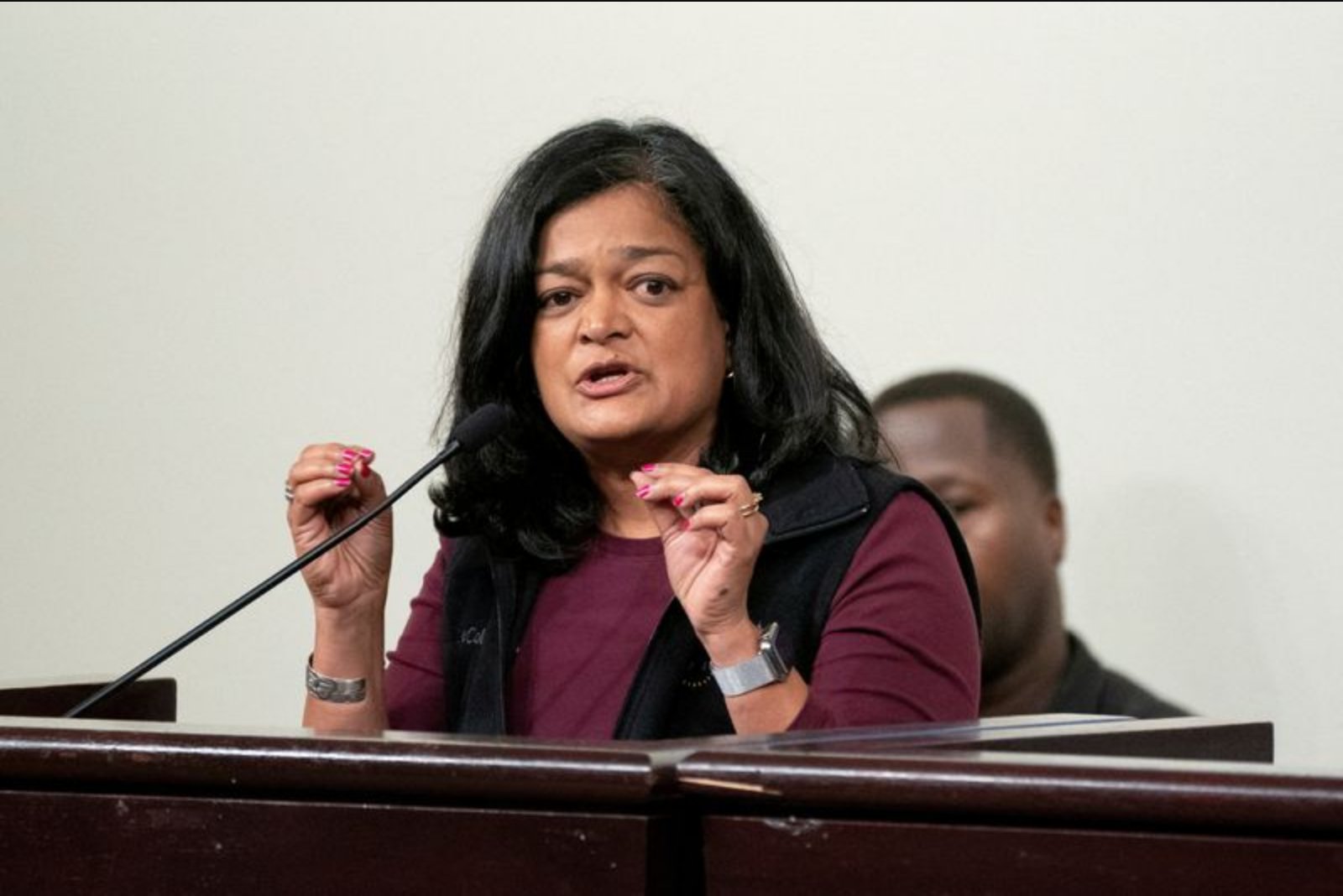
Two members of the U.S. House of Representatives traveled to Cuba last week in what they described as fact-finding and diplomatic outreach tied to a U.S. policy of restricting oil supplies to the island. The visit - the first congressional delegation this year to Havana - came amid a series of measures by the Trump administration that members of the delegation say have intensified the island's hardships.
The lawmakers, Pramila Jayapal and Jonathan Jackson, both Democrats, said their trip was driven by a desire to "see the suffering that is happening on the ground" as a consequence of the U.S. action that they characterized as "an illegal blockade of energy supplies." Their five-day visit concluded on Sunday and included meetings with Cuban President Miguel Diaz-Canel, sessions with Cuban lawmakers and talks with officials at Cuba's foreign ministry.
Jayapal, identified with the progressive wing of her party, and Jackson, who has long shown interest in Cuban affairs, said they observed damage to public services exacerbated by the fuel restrictions. The lawmakers visited hospital units in Havana - including an oncology ward and a maternity ward - that they described as deteriorating for decades but receiving particular strain from the fuel embargo.
"This is the most sanctioned part of Planet Earth right now, just 90 miles off our shores," Jackson told a small group of reporters at a privately-owned hostel near Havana's waterfront. "Let's bring the rhetoric down. People are suffering. And they are suffering for no good reason."
The trip occurred against a backdrop of heightened friction between Washington and Havana. The administration has taken several steps beyond the fuel restrictions: it has limited remittances to Cuba, threatened tariffs on countries that provide oil to the island and added Cuba to a list of nations designated as state sponsors of terrorism. Jayapal said there have been early-stage discussions between the two governments, though she cautioned the talks had not reached formal negotiation.
"There has been dialogue - the beginnings of dialogue," Jayapal said following meetings with senior Cuban officials. "I don't think it's reached the state of negotiation that we were told. But I think there is a desire to ensure that there is a real negotiation...about what needs to happen in order for the situation to change."
On the issue of energy shipments, Jackson noted a recent delivery of crude oil that arrived despite the administration's tighter policy. A Russian tanker brought 700,000 barrels of crude oil to Cuba last week, an arrival Jackson said reflected a change in the administration's approach to that particular shipment. "President Trump saw in his heart to let the Russian ship come in, whatever changed his heart we are grateful for," Jackson said.
The lawmakers also highlighted a series of actions from the Cuban side that they interpreted as signs of possible thawing or willingness to engage. They pointed to Havana's invitation to exiles to invest on the island, a Cuban request for FBI assistance in probing an illegal maritime incursion that left five people dead off the north coast, and an announced plan to pardon upwards of 2,000 prisoners.
Jayapal framed those gestures as part of a window of opportunity. "There are a number of things that indicate that the moment is here for us to have a real negotiation between our two countries and to reverse failed U.S. policy of decades, a Cold War era remnant, that no longer serves the American people or the Cuban people," she said. She added that Democrats would continue to pursue legislation intended to prevent military conflict with Cuba and to lift what she called ineffective sanctions.
Jackson stressed the humanitarian stakes of continuing the current approach and warned of potential migration consequences absent compromise. "We can either help (the Cuban) people stay at home and live a healthy normal life, or there's going to be a huge migration coming towards the United States," he said. "People will not simply stay here, suffer and die."
The lawmakers' visit and statements underline an intensifying debate in Washington over the effectiveness and humanitarian impact of policies aimed at pressuring the Cuban government. Their meetings with Cuban officials and with medical personnel were presented by the delegation as direct observation of conditions they say have been aggravated by the U.S. restrictions on energy supplies, as well as other measures that affect financial flows and international engagement with the island.
Reporting from Havana, the delegation's account centers on calls for reducing confrontational rhetoric, pushing for dialogue to evolve into substantive negotiation, and seeking policy adjustments that lawmakers argue would mitigate suffering while addressing bilateral concerns. Their visit adds to the public record of diplomatic and humanitarian dimensions of the current U.S.-Cuba tensions, without indicating that formal negotiations have been concluded.