
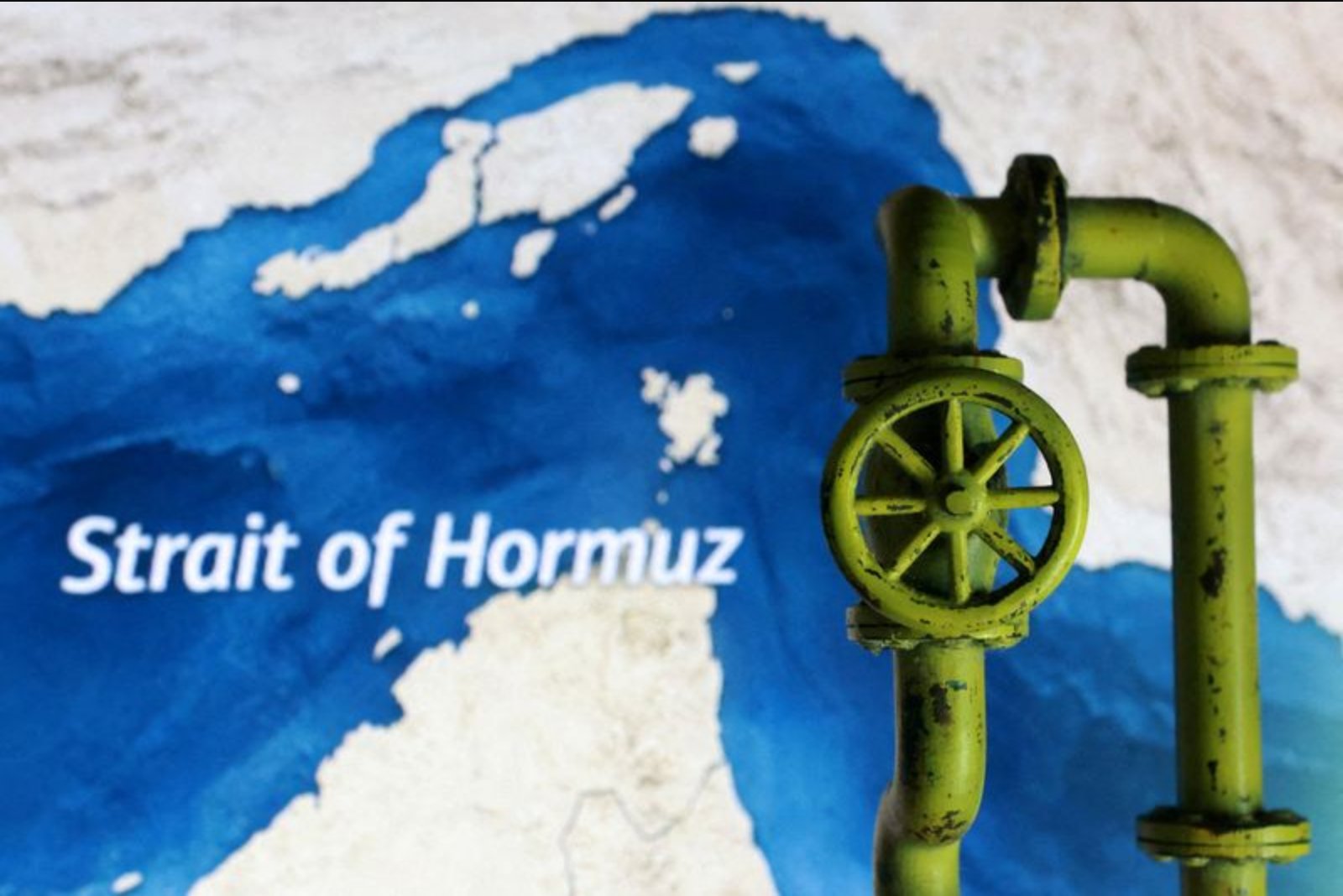
The U.N. Security Council is due to vote on Tuesday on a resolution focused on protecting commercial shipping in the Strait of Hormuz, but diplomats say the latest draft has been substantially narrowed after China objected to any explicit authorization of force.
Oil prices have risen sharply since attacks involving the U.S. and Israel and Iran at the end of February, a conflict that has continued for more than five weeks and has seen Tehran largely close the Strait, a critical route for global energy shipments.
Bahrain, which currently chairs the 15-member Council, has led repeated attempts to craft language that could win sufficient support despite opposition from China, Russia and other members. Multiple drafts were circulated as negotiators sought wording acceptable to a majority of Council members and, crucially, to the five permanent members whose vetoes can block adoption.
The most recent draft, reviewed by diplomats, omits any explicit authorization for the use of force. Instead, it "strongly encourages States interested in the use of commercial maritime routes in the Strait of Hormuz to coordinate efforts, defensive in nature, commensurate to the circumstances, to contribute to ensuring the safety and security of navigation across the Strait of Hormuz."
That formulation says contributions could include "the escort of merchant and commercial vessels," and it expressly supports measures "to deter attempts to close, obstruct or otherwise interfere with international navigation through the Strait of Hormuz."
Diplomats view the diluted language as improving the draft's prospects for passage, but they stressed the outcome remains uncertain. For the resolution to be adopted it requires at least nine votes in favor and no vetoes from any of the five permanent members - Britain, China, France, Russia and the United States.
Last Thursday Bahrain circulated an earlier draft that would have authorized "all defensive means necessary" to safeguard commercial shipping. Votes on that draft were postponed on Friday and Saturday, after Bahrain had already removed an explicit reference to binding enforcement in a prior revision.
China made its position clear last Thursday by opposing a text that would authorize force. Beijing said such authorization would be "legitimizing the unlawful and indiscriminate use of force, which would inevitably lead to further escalation of the situation and lead to serious consequences."
On the wider conflict, Iran stated on Monday that it seeks a lasting end to the war and resisted external pressure to reopen the Strait. Meanwhile, U.S. President Donald Trump warned that Iran could be "taken out" if it did not meet his deadline on Tuesday night to reach a deal.
Chinese Foreign Minister Wang Yi, after discussions with his Russian counterpart, said China remains willing to continue cooperating with Russia at the Security Council and to work toward calming tensions in the Middle East. Wang described a ceasefire as the fundamental means to address the situation in the Strait and urged that one be achieved as soon as possible.
China is the world's largest buyer of oil transported through the Strait of Hormuz, a fact underscoring why Beijing has been a central actor in the diplomatic negotiations surrounding any Council response.
Contextual note - The draft language in play shifts the emphasis from authorized enforcement to coordination of defensive measures and escorting of commercial vessels. Whether that compromise will secure the votes necessary and avoid vetoes by permanent members remains to be seen.