
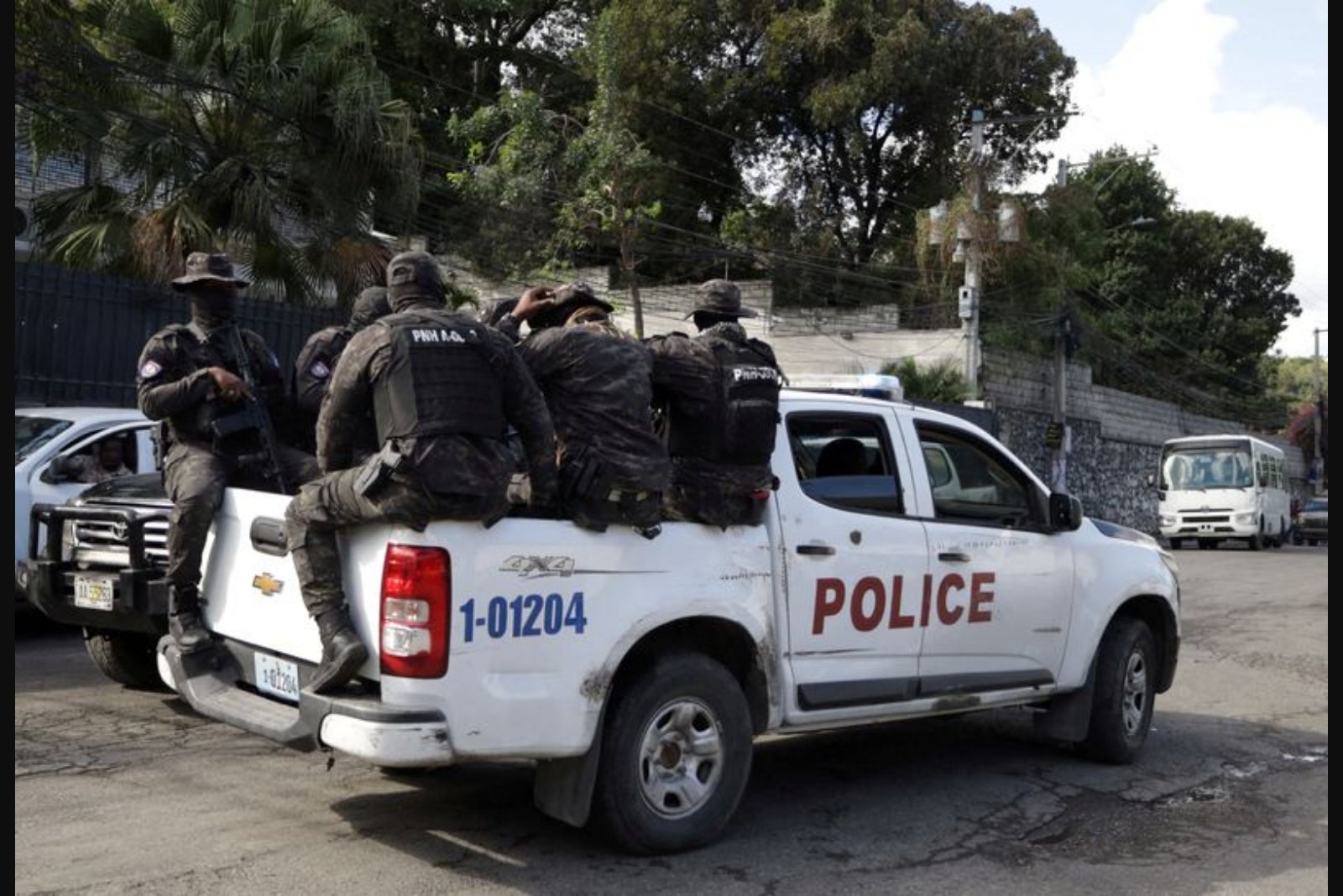
A recent report from the U.N. Office of the High Commissioner for Human Rights states that criminal gangs have expanded their influence to areas inhabited by about one in four Haitians, and that these groups continue to consolidate control across large parts of the country despite stepped-up policing.
The report documents human costs tied to a period of intensified security activity - specifically from January 2025 through March 2026, the timeframe when the government and private military contractor Vectus Global initiated anti-gang drone operations. Over that interval, at least 5,519 people were killed and 2,608 were injured.
It breaks down the origins of those casualties: more than 60% were suffered during anti-gang security operations; 27% were inflicted by gangs; 8% were caused by self-defense groups; 3% were attributed to police; and 1% resulted from summary executions carried out by local authorities.
The report highlights the particular vulnerability of children in the conflict. It records that 51 children were killed and 38 were injured in security operations, with many incidents described as the result of stray bullets and explosives striking people in their homes or on the street.
No formal investigations into the legality of the security operations appear to have been opened during the reported period, and the document notes an absence of accountability mechanisms to address the needs of victims.
Illicit arms trafficking also features prominently in the report's findings. Around 90% of killings attributed to gangs were the result of firearms illegally trafficked from neighboring countries, the report says.
Sexual violence was recorded at significant levels. The report documents 1,578 victims of rape, including 165 children, noting that such assaults occurred largely during gang rapes as well as in attacks on kidnapping victims and in cases where children were coerced into relationships.
On international security support, the report provides updated force numbers for the U.N.-backed security contingent: as of the end of 2025, that force counted 981 troops, which the report notes is well under half of its intended strength of 2,500. The Security Council voted in September to expand the force's remit, but the report says the additional deployments have not yet arrived.
"Gangs continue to use violence, including killings, injuries, kidnappings, human trafficking, rape and sexual exploitation, to exert their dominance over a population that is bleeding dry," the report states.
Regarding security operations with Vectus, it said: "Some, or even most, of these drone strikes and helicopter operations could be described as targeted killings ... whereas the sole objective of targeted law enforcement operations against individuals should be their arrest and detention."
The report closes with a call for greater accountability and for expanded measures to protect civilians, particularly minors, amid continuing violence and a shortfall in international forces on the ground.