
GENEVA, March 27 - The head of the U.N. human rights office called on Washington to bring to a close its inquiry into a deadly strike on a primary school in Iran, pressing for a clear public accounting at an emergency session of the U.N. Human Rights Council on Friday.
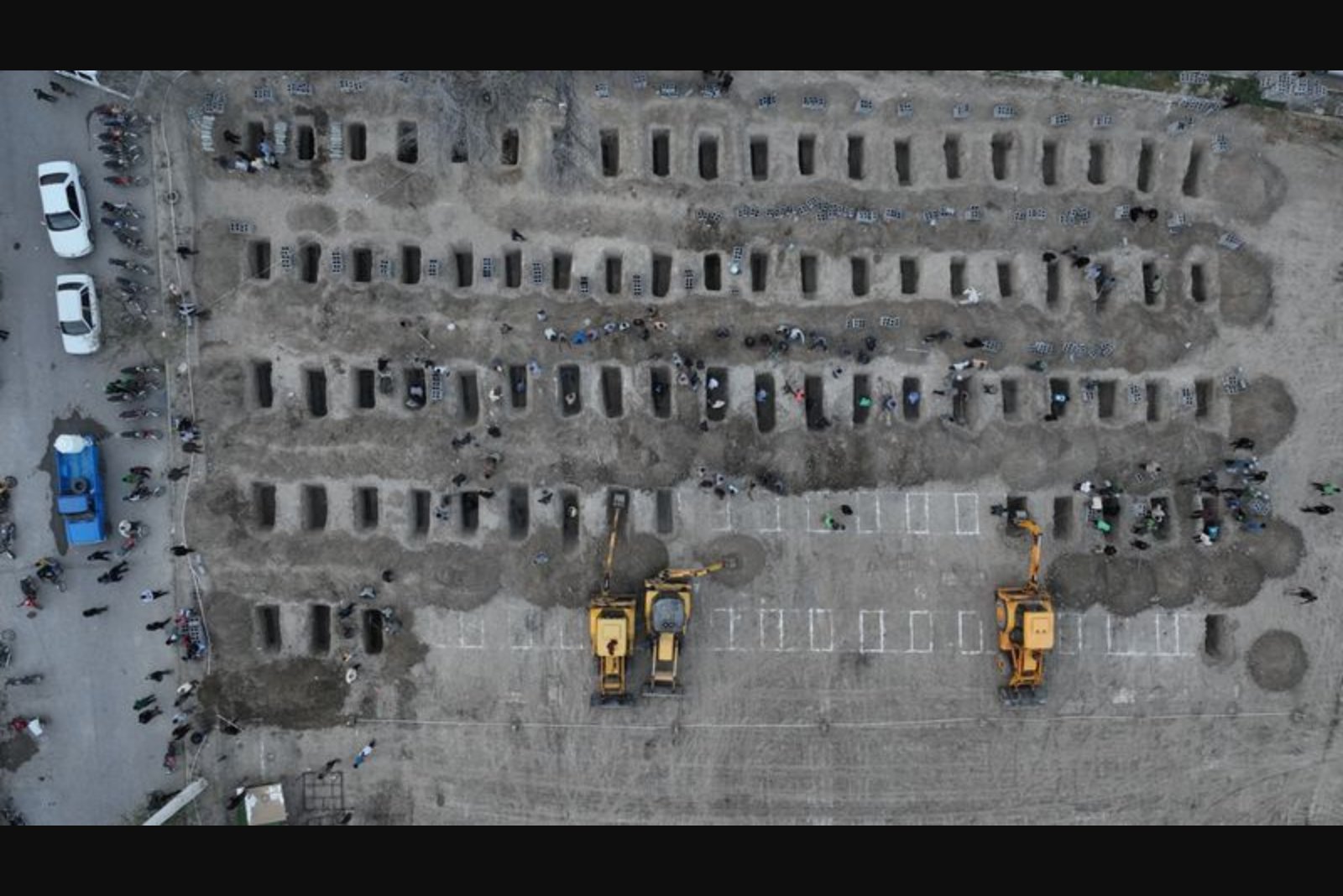
The debate, convened by Iran, focused on the attack on the Shajareh Tayyebeh School, which Tehran says resulted in the deaths of more than 175 children and teachers on the first day of the nearly month-long regional war that began with joint U.S.-Israeli strikes.
U.S. military investigators have not reached a final conclusion, though media reporting on March 5 indicated U.S. investigators believed it was likely that U.S. forces were responsible. That inquiry has since been elevated within the Pentagon. Israel has said it is also conducting a separate investigation.
Volker Turk, the U.N. human rights chief, said the United States should finish its probe without delay and make the findings public. Speaking by video link after meetings with U.S. officials in Washington this week, he stressed the need for accountability.
"There must be justice for the terrible harm done," he said.
At the Geneva session, reactions from member states illustrated starkly different perspectives.
Israel’s diplomatic mission to the U.N. in Geneva criticized Iran for attacks on civilians across the region and condemned the council session itself. A spokesperson for the mission described convening the debate as "a charade and an abuse of the UN Human Rights Council."
The U.S. mission in Geneva referred questions about the incident and the status of investigations to the State Department, which did not immediately respond to requests for comment.
Notably, both the United States and Israel were not physically present in the chamber. Their seats were empty, reflecting their disengagement from the body amid allegations that the council is biased against Israel.
Iran’s top diplomat at the session, Foreign Minister Abbas Araqchi, addressed delegates by video link and condemned the attack.
"This atrocity cannot be justified, cannot be concealed, and must not be met with silence and indifference," he said.
Several other delegations voiced shock and sorrow. Pakistan’s ambassador to the U.N. in Geneva, Bilal Ahmad, called the deaths of schoolchildren unconscionable. China’s ambassador, Jia Guide, said he was deeply shocked and described the incident as a breach of fundamental human morality and a flagrant violation of international humanitarian law.
Other countries, including Britain, said they were appalled by the attack, while also drawing attention to concerns about Iran’s own human rights record during mass protests in January.
Delegations also recalled Iran’s retaliatory strikes since the conflict began on February 28, citing attacks directed at Israel, U.S. bases and states in the Gulf. Those strikes had been the subject of earlier discussions at the council this week.
Brazil’s ambassador, Tovar da Silva Nunes, expressed regret that the council had not held a comprehensive debate covering violations across the region, echoing rights groups’ calls that the response to incidents has been selective.
The council also heard an emotional appeal from a bereaved mother, Mohaddeseh Fallahat, who urged the international community to pursue justice so that the deaths of children would not be treated as if their lives were worthless.
The session in Geneva underscored the unresolved questions surrounding the Shajareh Tayyebeh School strike, the differing stances between member states, and the calls for transparency and accountability from U.N. officials and affected families.