
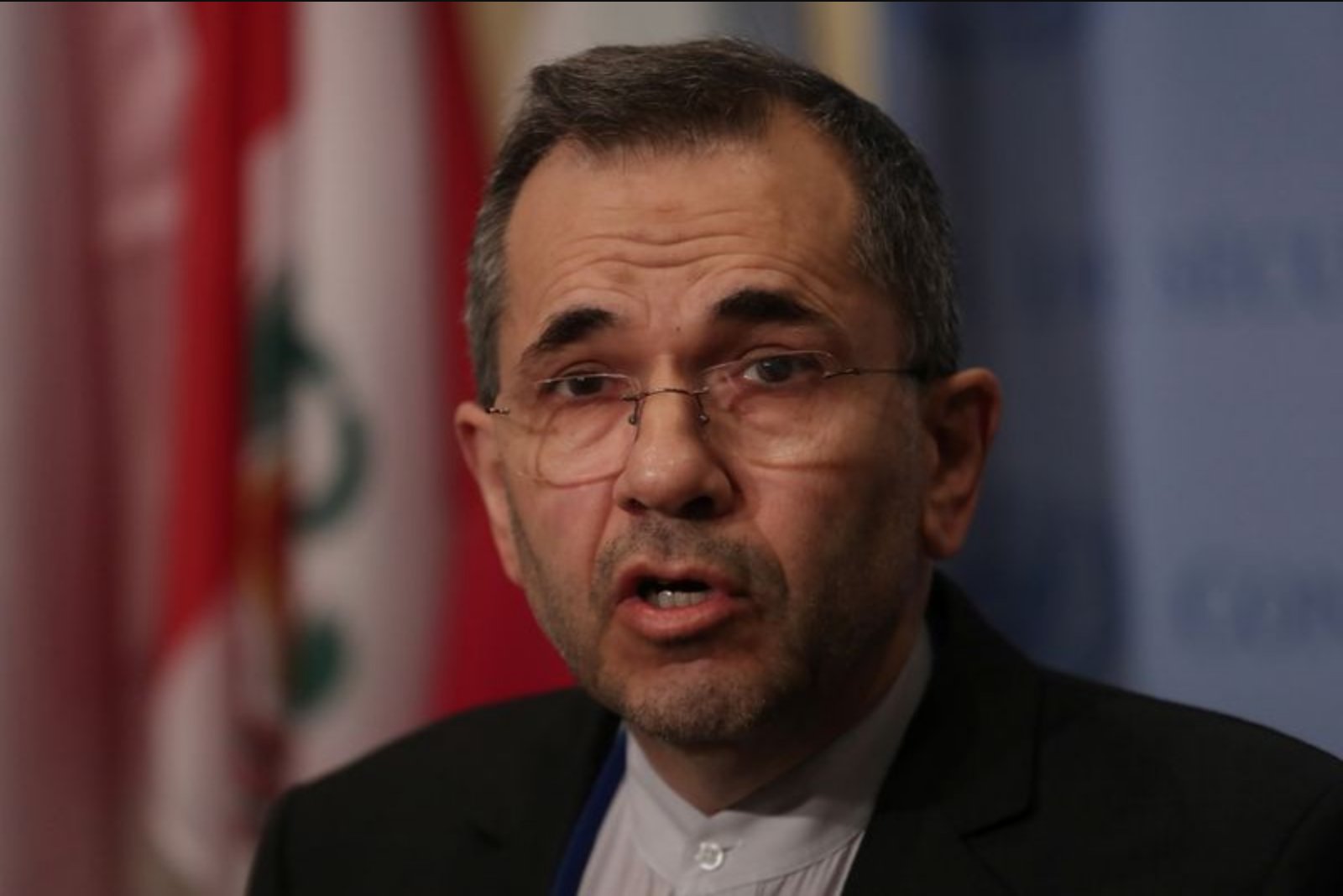
Jean Arnault, the personal envoy of U.N. Secretary-General Antonio Guterres, met with Iran's Deputy Foreign Minister Majid Takht-Ravanchi in Tehran on Thursday as part of a U.N. initiative to help end the Iran war, the United Nations said.
During his visit to the Iranian capital, Arnault held talks with representatives of the Iranian Red Crescent and inspected civilian sites damaged in recent air strikes. U.N. spokesperson Stephane Dujarric, speaking at a regular briefing in New York, said the sites visited included a university and an apartment block that had been destroyed.
Dujarric said Arnault "heard views on the way forward and reiterated the secretary-general's firm commitment to making every possible effort to support a peaceful settlement of this conflict." The spokesperson described the envoy's meeting with the deputy minister as "substantive," and added that Arnault hopes to continue consultations.
The U.N. confirmed that Arnault will continue a wider regional tour, with several additional visits in the Middle East intended to bolster ongoing efforts toward "a comprehensive and durable resolution to this conflict," Dujarric said. The United Nations also indicated that Arnault was expected in coming days to visit Pakistan, which the U.N. said facilitated the ceasefire between the United States and Iran and has been preparing for a first round of U.S.-Iran talks.
On the status of the envoy's plans, Dujarric cautioned that Arnault's travel schedule was currently "a moving target," while noting that the envoy has been exploring the constructive role the United Nations could play in advancing peace. "We expect him to stay a little bit longer in Tehran, but obviously, things shift quite quickly," Dujarric added.
Context and next steps
The United Nations framed Arnault's mission as part of a broader push to support diplomatic channels that could lead to negotiations and a lasting settlement. The U.N. reiterated the envoy's intention to continue consultations both in Tehran and elsewhere in the region as he seeks to identify possible contributions the world body might make to peace efforts.
On-the-ground observations
Arnault's visits to damaged civilian infrastructure, including an educational institution and a residential building, underline the humanitarian dimensions of the conflict that the U.N. mission is addressing through its outreach and consultations.