
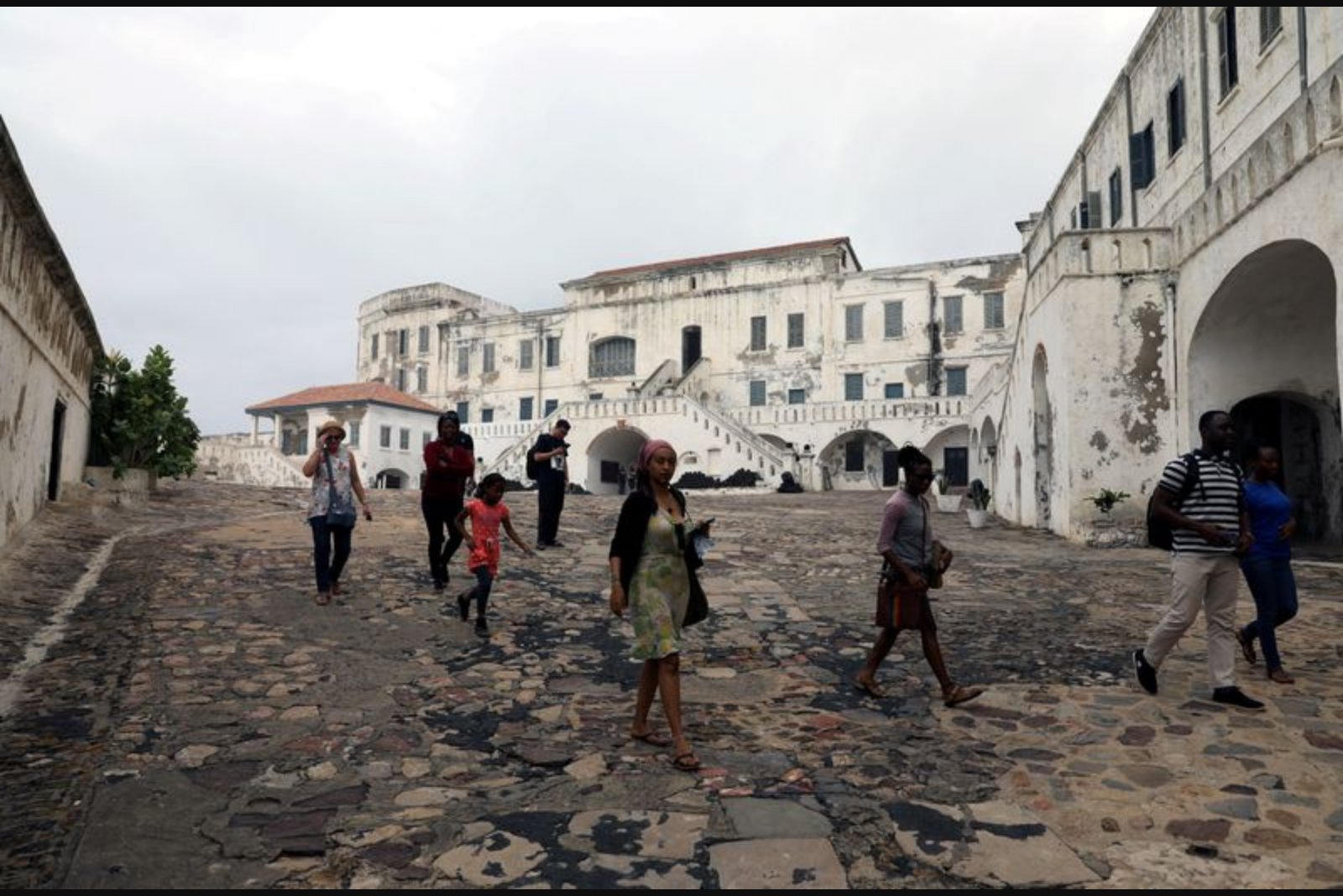
March 25 - The U.N. General Assembly has adopted a resolution put forward by Ghana that recognises transatlantic slavery as the "gravest crime against humanity" and calls for a process of reparations, despite resistance from several Western countries.
The resolution, which is not legally binding but carries political weight, secured 123 votes in favour. Three countries voted against it, including the United States and Israel, while 52 member states abstained, among them the European Union as a bloc and Britain. Ghana framed the measure as a response to persistent consequences of slavery, citing the forced removal and sale of at least 12.5 million Africans between the 15th and 19th centuries and ongoing racial disparities.
Ghana’s foreign minister, Samuel Ablakwa, described the resolution as a demand for accountability and signalled that it could establish steps toward a broader reparative approach. Ablakwa said the resolution could pave the way for a "reparative framework." He also warned that historical wrongs do not vanish with time, stating: "History does not disappear when ignored, truth does not weaken when delayed, crime does not rot... and justice does not expire with time."
Supporters and legal scholars marked the vote as a milestone in U.N. recognition of the transatlantic slave trade's severity. Justin Hansford, a law professor at Howard University, called the adoption significant, saying it represented the farthest the United Nations has gone in naming the transatlantic slave trade as a crime against humanity and in pressing for reparations. "This marks the first vote on the floor of the U.N.," Hansford said. "I cannot overemphasise how large of a step that is."
U.N. Secretary-General Antonio Guterres weighed in on the broader imperative, urging the General Assembly to take "far bolder action" to address historical injustices.
What the resolution calls for
The text encourages U.N. member states to engage in dialogue on reparations. It explicitly mentions a range of measures that could form part of such discussions, including:
- issuing formal apologies;
- returning stolen artefacts;
- providing financial compensation; and
- ensuring guarantees of non-repetition.
The resolution follows broader continental initiatives. The African Union, the previous year, set out to develop a "unified vision" among its 55 member states on what reparations may entail, and African and Caribbean nations have been seeking a special U.N. reparations tribunal.
Opposition, abstentions and legal concerns
Not all delegations supported the measure. The United States and Israel were among three nations that opposed the resolution, while 52 countries, including the European Union and Britain, abstained. Officials from the U.S. and EU raised legal and conceptual objections.
The U.S. representative, Dan Negrea, said his delegation objected to what he described as the "cynical usage of historical wrongs as a leverage point ... to reallocate modern resources to people and nations who are distantly related to the historical victims."
EU representative Gabriella Michaelidou said the bloc would have backed a text that emphasised the "scale of the atrocity" but expressed "legal and factual" concerns, among them the risk of retroactively applying international law.
Some commentators and leaders in Western capitals have opposed formal talks on reparations, arguing that contemporary states and institutions should not be held accountable for centuries-old crimes committed under different political orders.
Historical context and differing perspectives
Supporters of the resolution point to the long duration and vast human toll of the transatlantic slave trade. The movement of at least 12.5 million Africans into slavery between the 15th and 19th centuries, and the deaths inflicted during the Middle Passage, were cited as reasons the trade should be recognised among the gravest crimes in human history.
Speaking from Badagry, a Nigerian coastal town once central to the slave trade, historian Babatunde Mesewaku was quoted as saying that in his view the transatlantic slave trade was the gravest crime against humanity given its more than 500 years of impact, the millions taken and the resulting destruction and stagnation affecting Africa and beyond.
Domestic and diplomatic implications
The vote adds momentum to Africa’s push for accountability from former colonial powers, but the initiative has also attracted criticism. Ghana has faced scrutiny for advancing a campaign for justice for historical wrongs internationally while concurrently advocating for stricter anti-LGBT laws domestically.
As delegations weigh the political and legal implications of the U.N. vote, advocates in African and Caribbean states continue to press for mechanisms - including an envisaged reparations tribunal - that would define forms of redress and accountability. Ablakwa characterised the resolution as an opening move toward such processes, while acknowledging that debates over legal applicability and the political readiness of various states remain unresolved.
The resolution's adoption thus represents a politically significant step at the U.N., even as practical questions about implementation, legal authority and international consensus persist.