
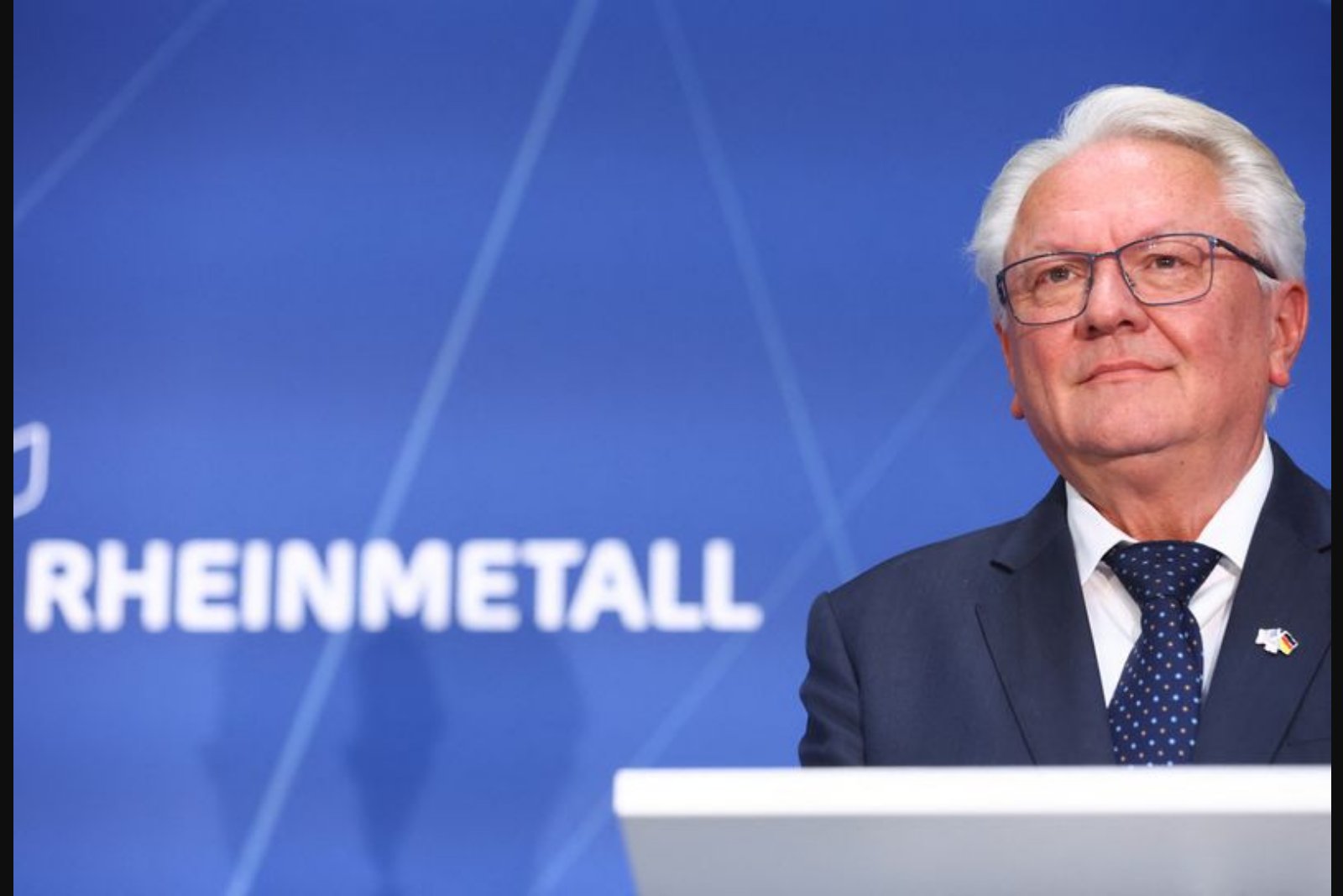
KYIV, March 30 - Comments by Armin Papperger, chief executive of German defence firm Rheinmetall, dismissing Ukrainian drone ingenuity as rudimentary "kitchen" technology assembled by "housewives" have drawn sharp criticism from Ukrainian leaders and the public.
In an article published on Friday in The Atlantic, Papperger minimized the technical contribution of locally made drones, saying: "It's Ukrainian housewives. They have 3-D printers in the kitchen, and they produce parts for drones. This is not innovation." He added that Rheinmetall will continue to produce heavy weaponry, including tanks and artillery, despite the growing use on the battlefield of inexpensive drones capable of destroying such systems.
For Ukraine, drones are a tactical and symbolic element of its defence. Since the first days of Russia's February 2022 invasion, Kyiv has leaned on rapid, often improvised domestic innovation to counter a larger, better-armed opponent. That makes the remarks particularly sensitive, and they triggered a range of responses from civic and political figures.
President Volodymyr Zelenskiy responded directly, using a WhatsApp chat with reporters to mock the logic of the comment: "If every housewife in Ukraine can really make drones, then every housewife in Ukraine can be the CEO of Rheinmetall." The response framed the domestic drone effort as a point of national pride and pushed back on Papperger's attempt to downplay it.
Online, the hashtag #MadeByHousewives gathered support from Ukrainians and international backers. Posts under the tag included images portraying Ukrainian women in traditional dress building or holding drones in village settings, celebrating the grassroots creativity that has contributed to Kyiv's defence efforts.
Ukrainian officials added their voices. On the social platform X, presidential adviser Oleksandr Kamyshin credited Ukrainian drones — the same category Papperger disparaged — with having destroyed more than 11,000 Russian tanks. The figure was presented as an illustration of the operational impact Kyiv attributes to its unmanned systems.
Rheinmetall, which has established a joint venture with Ukraine, issued a statement on Sunday stressing the company's "utmost respect for the Ukrainian people's immense efforts in defending themselves." The firm said: "The innovative strength and the fighting spirit of the Ukrainian people are an inspiration to us." The company thus sought to distance its corporate stance from the tone of Papperger's remarks while reaffirming its own defence manufacturing priorities.
Shortly after Rheinmetall's statement, Ukrainian Prime Minister Yulia Svyrydenko posted on X that Ukraine's experience offers lessons that others could learn from, and she highlighted the role of women. "They have stepped with courage into many areas once seen as male-dominated, bringing energy, discipline, and determination," she wrote, singling out women for recognition.
The episode underscores a tension between traditional defence manufacturers that focus on large-scale, conventional systems and the asymmetric, often improvised technologies that have become visible in Ukraine's conflict. Papperger's comments and the subsequent backlash illustrate how perceptions of innovation, national pride and the evolving battlefield role of drones have become intertwined.
Context limitations: Reporting here is limited to the statements and reactions included above. No new claims or additional figures beyond those cited have been introduced.