
In a statement issued on Friday, British junior minister Stephen Kinnock criticized remarks made by U.S. President Donald Trump regarding the role of NATO troops in Afghanistan. Trump, during a Fox News interview on Thursday, questioned the necessity of NATO for the United States and claimed that allied forces remained largely away from the conflict’s frontline. Kinnock countered these assertions by stressing the substantial loss of life experienced by European NATO members, including the United Kingdom, in support of American-led operations in both Afghanistan and Iraq.
"Numerous British service members, alongside many from other European NATO partners, sacrificed their lives in coalition efforts," Kinnock told Sky News, underscoring the importance of acknowledging these sacrifices. He added, "Critiquing what our armed forces have accomplished and the sacrifices they make is unequivocally incorrect."
Throughout its 20-year engagement in Afghanistan, Britain lost 457 military personnel. Similarly, Canada and France suffered fatalities exceeding 150 and 90, respectively. Denmark, which has faced presidential pressure related to Greenland, recorded 44 deaths, marking one of the highest per capita death tolls among NATO nations.
Kinnock also highlighted that the United States remains the sole NATO member to have activated Article 5 of the alliance's collective defense commitment, which responds to attacks on a member with collective action from the allies. This action followed the September 11, 2001 terrorist attacks, prompting international support for the U.S.
The minister described NATO as "the most accomplished international security agreement in history," emphasizing the vital collaborative roles played by the U.S. and its European allies, including the United Kingdom.
Additional British political figures have responded by pointing to President Trump’s history with military service. Ed Davey, leader of the British Liberal Democrats, referenced Trump’s multiple deferments from the Vietnam War draft, stating, "Trump avoided military service 5 times. How dare he question their sacrifice."
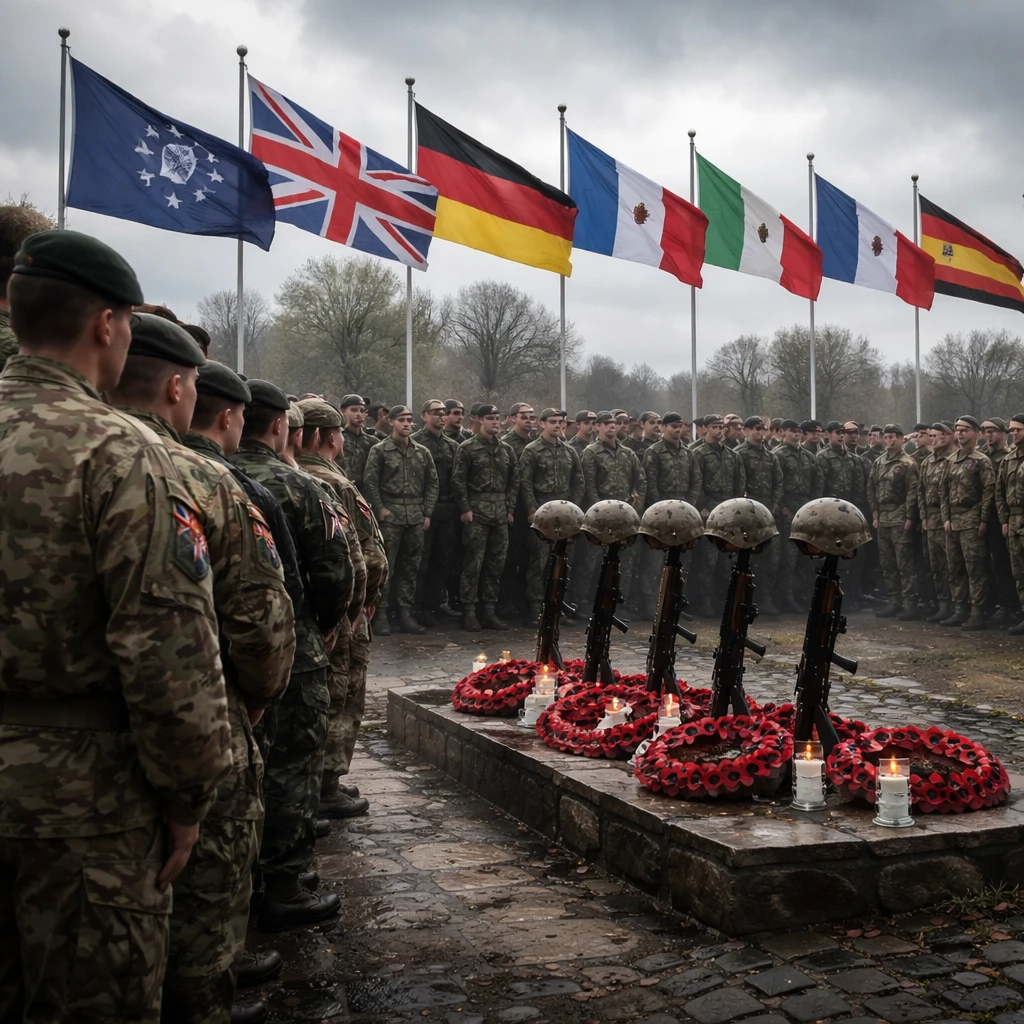
A British junior minister expressed strong disappointment over comments made by U.S. President Donald Trump, who suggested that NATO forces did not participate directly on the frontline in Afghanistan. The minister emphasized the significant casualties sustained by European NATO members supporting American-led missions and defended the alliance's historical and ongoing value.
Key Points
- British junior minister Stephen Kinnock refuted U.S. President Trump's claims that NATO troops stayed away from frontline combat in Afghanistan, emphasizing significant European military sacrifices.
- The United Kingdom suffered 457 military casualties during its two-decade deployment in Afghanistan, while other NATO countries like Canada, France, and Denmark also endured notable losses.
- The U.S. remains the only NATO member to have invoked the alliance’s Article 5 collective defense clause in response to the 9/11 attacks, underscoring the alliance’s importance in global security architecture.
Risks
- Negative diplomatic repercussions between the U.S. and European NATO members stemming from disparaging comments about allied military contributions could strain coalition cooperation and defense strategies.
- Potential undermining of public and political support for NATO operations by controversial statements may weaken alliance unity and operational effectiveness.
- Political tensions influenced by personal histories and military service debates could distract from strategic defense goals and international collaboration.