
The United Arab Emirates has publicly pressed Iran and the United States to reach a diplomatic settlement over their long-running dispute when delegations meet this week in Turkey, warning that the Middle East cannot sustain another war. The call came as U.S. and Iranian envoys prepare to convene in Istanbul on Friday to discuss Iran's nuclear programme.
Speaking at the World Governments Summit in Dubai, Anwar Gargash, an adviser to the UAE president, said the region has endured multiple severe confrontations and does not need a further escalation. "I don’t think we need another one, but I would like to see direct Iranian-American negotiations leading to understandings so that we don’t have these issues every other day," he told a panel.
Gargash urged Tehran to rebuild ties with Washington and pursue a more comprehensive geopolitical settlement that could help repair an economy that has been damaged by U.S. sanctions. The appeal from the UAE, a prominent Gulf Arab state and close U.S. partner, comes as tensions have risen with mutual warnings of action and visible U.S. military deployments.
U.S. President Donald Trump has warned that with a large U.S. naval presence moving toward Iran, "bad things" could occur if negotiators fail to reach an agreement. The U.S. naval buildup follows a violent crackdown on anti-government demonstrations in Iran last month. While Trump stopped short of immediate intervention at the time of the protests, he has since demanded concessions from Tehran on nuclear and other issues, and ordered a flotilla to the Iranian coast.
Satellite imagery of two sites previously targeted in Iran - Isfahan and Natanz - appears to show new roofing placed over structures that had been destroyed, according to imagery provided by Planet Labs and reviewed by Reuters. Aside from the new roofing, the imagery showed no other evident rebuilding of the sites. Iran has said its uranium enrichment work, which Tehran asserts is peaceful, has ceased since those strikes.
The scheduled meeting in Istanbul will bring together U.S. Special Envoy Steve Witkoff and Iranian Foreign Minister Abbas Araqchi in an attempt to revive diplomacy on Iran's nuclear activities and to quell mounting concerns about a wider regional conflict. A regional diplomat said that representatives of other countries, including Saudi Arabia and Egypt, would also take part.
According to a regional official, the primary aim of the Istanbul discussions is to avoid armed conflict and to reduce tensions between Washington and Tehran. That official, speaking on condition of anonymity, added that some invited participants at the foreign ministers' level include Pakistan, Saudi Arabia, Qatar, Egypt, Oman and the United Arab Emirates.
Gulf Arab states have voiced anxiety that Iran might follow through on threats to target U.S. bases located on their soil should Washington attack the Islamic Republic again. In June, the United States struck Iranian nuclear targets, acting at the end of what was described as a 12-day Israeli bombing campaign. Since then, Tehran has said it halted its uranium enrichment activities.
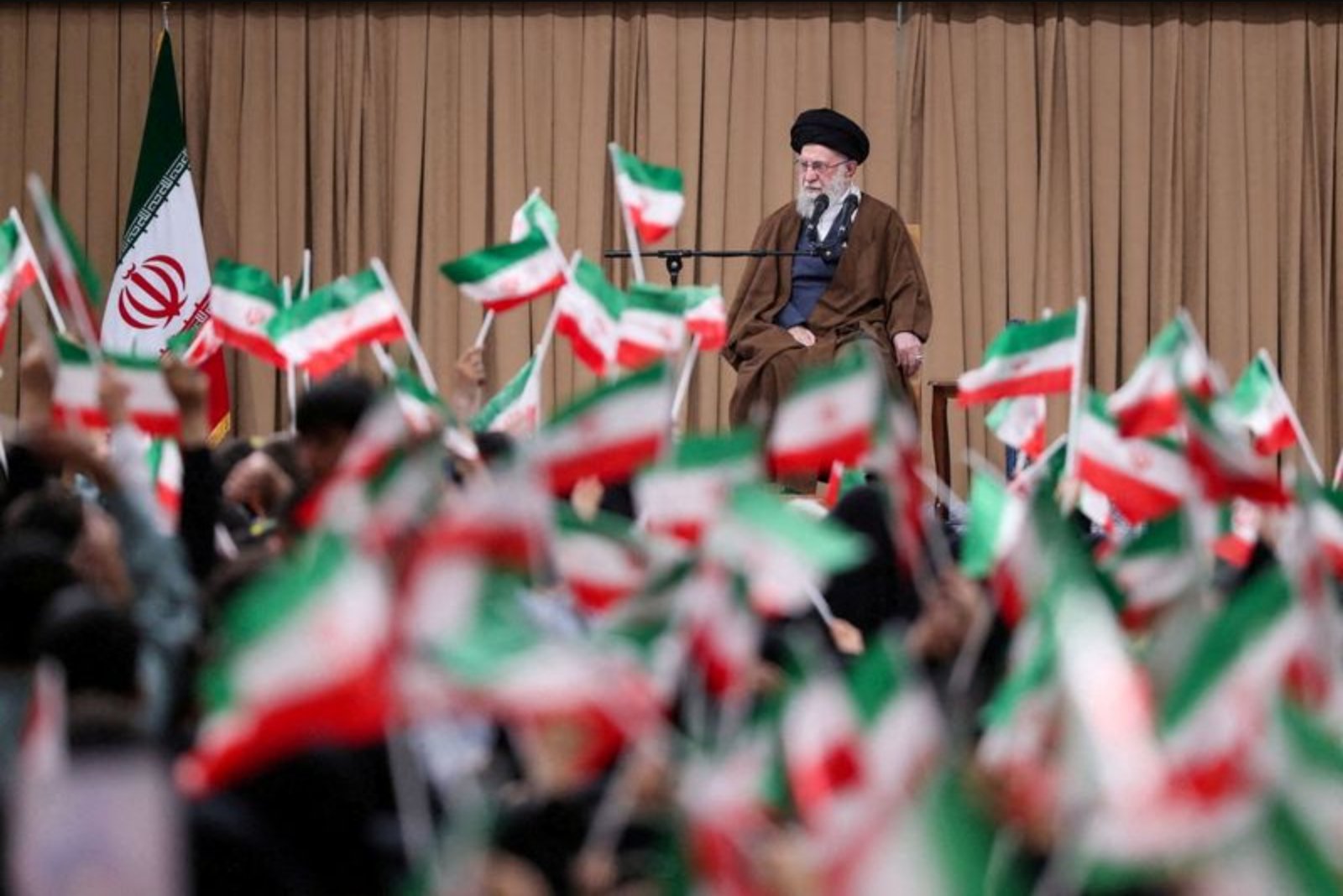
Domestic political considerations in Iran are also weighing on the calculus of its leaders. Six current and former officials said Iran's leadership fears a U.S. strike could undermine its hold on power by provoking greater public unrest. In high-level briefings, officials told Supreme Leader Ayatollah Ali Khamenei that anger over the recent crackdown - described by some officials as the bloodiest since the 1979 Islamic Revolution - has reached levels where fear is no longer an effective deterrent, four current officials who were briefed on those discussions said.
Diplomacy remains constrained by hard demands set out by the United States for a resumption of talks. Iranian sources reported that President Trump had required three conditions: that Iran cease uranium enrichment entirely, impose limits on Tehran's ballistic missile programme, and end support for regional proxy groups. Iran has long rejected these demands as infringements on its sovereignty, although two Iranian officials indicated that Tehran's clerical leadership viewed limits on the missile programme as a larger sticking point than uranium enrichment.
One Iranian official said: "Diplomacy is ongoing. For talks to resume, Iran says there should not be preconditions and that it is ready to show flexibility on uranium enrichment, including handing over 400 kg of highly enriched uranium (HEU), accepting zero enrichment under a consortium arrangement as a solution."
Tehran's influence across the region has been strained by a combination of military pressure and political setbacks. The article's source material cites Israeli strikes on proxies ranging from Hamas in Gaza to Hezbollah in Lebanon, the Houthis in Yemen and militias in Iraq, as well as the removal of Iran's close ally, former Syrian President Bashar al-Assad, as factors that have weakened Iran's regional sway.
For the near term, the focus of the international and regional delegations gathering in Istanbul is to channel the mounting tensions into a diplomatic track that can reduce the likelihood of military action. The UAE's public appeal for direct talks underscores a broader regional interest in preventing further violent confrontation and in seeking mechanisms by which disputes can be managed before they spill over into open conflict.
Key participants and dynamics to monitor as the talks proceed include the willingness of both sides to forego preconditions, how Tehran interprets proposals on uranium enrichment and ballistic missiles, and the degree to which invited regional states engage constructively to defuse immediate risks of escalation.