
Summary
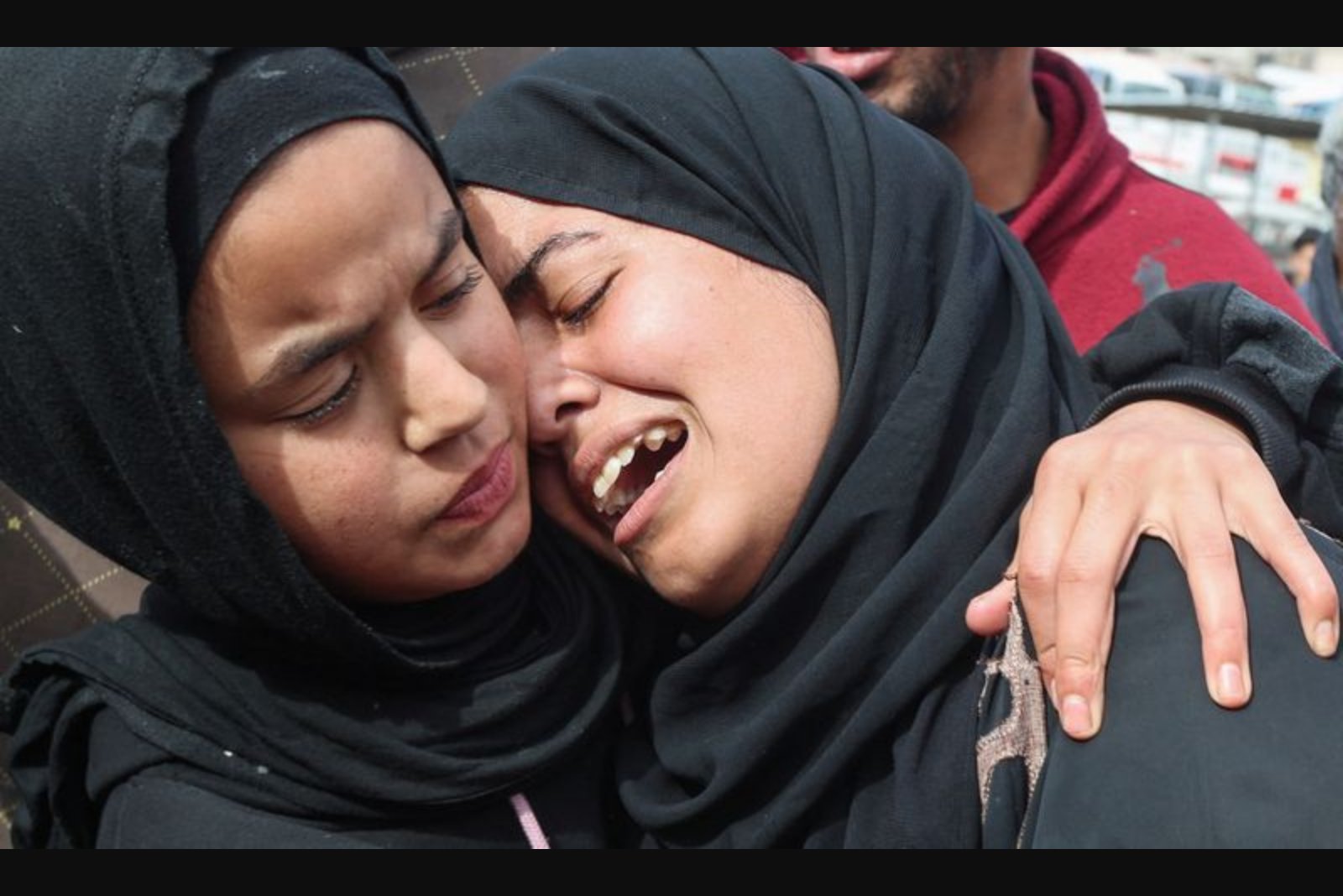
At least two Palestinians were killed by Israeli fire in the Gaza Strip, health officials and medics reported, in the latest incident of violence as Hamas and Israel readied themselves to implement phase two of a U.S.-brokered ceasefire agreement. The deaths occurred in eastern Khan Younis in an area described by medics as adjacent to where the army operates. The Israeli military had no immediate comment on the reports.
Details of the incident
Medics on the ground said two men died after being struck by Israeli forces in eastern Khan Younis. The Gaza health ministry has provided a broader tally for the period since the truce began in October, saying Israeli fire has killed at least 490 people across the enclave during that time.
Israeli authorities have reported losses of their own, saying that four soldiers were killed by militants in Gaza over the same period. Both sides have exchanged accusations regarding violations of the ceasefire, heightening tensions as the agreement moves forward.
Transition to phase two
With the truce set to advance to its second stage, the United States and its mediator partners face a more difficult set of issues. Central among them is the question of Hamas disarmament - a demand the group has repeatedly rejected. The plan for phase two also envisions the deployment of an international peacekeeping force, a proposal that adds another layer of complexity to implementation.
The coming phase will require negotiators to confront these contested elements directly. The record of incidents and mutual accusations since the truce began underscores the fragility of the ceasefire and the challenges ahead for mediators seeking durable arrangements.
Key takeaways
- Two Palestinians were reported killed by Israeli fire in eastern Khan Younis; the Israeli military did not immediately comment.
- The Gaza health ministry reports at least 490 Palestinians killed by Israeli fire since the truce began in October; Israel reports four soldiers killed by militants in the same period.
- Phase two of the U.S.-brokered ceasefire raises the contentious issue of Hamas disarmament and proposes deployment of an international peacekeeping force.
Implications and context
The ongoing incidents and contested claims of violations threaten the stability of the current truce and will influence how mediators proceed with the next phase. The focus on disarmament and international peacekeepers highlights the diplomatic and operational hurdles that must be addressed to prevent further escalation.
Risks and uncertainties
- Renewed or escalatory violence could undermine the truce - posing risks to civilians and soldiers in Gaza and affecting regional stability.
- Disagreements over Hamas disarmament could delay or derail phase two implementation, complicating efforts to establish a lasting cessation of hostilities.
- Failures to secure consensus on the proposed international peacekeeping deployment could leave critical security gaps and prolong uncertainty.
The situation remains fluid, with mediator teams preparing to tackle the most sensitive issues in the coming phase while both parties continue to trade blame over violations.