
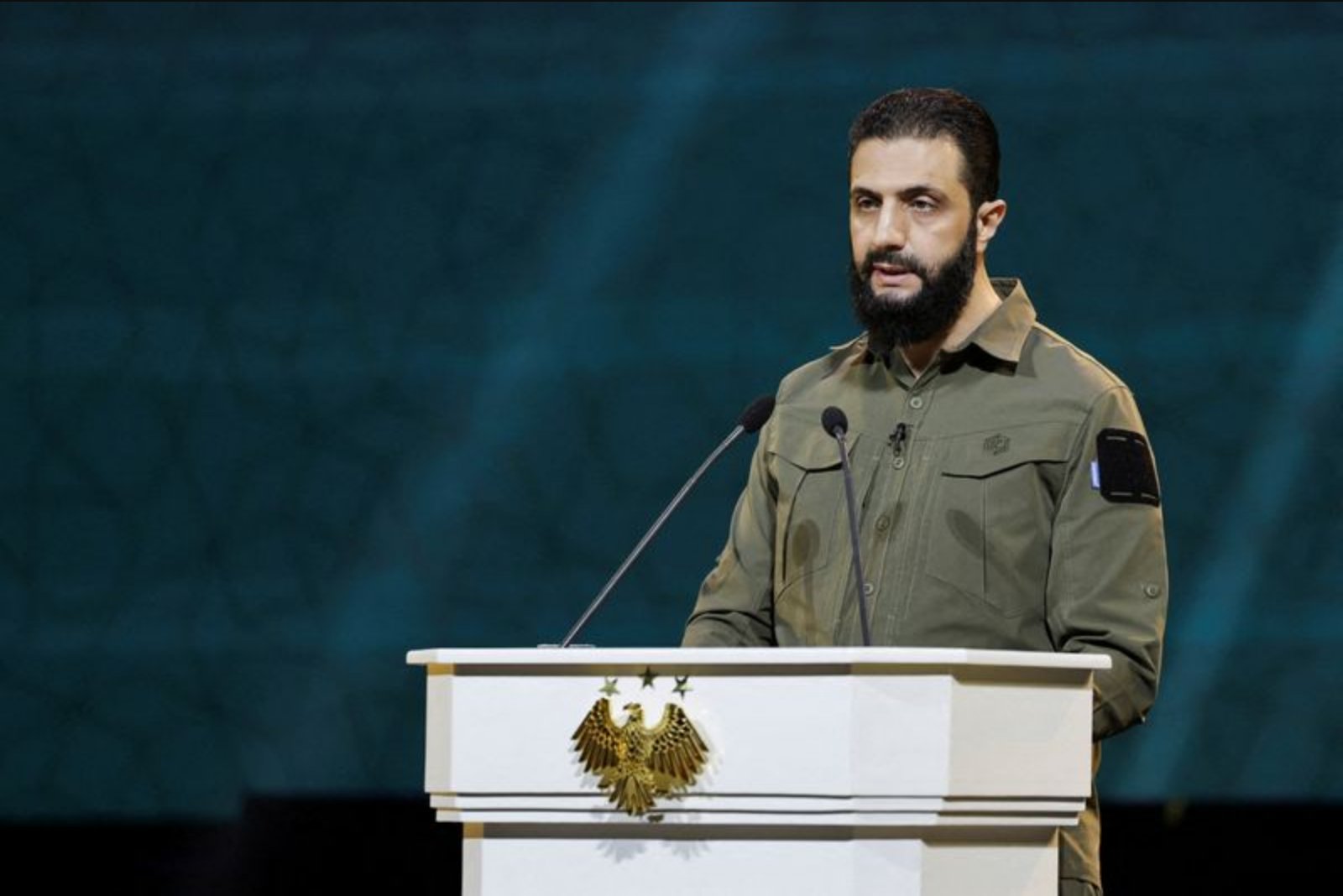
Turkey’s intelligence service asked Britain’s Secret Intelligence Service, commonly known as MI6, last month to assume a larger role in protecting Syria’s newly installed president Ahmed al-Sharaa, according to five people familiar with the discussions. The request follows what sources described as a series of assassination plots and comes as foreign partners try to buttress a country still vulnerable to sporadic violence.
Those who support Sharaa view him as a pivotal figure in preventing a return to sectarian conflict or full-scale civil war after more than a decade of fighting that produced mass displacement and allowed Islamic State to gain territory across Syria. Sources say Islamic State has escalated attacks in recent weeks against Syrian military and security personnel and has publicly labeled Sharaa, a onetime rebel leader, its "number one foe".
It remains unclear exactly what MIT asked MI6 to provide, and whether MI6 accepted any new responsibilities in Damascus. Officials and sources who spoke about the matter requested anonymity because of the sensitivity of the issue. Turkish, British and Syrian official channels did not respond to requests for comment on the specifics of the appeal.
Anxiety and international backing
Turkey, Britain and the United States provided backing for Sharaa last year in initiatives aimed at reuniting and rebuilding Syria, which has an estimated population of 26 million. As part of that support, London and Washington have removed most sanctions that had applied to Syria and to Hayat Tahrir al-Sham, the Islamist group Sharaa once led. Sources said rising concern over reported Islamic State plots to kill Sharaa prompted Ankara to seek broader Western involvement in his protection.
A Turkish source said MIT, which has been active in helping the new government consolidate, made the appeal following a reported incident last month. A senior Syrian security source described the request as coming after a "high-risk assassination plot", adding that MIT, MI6 and Syrian authorities routinely shared intelligence. Details of the alleged plot were not provided and remain unclear.
Intelligence coordination and potential Western presence
One Western intelligence source briefed on the issue said Turkey was hoping to introduce a Western presence in Damascus that could serve as a buffer between Turkish and Israeli agencies, which the source described as being at odds. That source added that intensified joint planning and technical cooperation between MIT and MI6 were possible, but that no final decision had been taken about deploying British personnel to the Syrian capital.
Some Syrian security officials cautioned that a physical British presence in Damascus would be "highly risky". MI6 and its potential role were discussed at a Damascus meeting on February 26 between a delegation led by Britain’s special envoy for Syria, Ann Snow, and Syria’s deputy interior minister, Major General Abdulqader Tahan, according to a Syrian security source.
Reported assassination attempts and foiled attacks
Last year, Sharaa and two senior cabinet ministers were the targets of multiple foiled assassination attempts attributed to Islamic State, with five plots described by the U.N. Office of Counter-Terrorism as having been thwarted. Syrian authorities reported in November that two of those attempts had been foiled.
Islamic State, which has framed Sharaa as a central adversary and characterized him as a "watchdog" of the global anti-Islamic State coalition, announced last month that it had entered a "new phase" and carried out six attacks on Syrian authorities. Damascus acknowledged for the first time on Thursday that it worked with MIT to foil an Islamic State attack in the capital.
Turkish security sources said MIT identified a three-person cell preparing remote bomb attacks, enabling Syrian counterparts to intervene and prevent what they described as an "imminent assault". A U.S. diplomat briefed on the matter said it was the resurgence of Islamic State activity that had prompted MIT to seek greater British involvement.
The Western intelligence source indicated that the two agencies could expand cooperative planning and technical operations, but reiterated that no determination had been made about sending British personnel into Damascus.
Background on Ahmed al-Sharaa
Sharaa was previously a commander in Al Qaeda’s Nusra Front before severing ties with the group in 2016. In late 2024 he led a coalition of Islamist rebel factions that succeeded in toppling President Bashar al-Assad. The rapid political changes since then have prompted a flurry of diplomatic and security activity by international partners aiming to stabilize Syria and lay groundwork for reconstruction and governance.
Questions remain about how any expanded Western intelligence role would be implemented, and whether such a presence in Damascus could be established without raising additional security or diplomatic complications. Officials and intelligence sources involved in the discussions emphasized continuing information-sharing among MIT, MI6 and Syrian authorities while noting that key decisions were still pending.