
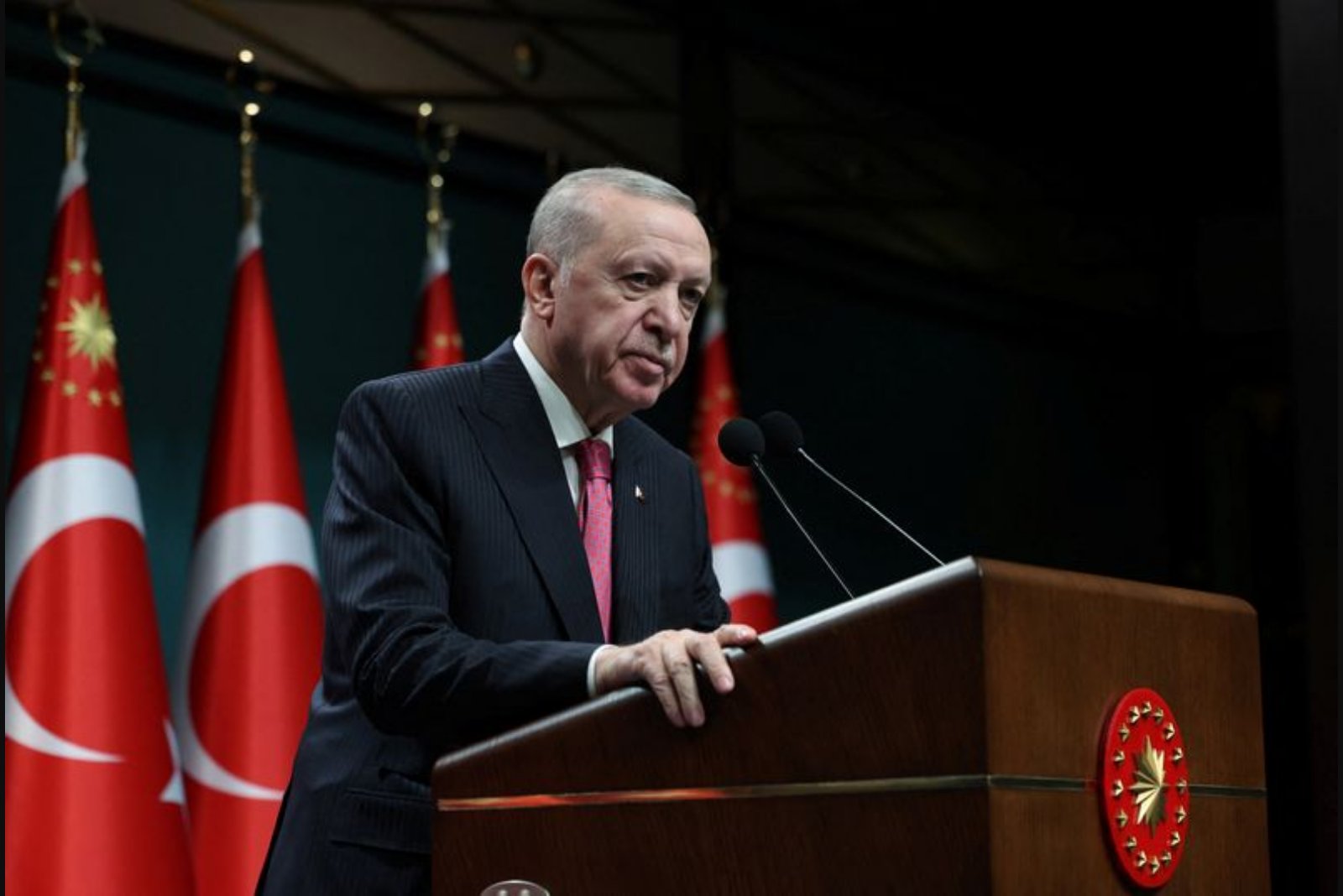
Turkish officials are serving as intermediaries between Iran and the United States, delivering communications intended to promote de-escalation and encourage direct negotiations, a senior member of President Tayyip Erdogan’s ruling party said on Wednesday.
Harun Armagan, the party’s vice chair of foreign affairs, told Reuters that Turkey "is playing a role passing messages" between the two countries. He did not provide details on the content of those communications but said similar messages were being sent to Gulf states caught up in the widening regional war triggered by the U.S.-Israeli attacks on Iran.
The Turkish comments come as Iran’s military publicly rejected President Donald Trump’s claim that the United States was engaged in talks to end the conflict. The Iranian response to that assertion adds to uncertainty about the state of any back-channel or formal negotiations.
Turkey, a NATO member, had been attempting to facilitate U.S.-Iran discussions before the attacks began nearly a month ago, and senior Turkish officials have consistently called for an immediate end to hostilities. President Erdogan has said Turkey would continue to use all available resources to pursue peace.
Foreign Minister Hakan Fidan has described Ankara’s outreach to Tehran as conveying "friendly" advice aimed at avoiding an expansion of the war. Fidan has also said he was in contact with Washington to gauge each side’s position.
On Sunday, a Turkish diplomatic source said Fidan had held talks with U.S. officials and also engaged with Iranian Foreign Minister Abbas Araqchi, among others, to explore possible measures to bring the fighting to an end.
Adding to regional tensions, three Iranian missiles that were headed toward neighbouring Turkey have been intercepted and downed by NATO air defences since the conflict began.
Context and limitations: Officials quoted did not disclose the substance of the messages Ankara is conveying. Public denials from Iran’s military about U.S. negotiation efforts and the interception of missiles illustrate ongoing uncertainty over the conflict’s trajectory.