
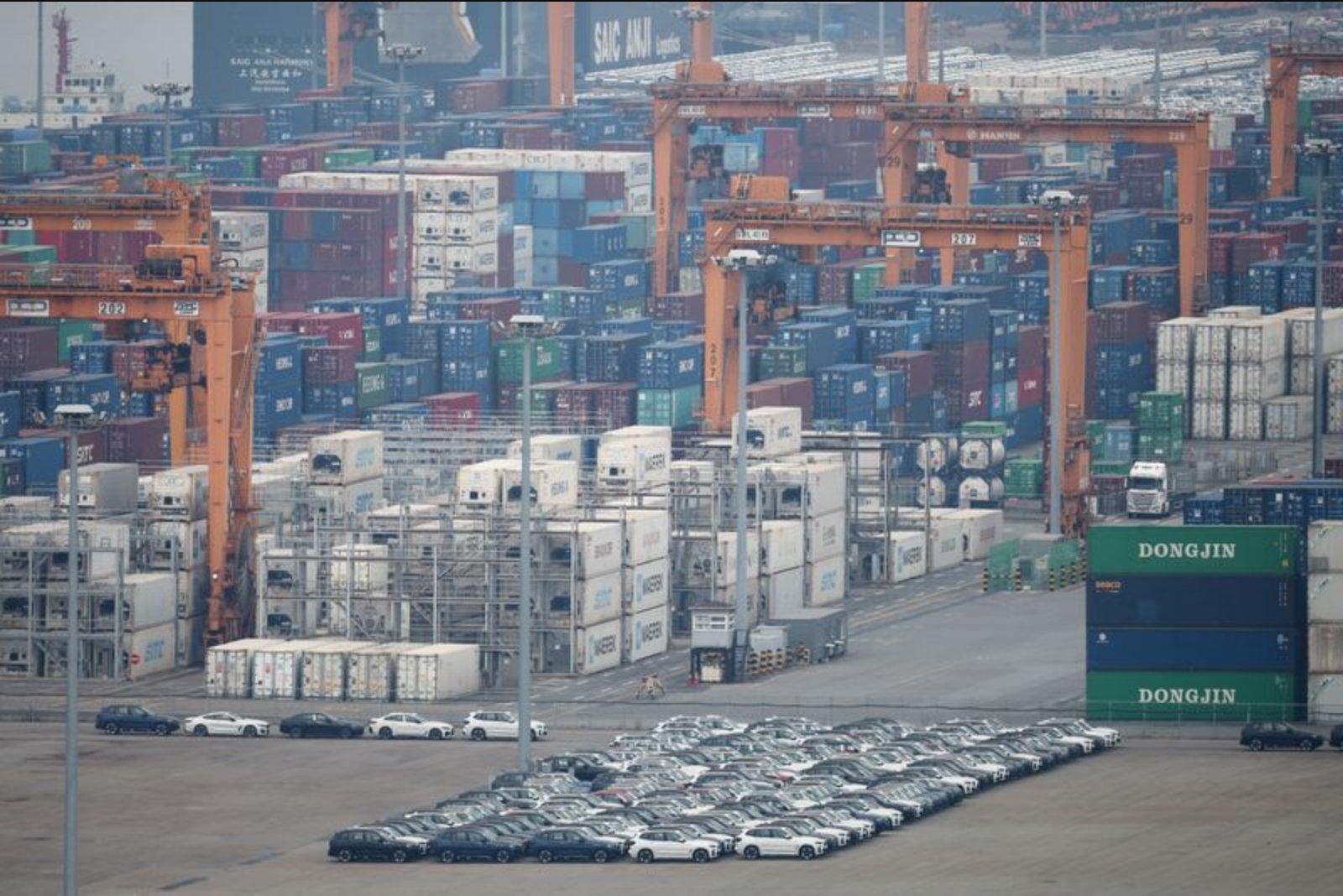
U.S. President Donald Trump announced on Jan. 26, 2026 via a post on his Truth Social platform that he was increasing tariffs on imports of South Korean automobiles and other products. He said the action came in response to what he described as Seoul’s legislature dragging its feet on enacting measures to implement a $350 billion investment package agreed with the United States.
The Jan. 26 move is the latest episode in a sequence of negotiations and incidents that trace back to an initial set of tariff threats unveiled by Trump in April 2025. What follows is a chronological account of the key events in the U.S.-South Korea trade talks that have alternately edged forward and retreated over the past year.
- April 2, 2025: President Trump announced a slate of tariffs on major trading partners, including a 25% tariff on imports from South Korea, during what he termed a "Liberation Day" announcement.
- April 25, 2025: In the first round of negotiations following the tariff announcement, South Korea agreed to work with the United States to craft a trade package by early July.
- July 30, 2025: Seoul and Washington reached a preliminary trade agreement that included a commitment from South Korea to invest $350 billion in the United States. The terms were not captured in written, detailed form at that stage, and that absence of documentation prompted disputes. The preliminary deal reduced country-specific tariffs on South Korean goods to 15%, while keeping auto tariffs at 25%.
- August 25, 2025: South Korean President Lee Jae Myung, who had taken office on June 4, met President Trump for the first time. The summit occurred after Trump had issued threatening comments earlier the same day, yet the meeting concluded without a major confrontation and also without concrete, detailed agreements on the promised investment package.
- September 4, 2025: U.S. immigration authorities carried out a raid at the construction site of a Hyundai Motor electric vehicle battery factory in Georgia, arresting about 300 South Korean workers. President Lee said that the incident had made South Korean companies more hesitant about investing in the United States.
- September 22, 2025: In an interview with Reuters, President Lee warned that if the South Korean government accepted U.S. demands related to the $350 billion package without including foreign exchange safeguards, the country could face a crisis comparable to its 1997 financial meltdown.
- October 29, 2025: At their second meeting, held on the sidelines of the Asia-Pacific Economic Cooperation annual summit in South Korea, Presidents Trump and Lee finalized details of the trade deal, including the currency safeguards that Seoul had demanded.
- November 14, 2025: The United States and South Korea issued a joint statement summarizing agreements reached at the October summit, and they signed a non-binding memorandum of understanding on the $350 billion investment package.
- November 26, 2025: South Korea’s ruling Democratic Party introduced legislation to create a special fund intended to finance the $350 billion investment package. The same period saw a reduction in U.S. tariffs on South Korean auto imports to 15%.
- November 29, 2025: Coupang, South Korea’s largest online retailer, disclosed a breach of personal information affecting 33.7 million customer accounts. The revelation provoked a backlash among South Korean lawmakers and launched a broad investigation by authorities; Coupang, which is listed in the United States, described the scrutiny as discriminatory against an American company.
- January 14, 2026: U.S. Treasury Secretary Scott Bessent commented publicly on a recent depreciation in the South Korean won, after discussions with South Korean Finance Minister Koo Yun-cheol about the "full and faithful" implementation of the trade deal.
- January 16, 2026: Finance Minister Koo Yun-cheol told Reuters that the $350 billion investment package was unlikely to begin in the first half of 2026, pointing to currency volatility as a factor limiting near-term progress.
- January 23, 2026: South Korean Prime Minister Kim Min-seok said that U.S. Vice President JD Vance had asked that questions surrounding the Coupang incident be addressed fairly to avoid increasing tensions.
- January 26, 2026: President Trump announced tariff increases on South Korean autos and other goods via Truth Social, linking the decision to delays by South Korea’s legislature in passing measures to implement the $350 billion investment package.
Throughout the sequence of events, several recurring themes have shaped the negotiations: tariff levels and their sectoral application, the mechanics and timing of a large investment commitment, the need for currency safeguards, and a series of high-profile incidents that have influenced business sentiment on both sides. The parties have issued joint statements and non-binding documents at various stages, while also encountering disputes over details and timing.