
World February 8, 2026

Trump Targets U.S. Skier Over Remarks on Representing Nation at Winter Olympics

President criticizes athlete after mixed-emotion comments as political tensions shadow Milano Cortina Games

By Ajmal Hussain
Trump Targets U.S. Skier Over Remarks on Representing Nation at Winter Olympics

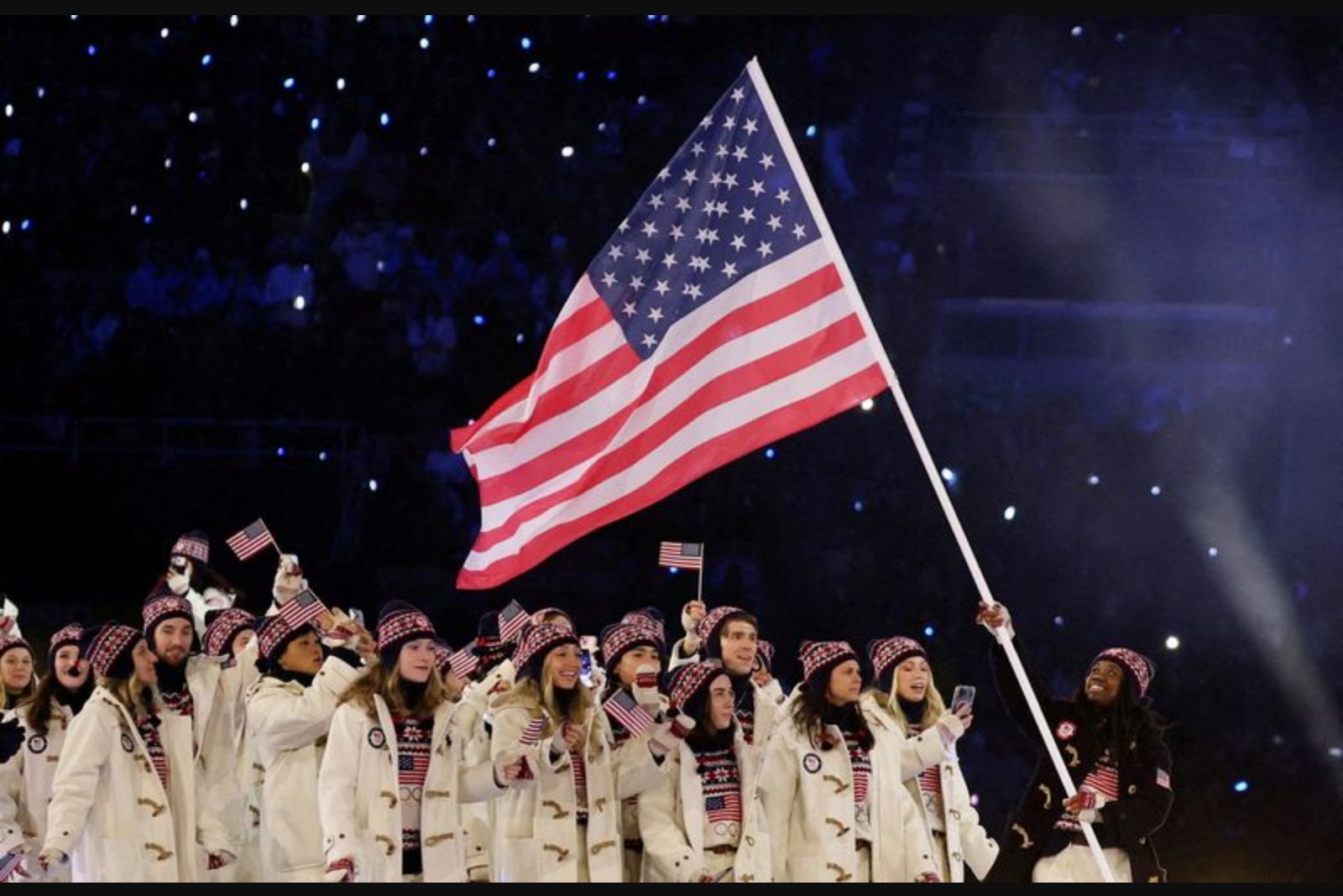
President Donald Trump took aim at American freestyle skier Hunter Hess after the athlete said he felt conflicted about representing the United States at the Winter Olympics in northern Italy. The exchange came amid wider political tensions at the Milano Cortina Games, including protests related to the presence of U.S. Immigration and Customs Enforcement (ICE) personnel and a recent lethal incident involving ICE agents in Minneapolis.

Key Points

  • President Donald Trump criticized Olympic freestyle skier Hunter Hess on Truth Social after Hess said he felt mixed emotions about representing the U.S. at the Winter Olympics - sectors impacted: media and social platforms.
  • Hess told reporters in Milan that wearing the flag does not mean he represents everything happening in the United States; teammate Chris Lillis also publicly criticized ICE and emphasized respect for citizens - sectors impacted: sports and public affairs.
  • Political tensions at the Milano Cortina Games have included protests over the presence of U.S. Immigration and Customs Enforcement personnel, linked to a recent deadly incident involving ICE agents in Minneapolis - sectors impacted: government and public safety.

U.S. President Donald Trump publicly rebuked American Olympic skier Hunter Hess on Sunday following comments the athlete made about competing under the U.S. flag. Posting to his Truth Social account, Trump wrote: "If that’s the case, he shouldn’t have tried out for the Team, and it’s too bad he’s on it," and added, "Very hard to root for someone like this."

The remarks by Trump came in the context of a wider atmosphere of political friction at the Milano Cortina Olympics in northern Italy. Organizers and participants at the Games have faced attention over the presence of personnel from U.S. Immigration and Customs Enforcement - an agency that has prompted protests across the United States after agents shot and killed two people in Minneapolis last month.

Hunter Hess, a freestyle skier, addressed reporters at a news conference in Milan on Friday and said he felt mixed emotions about representing the United States. Hess described it as "a little hard" and elaborated: "There’s obviously a lot going on that I’m not the biggest fan of, and I think a lot of people aren’t." He added: "Just because I’m wearing the flag doesn’t mean I represent everything that’s going on in the U.S."

The same press event included statements from teammate Chris Lillis, who voiced opposition to ICE and expressed sorrow over the situation that has generated protests. Lillis said: "I think that as a country we need to focus on respecting everybody’s rights and making sure that we’re treating our citizens as well as anybody with love and respect." He continued: "And I hope that when people look at athletes competing in the Olympics, they realize that that’s the America that we’re trying to represent."


The exchange highlights how athletes' personal perspectives on national issues can attract public and political reaction during high-profile international competitions. In this instance, athletes’ remarks about the United States and the presence of U.S. enforcement personnel at the Games intersected with criticism from the president, intensifying attention on both the individuals involved and the broader debates they referenced.

Details reported surrounding the protests note the ICE presence has been a flashpoint following a fatal incident involving agents in Minneapolis the previous month, which has driven demonstrations across the country. Beyond the individual comments and the presidential response, the episode underscores the way international sporting events can provide a stage for domestic political tensions to surface and be amplified through social media and press coverage.

Risks

  • Heightened public scrutiny of athletes’ political statements may affect sponsorship and endorsement relationships in the sports sector - impacted sector: sports marketing and sponsorship.
  • Public and political reactions to the presence of U.S. enforcement personnel at international events could amplify reputational risks for agencies and governments involved - impacted sector: government and public affairs.
  • Escalation of protests or media attention related to the Minneapolis incident and ICE actions could increase volatility in public sentiment and coverage, affecting how multinational events are perceived - impacted sectors: media and international event management.

More from World

Trump Order Seeks to Preserve Exclusive TV Slot for Army-Navy Game Mar 21, 2026 Family Clings to Hope After Butcher Vanishes Following Strike on Commercial Complex Mar 21, 2026 Three Weeks In, Iran Conflict Tests U.S. Control and Strains Global Energy and Alliances Mar 21, 2026 Trump peace board delivers written disarmament plan to Hamas amid stalled talks Mar 21, 2026 U.S. Deploys MQ-9 Drones and 200 Troops to Nigeria for Intelligence and Training Support Mar 21, 2026