
World March 27, 2026

Trump Says U.S. 'Does Not Have to Be There' for NATO After European Non-Support

President questions mutual defense commitments following lack of material assistance from some NATO allies amid U.S.-Iran conflict

By Maya Rios
Trump Says U.S. 'Does Not Have to Be There' for NATO After European Non-Support

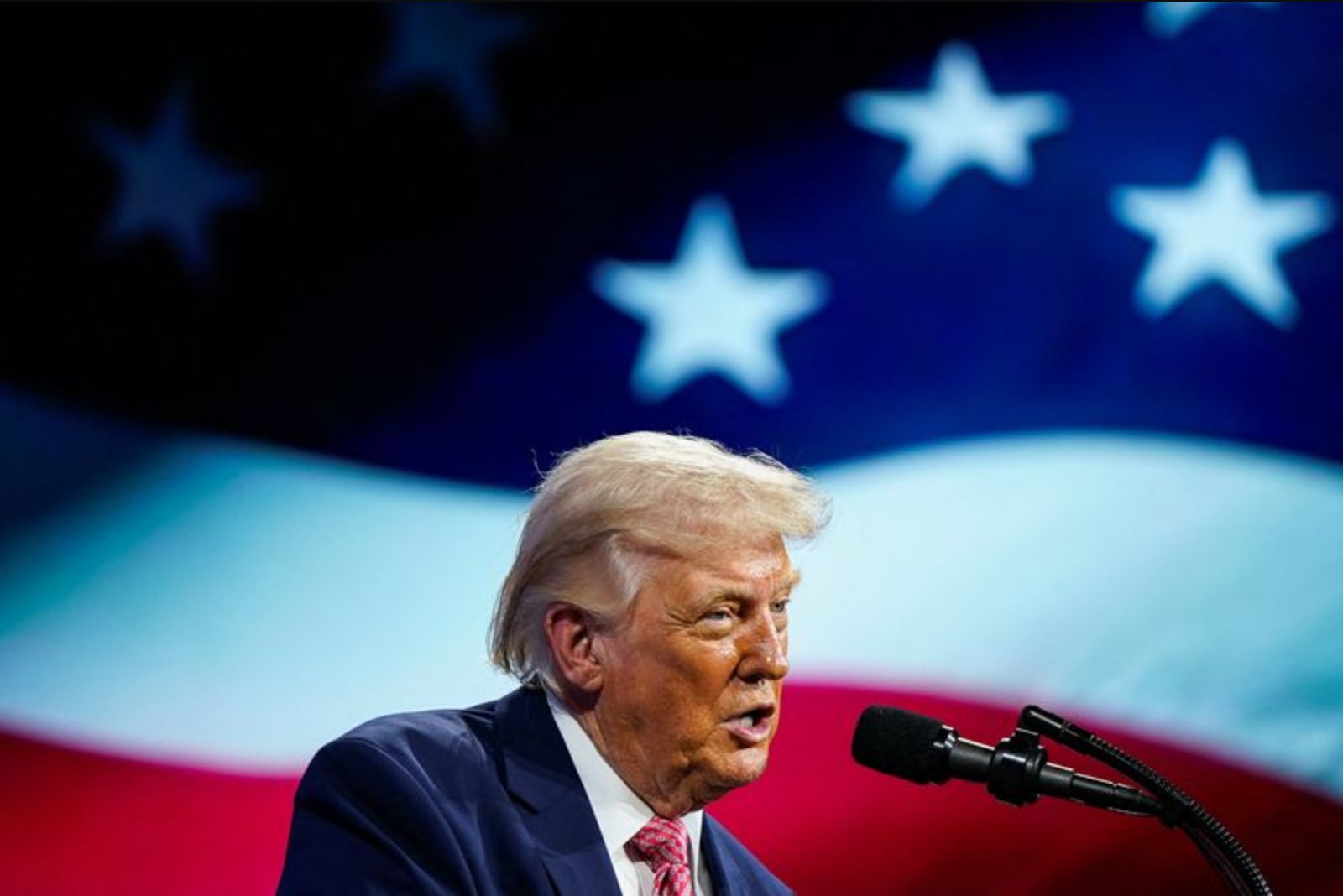
Speaking at an investment forum in Miami, President Donald Trump said the United States "does not have to be there for NATO," criticizing European allies for declining to provide material support as the U.S. enters the fourth week of its war on Iran. He said the lack of support undercuts U.S. obligations, and his remarks revive longstanding questions about his commitment to NATO's mutual defense pledge.

Key Points

  • President Trump told an investment forum in Miami that the United States "does not have to be there for NATO" following limited material support from some European allies amid the U.S. war on Iran - impacts political and defense sectors.
  • Trump said European NATO members were not consulted prior to the U.S. attack on Iran late last month and that many allied leaders opposed the action - this affects diplomatic relations and alliance cohesion.
  • The president's past statements have raised doubts about his willingness to honor NATO's Article 5 mutual defense commitment; his on-again-off-again relationship with European leaders has fluctuated since 2024, with improvements in 2025 and renewed tensions in 2026 after threats regarding Greenland - relevant to defense and geopolitical risk assessments.

At an investment forum in Miami on Friday night, President Donald Trump declared that the United States "does not have to be there for NATO," a statement that raised fresh questions about Washington's commitment to the transatlantic alliance's mutual defense arrangements.

Trump framed his remarks around what he described as a shortfall of material assistance from European NATO members as the United States approaches the fourth week of its ongoing war on Iran. He said European capitals had not provided the type of support he expected after the U.S. struck Iran late last month.

According to the president, European governments were not consulted by the United States before the attack on Iran and many leaders in the alliance opposed the action. Describing his response to that behavior, he told the forum audience:

"We would have always been there for them, but now, based on their actions, I guess we don’t have to be, do we?"

"That sounds like a breaking story? Yes, sir. Is that breaking news? I think we just have breaking news, but that’s the fact. I’ve been saying that. Why would we be there for them if they’re not there for us? They weren’t there for us."

Those comments come against the backdrop of a long-running and sometimes volatile relationship between the president and the NATO alliance. At various points, the president's public statements have prompted questions about his willingness to adhere to NATO's core mutual defense principle - Article 5, which states an attack against one member state is an attack on all.

On the 2024 campaign trail, Trump urged Russian President Vladimir Putin to attack European NATO countries that he said were not paying their fair share of defense costs. Despite that rhetoric, relationships with several European leaders appeared to improve during 2025, according to public reporting.

Those improved ties did not last. Washington-Brussels relations deteriorated again in 2026 after the president intensified threats to invade Greenland, which is an overseas territory of Denmark, contributing to renewed friction with European capitals.


For now, the president's remarks in Miami underscore persistent uncertainty about the durability of U.S. guarantees to NATO partners, especially in a period of heightened military activity involving Iran. The president linked future U.S. commitments explicitly to perceived reciprocity from allies, signaling a transactional approach to alliance obligations.

The immediate policy consequences and any formal changes to U.S. alliance commitments were not detailed in the president's remarks. The statements nonetheless add to ongoing debate about transatlantic coordination, consultation, and the credibility of collective defense assurances.

Risks

  • Potential erosion of NATO cohesion and mutual defense certainty, which could affect defense planning, procurement, and spending across allied nations - relevant to defense contractors and government budget planning.
  • Strained U.S.-European diplomatic relations as a result of unilateral U.S. military action and comments about alliance obligations, which could increase geopolitical uncertainty and affect markets sensitive to risk, including energy and defense sectors.
  • Unclear consultation and coordination between the U.S. and European NATO members following military action against Iran, leaving alliance responses and collective decision-making processes uncertain - posing risks to multinational security initiatives and related economic exposures.

More from World

FAA Suspends Operations at Major Washington-Area Airports After Odor Forces TRACON Evacuation Mar 27, 2026 Secret Service Agent Assigned to Former First Lady Injures Leg in Accidental Discharge Near Philadelphia Airport Mar 27, 2026 Trump Signals Cuba as Next Focus After Citing U.S. Military Actions Mar 27, 2026 Lavrov and Iran’s Araqchi Explore Diplomatic Path as Middle East Fighting Intensifies Mar 27, 2026 Houthis Signal Readiness to Intervene if War on Iran Widens; Warn Against Use of Red Sea as Launch Zone Mar 27, 2026