
Summary: Public figures voiced shock after reports indicated Bill Belichick did not achieve the 40-of-50 vote threshold necessary for first-ballot entry to the Pro Football Hall of Fame. The controversy has drawn attention to the Hall's selection process and prompted an institutional response about enforcement of voting rules.
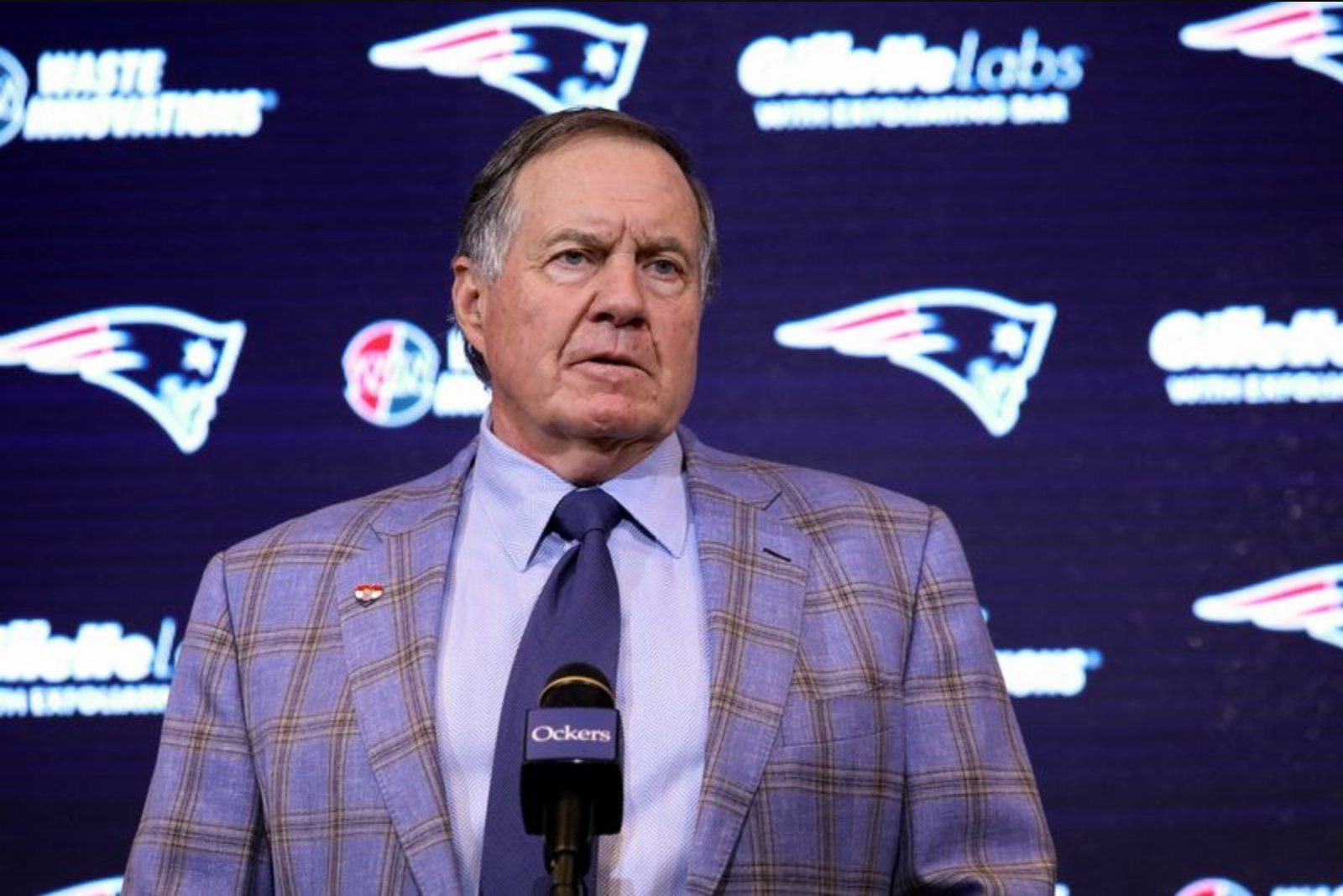
U.S. President Donald Trump joined a wave of criticism following reports that Bill Belichick, widely regarded as one of the most successful coaches in National Football League history, was not elected to the Pro Football Hall of Fame in his first year on the ballot. According to an ESPN report, Belichick fell short of the 40 votes out of 50 required for first-ballot induction.
Belichick's record includes six Super Bowl championships as the New England Patriots' head coach and two additional Super Bowl wins as an assistant coach with the New York Giants. His career totals also list nine conference championships and 17 division titles, and he ranks second on the all-time wins list, including playoff victories, with 333 wins.
In a post on Truth Social on Wednesday, Trump linked his criticism of the Hall of Fame outcome to his opposition to a recent NFL kickoff rule change introduced in 2024, calling both decisions part of the same misguided approach. He wrote: "It is the same mindset that gave pro football the new and unwatchable 'Sissy' Kickoff Rule, that made it possible for Bill Belichick to not be elected into the Pro Football Hall of Fame. Both are ridiculous and should be overturned!"
The Pro Football Hall of Fame issued a statement late Wednesday noting that if any members of the voting committee were found to have violated the selection process bylaws, those members could be subject to removal from the committee.
Belichick and the Patriots ended their long association in January 2024, after he served 24 seasons as head coach. At a news conference at the time of his departure, Patriots owner Robert Kraft stated: "What Bill accomplished, in my opinion, will never be duplicated."
Reactions from the sports world were swift. Kansas City Chiefs quarterback Patrick Mahomes, a three-time Super Bowl champion widely seen as a future Hall of Famer, wrote on X: "Insane… don’t even understand how this could be possible." NBA star LeBron James expressed similar incredulity, posting: "Man there’s no way I read that right! Right? Ain’t no WAY Bill Belichick ain’t 1st Ballot HOF!! That’s IMPOSSIBLE, EGREGIOUS, and quite frankly DISRESPECTFUL!"
Former Dallas Cowboys quarterback and Hall of Famer Troy Aikman, who was inducted in 2006 after winning three Super Bowls, described the outcome as "A disappointing day for the Pro Football Hall of Fame." The Hall's voting committee is largely composed of veteran NFL reporters and also includes former players and coaches.
ESPN reported that the decision to deny Belichick first-ballot induction may have been influenced by lingering sentiments tied to the Spygate and Deflategate controversies that occurred during the Belichick-Tom Brady era in New England. The report framed the result as a form of reparation for those scandals.
Beyond public commentary and institutional remarks, the episode underscores tensions around how historical performance, controversies, and the rules governing selection are weighed by a relatively small voting body. The Hall of Fame's stated ability to remove members for bylaw violations highlights one enforcement mechanism if questions arise about adherence to selection rules.
Separately, a commercial paragraph included in the original text discussed an AI-driven investment product and promotional sale. That material described AI portfolio performance metrics and a New Year’s sale offering; it is unrelated to the Hall of Fame matter.
Contextual notes:
- Belichick's career achievements cited here reflect his Super Bowl and championship totals as reported.
- The voting threshold for first-ballot Hall of Fame induction is 40 out of 50 votes, per the report cited.
- Public comments from Trump, Patrick Mahomes, LeBron James, and Troy Aikman were included verbatim in the reporting.