
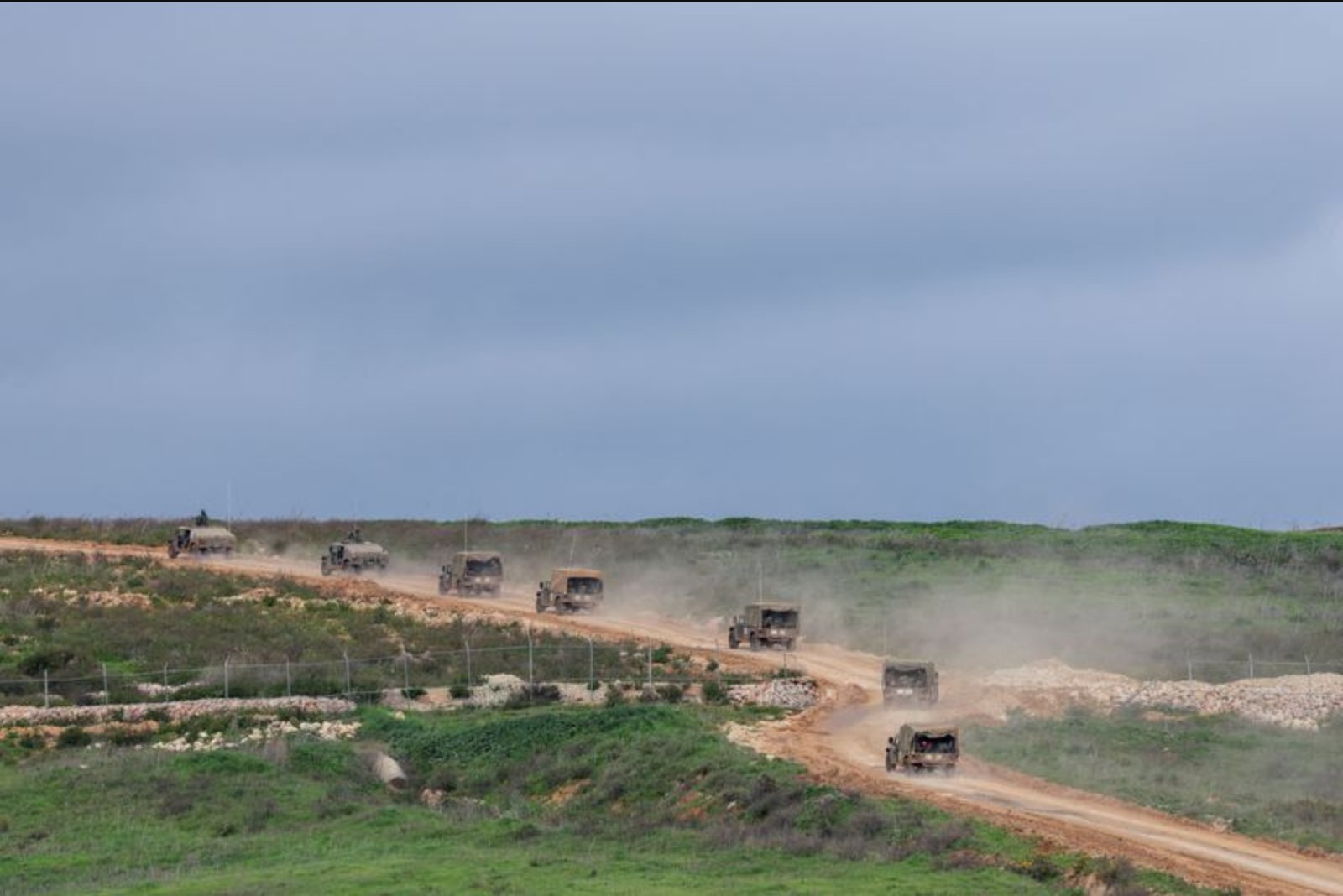
Iran has told mediators that any ceasefire agreement involving the United States and Israel must explicitly include Lebanon and halt Israeli attacks on Hezbollah, six regional sources familiar with Tehran's position said on Wednesday. The demand ties an end to the broader regional war to a cessation of Israel's military campaign against the Lebanon-based group.
State-controlled Iranian media, Press TV, cited an Iranian official saying Tehran wants any deal with the United States to guarantee an end to hostilities both against Iran and other "resistance groups" operating in the region.
A senior Iranian official told Reuters on Wednesday that Tehran was examining a U.S. proposal intended to halt the regional war that has been underway for nearly a month, signaling that Iran had not yet dismissed the plan outright.
The six regional sources, who requested anonymity because of the sensitivity of the matter, said Iran had made clear to mediators as early as mid-March that it sought terms that would also end Israeli strikes against Hezbollah. The sources said Tehran has framed its negotiating position to ensure that Lebanon and Hezbollah are part of any comprehensive settlement.
Hezbollah, formed in 1982 with backing from Iran's Revolutionary Guards, is widely regarded as the principal instrument of Tehran's network of allied armed groups in the region. The group opened fire on Israel on March 2 in what it said was solidarity with Iran, prompting an Israeli air and ground campaign in southern Lebanon.
The office of Iran's foreign ministry, Israel's foreign ministry and the Israeli military did not immediately respond to questions on the matter from Reuters.
A senior Trump administration official told Reuters that ending Iran's "proxy activities" and disarming Hezbollah were "crucial to ensuring peace and stability in Lebanon and across the region."
One of the regional sources said Hezbollah had been given "Iranian guarantees" that it would be included in any broader truce. "Iran is prioritizing Lebanon - it will not accept Israeli violations in Lebanon like what happened after the 2024 ceasefire," the source added, referencing strikes that continued despite a previous truce.
Linking a truce to protections for Hezbollah would underscore Tehran's close relationship with the Shi'ite armed group at a time of intensified political strain in Beirut, the sources said. The decision by Hezbollah to enter the fighting has exacerbated long-standing sectarian tensions inside Lebanon.
Hezbollah was historically a dominant force within the Lebanese state, but its standing was weakened following heavy Israeli assaults in 2024 and the formation of a new government in Beirut that demanded its disarmament and banned its military activities. In recent diplomatic moves, Lebanon's foreign ministry declared Iran's appointed ambassador persona non grata on Tuesday. Hezbollah and other senior Shi'ite figures criticized that decision and urged the envoy to remain.
A foreign official in Beirut familiar with Hezbollah's stance said the group hopes an Iran-brokered truce would help consolidate its political standing within Lebanon.
Israel's foreign ministry has stated that "Israel has not conducted and does not conduct negotiations with the Iranian terror regime." A source familiar with Israeli military planning said strikes on Hezbollah could continue even after an air campaign against Iran ends, describing the two fronts as unconnected.
According to four Lebanese sources, Hezbollah calculated its entry into the conflict based on expectations that Iran's clerical leadership would survive the confrontation and that a regional ceasefire would include the Lebanese faction. Since March 2, Israeli strikes have killed more than 1,000 people in Lebanon and displaced over one million, Lebanese authorities say.
Context and next steps
Iran's insistence that Lebanon be part of any ceasefire puts mediators in a position where a broader settlement would need to address both direct hostilities involving Iran and state and non-state actors operating in Lebanon. Tehran's review of the U.S. proposal suggests it remains engaged with diplomatic channels while reserving the right to demand guarantees for Hezbollah.
Belgian-style neutrality in messaging from Tehran and the lack of immediate comment from Israel point to an ongoing, delicate negotiation phase in which public statements are limited and positions are being calibrated by intermediaries.
Human toll
The conflict's impact inside Lebanon has been severe, with authorities reporting more than 1,000 fatalities and over a million people displaced since the start of hostilities on March 2. These figures have been cited in discussions over any potential ceasefire and are central to concerns about civilian protection and humanitarian access.