
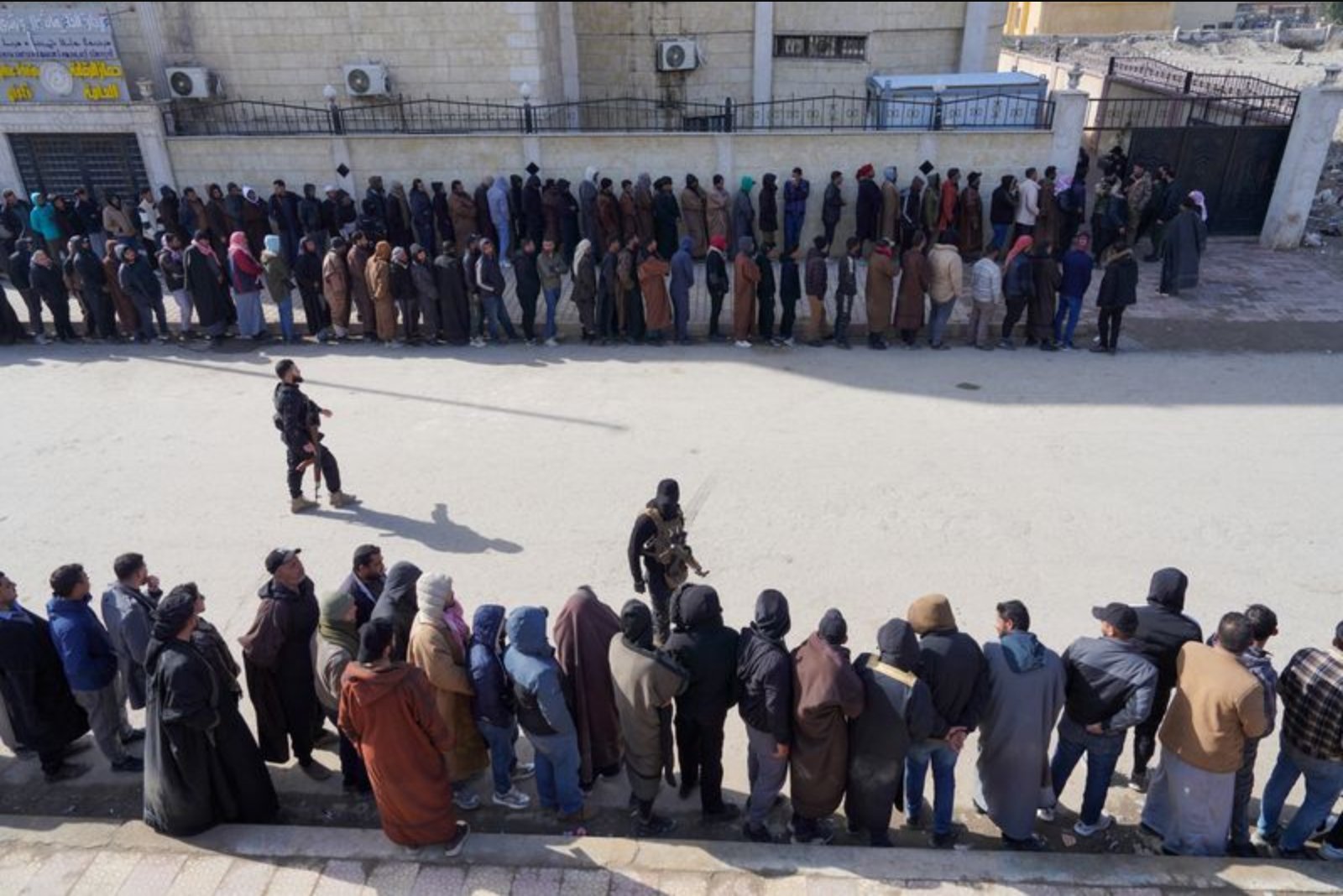
The Syrian government and the Kurdish-led Syrian Democratic Forces (SDF) announced a ceasefire on Friday that envisages a step-by-step integration of Kurdish fighters into state structures, averting what officials described as a potentially bloody showdown in the country's northeast.
The announcement followed a recent government advance that seized swathes of territory in northern and eastern Syria earlier this month, pushing SDF units back into a progressively smaller enclave. The SDF, which at one point controlled roughly a quarter or more of Syrian territory, has faced an uncertain future since Islamist fighters led by Sharaa toppled President Bashar al-Assad 14 months ago.
U.S. envoy Tom Barrack, who has been active in mediation efforts between the parties, called the agreement "a profound and historic milestone in Syria’s journey toward national reconciliation, unity, and enduring stability." His comments framed the pact as a key step in efforts to stabilize the country.
Terms and mechanics of the pact
Under the terms of the deal, forces that had assembled along front lines in the north will withdraw and Interior Ministry security personnel will be deployed to the centres of Hasakah and Qamishli, two northeastern cities currently held by the SDF.
The accord also provides for the establishment of a military division that will incorporate three SDF brigades. In addition, a brigade formed from forces in the SDF-controlled town of Kobani - also known as Ain al-Arab - will be affiliated to the governorate of Aleppo.
Local governing institutions that Kurdish-led groups created in the northeast are to be merged into Syrian state institutions, signaling a formal reassertion of Damascus’s administrative authority in those areas.
Previous efforts and mediation
Damascus and the SDF reached an initial integration agreement last March but made little progress toward implementation before a year-end deadline, a failure that preceded the government's recent military push. The United States has been involved in mediation efforts for nearly a year in an attempt to broker a lasting settlement.
A senior Syrian government official said the deal was final and reached late on Thursday night, adding that implementation would start immediately.
Reactions and expert assessment
Noah Bonsey, a senior adviser with the International Crisis Group, described the accord as "a potentially historic turning point," saying both sides appeared to have found a workable middle ground on difficult questions. He cautioned, however, that implementation would be complex and that numerous challenges remain, noting he was waiting to see all the terms.
The SDF issued a statement framing the deal as an effort "to unify Syrian territory and achieve full integration in the region by strengthening cooperation between the concerned parties and unifying efforts to rebuild the country." Syrian state broadcaster al-Ikhbariya published a near-identical statement, citing a government official.
Outstanding issues and operational questions
Key operational details remain unclear in public statements. The agreement statements did not address control of the last remaining SDF-held border crossing into northern Iraq, Semalka. A Syrian official said the state would take over all border crossings, but a spokesperson from the SDF did not immediately respond to a question on the crossing.
The Syrian official elaborated that the new military division in the northeast would include "groups from the SDF within brigades, alongside other brigades." Fighters, the official said, would join those brigades as "individuals," and the entire division would fall under the authority of Syria's Defence Ministry. There was no immediate SDF response to questions on the specific method of integration and the eventual command structure of those brigades.
Security climate and territorial stakes
Kurdish communities have remained on high alert amid concerns over a potential government advance into Kurdish-majority areas. Authorities and local populations have been mindful of last year’s violence directed at minority Alawites and Druze, shaping fears about renewed unrest.
The areas captured by Damascus this month include Syria's main oil fields and significant agricultural land, assets that are central to the economic and strategic balance in the northeast. Those territorial shifts are directly tied to the stakes at issue in the talks and the arrangement to integrate SDF units into formal state structures.
Next steps and uncertainties
While officials described the accord as final and ready for immediate execution, practical hurdles lie ahead. Observers and participants warn that implementing a phased integration - with fighters joining as individuals under a central command - will require careful management, clear lines of authority, and detailed technical arrangements that are not yet publicly available.
How issues such as control of border crossings and the precise composition and command of the new brigades will be settled remains to be seen. Those unresolved elements will shape both the effectiveness of the integration and the prospects for longer-term stability in the region.