
World March 24, 2026

Steinmeier Says Trump’s Second Term Represents a Break in Transatlantic Relations

German president urges Berlin to apply lessons from reduced Russian dependencies to U.S. ties, with a focus on defence and technology autonomy

By Derek Hwang
Steinmeier Says Trump’s Second Term Represents a Break in Transatlantic Relations

German President Frank-Walter Steinmeier warned that the commencement of U.S. President Donald Trump’s second term constitutes a fundamental rupture in transatlantic relations, comparable in scale to the change in relations with Russia following its February 24, 2022 invasion. Speaking at a foreign ministry event in Berlin, Steinmeier said Germany must draw on its experience of reducing excessive reliance on Russia and pursue greater independence from the United States, particularly in defence and technology sectors. He also pointed to tensions between the Pentagon and AI developer Anthropic as a potential catalyst for European technological development.

Key Points

  • Steinmeier stated that President Trump’s second term represents a rupture in transatlantic relations comparable to the break with Russia after February 24, 2022, and said there will be no return to pre-2025 transatlantic relations.
  • He called for Germany to apply lessons from its efforts to reduce excessive dependencies on Russia to its relationship with the United States, particularly in defence and technology sectors.
  • Steinmeier pointed to the Pentagon-Anthropic dispute over AI safety guardrails as a potential catalyst for Europe to develop its own technology capabilities, emphasizing Europe’s talent, markets and ethical standards.

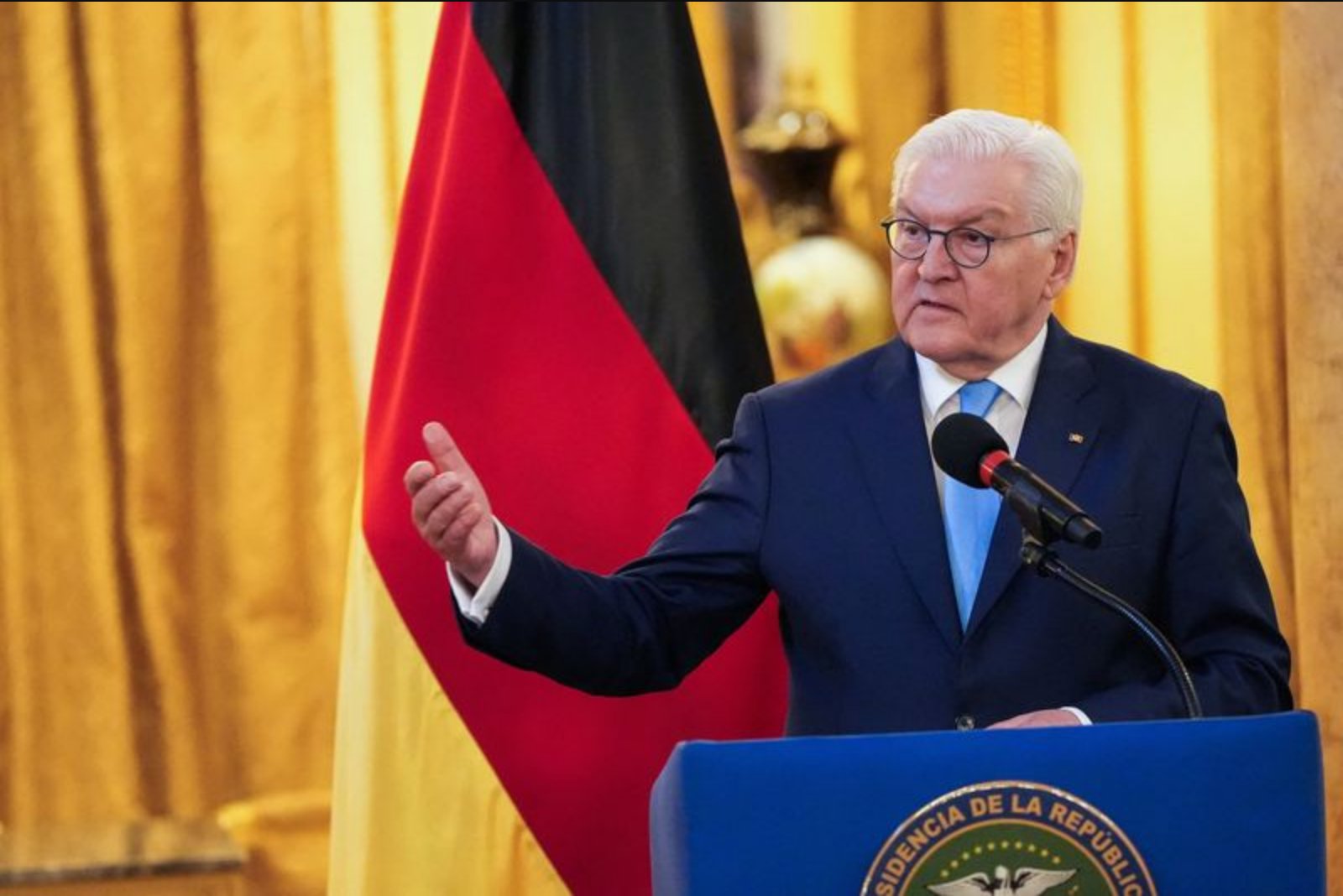
German President Frank-Walter Steinmeier said the start of U.S. President Donald Trump’s second term marks a break in relations with the United States that he considers as deep as the rupture with Russia following its invasion on February 24, 2022. Speaking in Berlin at a foreign office event where he was due to address attendees, Steinmeier framed the new U.S. administration’s return as a defining moment for Germany’s foreign policy calculations.

"Just as I believe there will be no going back in relations with Russia before February 24, 2022, so too do I believe there will be no going back in transatlantic relations before January 20, 2025," Steinmeier said, according to prepared remarks. He urged Germany to apply the same lessons it drew from disentangling itself from "excessive dependencies" on Russia to its relationship with the United States.

Steinmeier emphasized that this reassessment should concentrate on areas where dependence could create strategic vulnerabilities, highlighting defence and technology as particular priorities. As president, Steinmeier holds largely ceremonial powers, but he uses the office to shape public debate and signal priorities to both policymakers and society.

On technology, he warned that dominance in this sphere confers not just foreign policy leverage but also the ability to shape domestic political discourse through digital platforms and social media. "We know that this technological lead means not only foreign policy power, but also the power to influence our domestic politics through digital platforms and social media," he said.

Germany has already placed emphasis on developing alternatives to technology dominated by the United States amid growing concern about U.S. access. Steinmeier pointed to the recent dispute between the Pentagon and Anthropic over safety guardrails for artificial intelligence as a potential spur for Europe to bolster its own technological capabilities. He described the spat as either a wake-up call or an opportunity for Europe.

He argued that Europe is well positioned to build on its strengths in talent, markets and ethical standards. "Europe as a technology hub has talent, markets, opportunities and, importantly, ethical standards. We should build on these," Steinmeier said, urging policymakers and industry to consider those comparative advantages when planning future technology and defence strategies.


Context and implications

Steinmeier’s remarks call for a strategic re-evaluation in areas that intersect with national security and industrial policy. While his office is largely ceremonial, his public intervention is intended to influence debate on how Germany and Europe respond to shifts in international relationships and technological power dynamics.

Risks

  • Greater efforts to reduce dependence on U.S. defence and technology could create short- and medium-term strategic and procurement challenges for defence-related industries and government acquisition programs.
  • Heightened emphasis on alternatives to U.S.-dominated technology may increase competition for investment and require substantial policy and industrial coordination, affecting technology firms and digital platforms.
  • Uncertainty around governance of advanced AI, highlighted by the Pentagon-Anthropic spat, may produce regulatory and market volatility for companies involved in artificial intelligence and for sectors reliant on AI-driven services.

More from World

German Foreign Minister Calls U.S. Claim of Talks With Iran a Potential Turning Point Mar 24, 2026 Confirmed Deaths Across the Middle East After U.S. and Israeli Strikes on Iran: Reported Totals as of March 23 Mar 24, 2026 U.S. Pushes for Iran Deal as Israeli Officials Doubt Success Mar 24, 2026 Overnight Russian Drone and Missile Strikes Kill Three, Damage Buildings in Ukraine Mar 24, 2026 China’s Extensive Seabed Mapping Campaign Expands Across Pacific, Indian and Arctic Waters Mar 24, 2026