
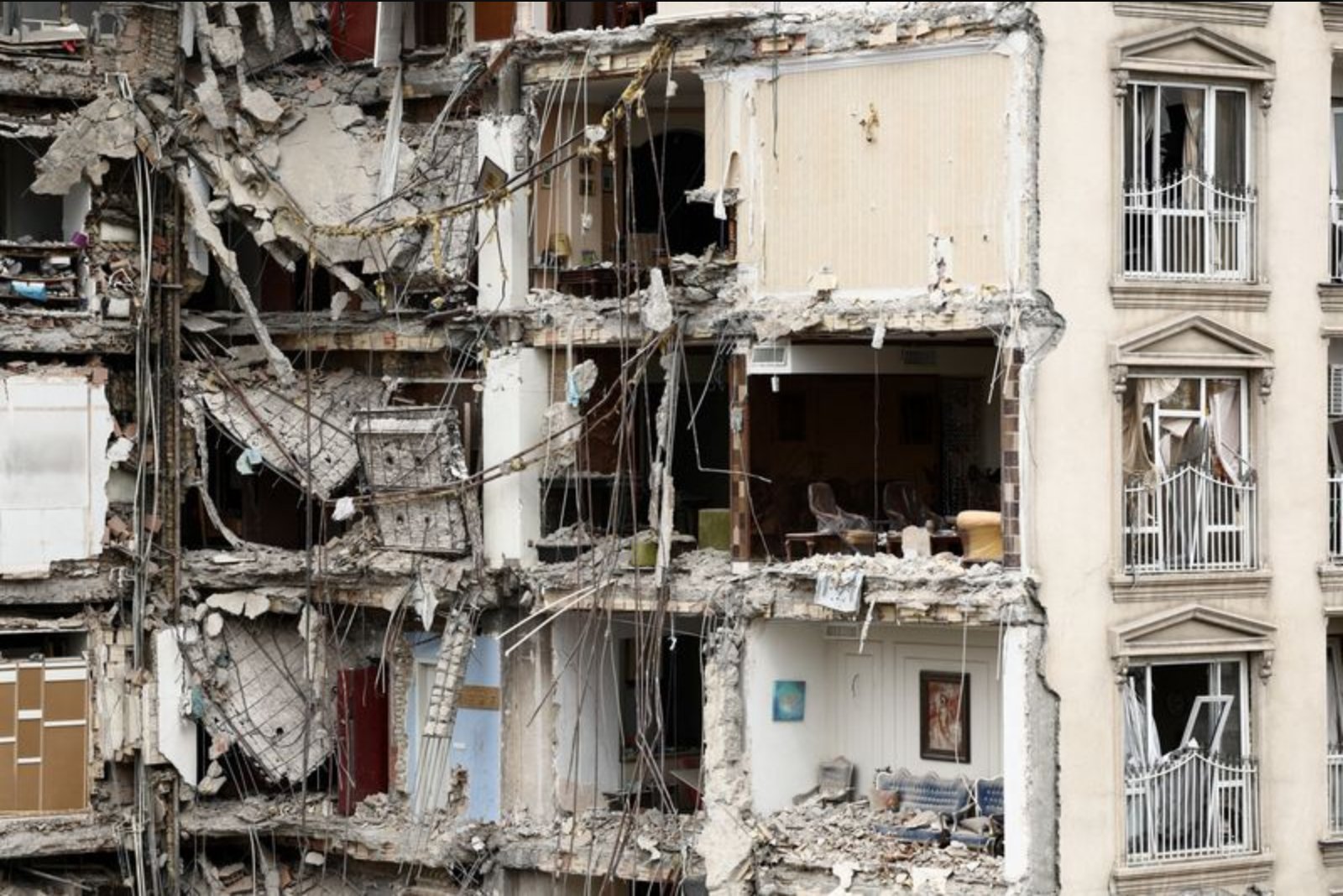
March 26 - The United States, Israel and Iran have each presented uncompromising conditions they say would be necessary to stop a war that has spread across the Middle East and threatened global commerce by imperiling Gulf energy exports. Since late February, U.S. and Israeli airstrikes have targeted Iranian assets and Iran has responded with strikes against Israel, U.S. bases and Gulf states.
What the Americans say
Washington has sent Iran a confidential 15-point plan via Pakistan. The text of that plan has not been made public and U.S. officials have declined to provide details. The administration has said some media descriptions of the plan are inaccurate, but has not elaborated on the substance.
Three Israeli cabinet sources who reviewed the contents of the U.S. proposal have described several measures it contains. According to those sources, the plan would seek:
- the removal of Iran's stocks of highly enriched uranium;
- an end to Iran's uranium enrichment programme;
- restrictions on Iran's ballistic missile programme; and
- the cessation of Iranian support for regional allies such as Lebanon's Hezbollah.
The White House warned that if Tehran does not accept the proposal, the United States will hit Iran "harder than they have ever been hit before." Separate reporting indicates Washington is expected to deploy thousands more soldiers to the Middle East, according to two people familiar with the matter.
Tehran's response
A senior Iranian official has told negotiators that Tehran's initial reaction to the U.S. proposal was not "positive," while also stating that the Iranian leadership continues to review the offer. Iran's foreign minister, Abbas Araqchi, said on Wednesday that Iran was not in direct negotiations with the United States but that messages were being exchanged via intermediaries.
Iran has articulated several core conditions it says must be met for any settlement. Officials have called for a permanent end to the war and for compensation to cover destruction. State media cited an Iranian official asserting that sovereignty over the Strait of Hormuz is Iran's "natural, legal right," a demand Tehran has communicated to intermediaries.
Sources familiar with Iran's position told intermediaries that any ceasefire deal must address Israel's war in Lebanon. Tehran has also indicated it can escalate by threatening alternate maritime routes used for oil exports - pointing in particular to the Red Sea and the Bab al-Mandab Strait as potential pressure points if the conflict continues without a ceasefire.
Iran additionally told intermediaries it had intelligence about a plan by the United States, with support from a regional country, to occupy an Iranian island. Iranian officials warned that such an occupation would prompt attacks on vital infrastructure in the unnamed regional country.
Israel's stance
Israeli defence officials have expressed scepticism that Iran will accept the U.S. package, and have also voiced concern that Washington might make concessions that fall short of Israel's security needs. One Israeli source said any agreement must preserve Israel's option to carry out pre-emptive strikes.
Israel's military spokesperson said the current mission remains focused on continuing to destroy Iran's military capabilities and stated that Israel still has "many more targets left."
Implications noted by the parties
All three actors frame their positions around core security objectives: the United States pushing a plan that targets Iran's nuclear and missile capabilities and regional influence; Iran demanding a permanent stop to hostilities, compensation and control over strategic maritime entrances; and Israel insisting on retaining freedom of action to neutralise perceived Iranian threats. The positions as expressed underline why a near-term diplomatic settlement faces steep obstacles.
Given the focus on Gulf sea lanes and alternative maritime passages, energy-exporting industries, shipping and defence sectors remain directly implicated by the standoff.