
Budapest - With Hungary set to vote on April 12, two independent opinion surveys published on April 1 indicate that the far-right Our Homeland party could emerge as a decisive player in the next parliament. The polls show that, aside from the two leading groupings - Prime Minister Viktor Orban's Fidesz and the rival centre-right Tisza party led by Peter Magyar - only Our Homeland has a plausible route to clear the 5% vote threshold required for parliamentary representation.
Results from the independent pollsters 21 Research Centre and Zavecz Research place Our Homeland at the margin of entry. 21 Research Centre reported support at 5% among decided voters, while Zavecz Research recorded 4% support. Those figures follow Our Homeland's stronger showing in the 2024 European Parliament contest, where it secured 6.7% of the vote.
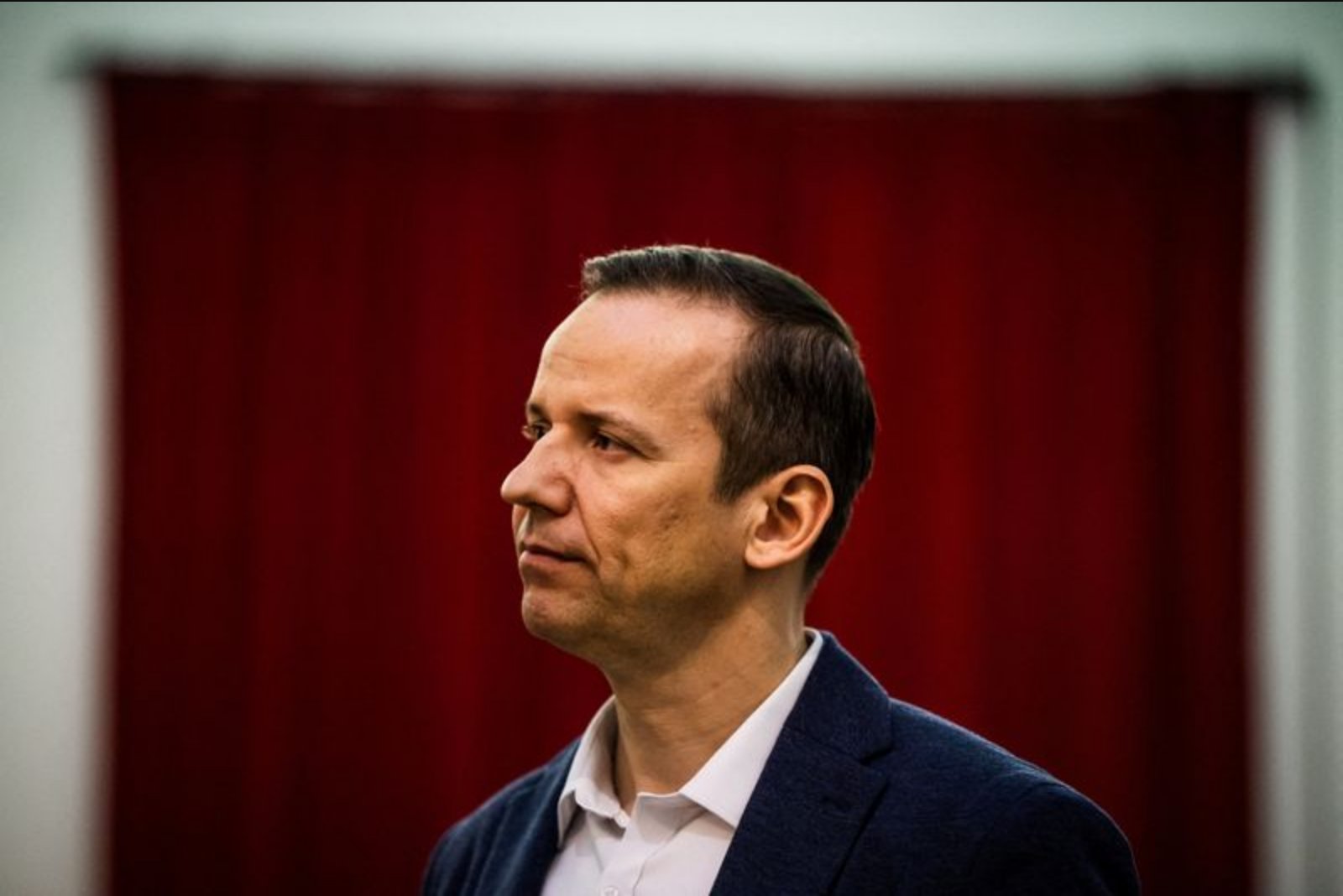
Our Homeland, which is affiliated with the Europe of Sovereign Nations group that includes Germany's Alternative fur Deutschland, campaigns on a platform opposing the European Union, migration and vaccination policies, while also emphasising a pledge to combat corruption and crime. The party's leader, Laszlo Toroczkai, 48, rejects the far-right label and describes the party instead as "sovereignist," positioning it against what he calls globalist forces.
Political analysts and election observers offer differing characterisations of the party's constituency. Robert Laszlo, an election expert at the Political Capital think tank, said that Our Homeland draws support from voters who hold openly antisemitic and anti-Roma views and that these elements should be regarded as far-right, although he indicated they represent a minority within the party. He also said the party attracted some moderate voters through conspiracy narratives related to vaccines during the Covid-19 pandemic, and that it appeals to rural voters who feel overlooked by larger parties.
Toroczkai has publicly ruled out entering an official coalition with either Fidesz or Tisza. At a campaign event he told Reuters: "My goal is that Mi Hazank gets in a position where neither Fidesz nor Tisza...has absolute power." The statement frames his party's ambition as preventing domination by either main bloc rather than joining a governing alliance.
Despite Toroczkai's rejection of formal coalition deals, some political analysts have suggested an alternative scenario in which Our Homeland could provide tacit or informal support to a minority Fidesz government if such backing was needed to allow Orban to govern. The polls indicating Our Homeland's marginal parliamentary prospects make such scenarios relevant to post-election arithmetic, even if the party's public posture is one of independence from the two major parties.
The independent polling data underline the narrow margins at play. With the 5% parliamentary threshold a key barrier to entry, differences between pollsters and the volatility of undecided voters leave the party's ultimate parliamentary role uncertain. Our Homeland's prior performance in the 2024 European election and its cross-section of voters - ranging from extremists to disaffected rural residents and some vaccine-skeptical moderates - inform analyst assessments of its potential influence.
As the April 12 vote approaches, the central questions for Hungary's political future are whether Orban can extend his 16-year tenure, whether the Tisza party can supplant him, and whether a smaller party entering parliament will alter the balance of power through formal coalition-building or informal parliamentary support.
Key points
- Independent polls show Our Homeland is the only small party with a realistic chance of crossing the 5% threshold to enter parliament alongside Fidesz and Tisza.
- Our Homeland campaigns on anti-EU, anti-migration and anti-vaccination positions and finished with 6.7% in the 2024 European Parliament election.
- Toroczkai has ruled out formal coalitions, but analysts say informal support for a minority government - particularly for Fidesz - remains a possibility.
Sectors potentially affected (not specified in polls)
- The article does not specify direct sectoral impacts. Political uncertainty of this type can be relevant to financial markets, sovereign credit assessments and investor sentiment, but the provided reporting does not make explicit claims about effects on banks, insurers or other sectors.
Risks and uncertainties
- Polling margin and threshold risk - 21 Research Centre and Zavecz Research report slightly different support levels (5% and 4%), leaving Our Homeland's ability to pass the 5% barrier uncertain. This affects whether it will have a parliamentary seat.
- Coalition ambiguity - although Toroczkai has excluded formal coalitions with either Fidesz or Tisza, analysts have not ruled out informal support arrangements, creating uncertainty about post-election governance dynamics.
- Voter composition uncertainty - the party includes a mix of extremist elements and some moderate supporters drawn by vaccine-related narratives and rural grievances, making its policy influence and stability in parliament unpredictable.