
Ukrainian and Russian delegations convened in Abu Dhabi for a second round of U.S.-brokered talks on Wednesday, entering a two-day schedule of trilateral negotiations aimed at advancing efforts to halt Europe’s largest active conflict since World War Two.
Rustem Umerov, Ukraine’s chief negotiator, said on the Telegram app that the process had opened in a trilateral format - involving Ukraine, the United States, and Russia. He added that smaller teams would meet separately to address specific negotiation tracks before reconvening in a joint session to synchronise their positions.
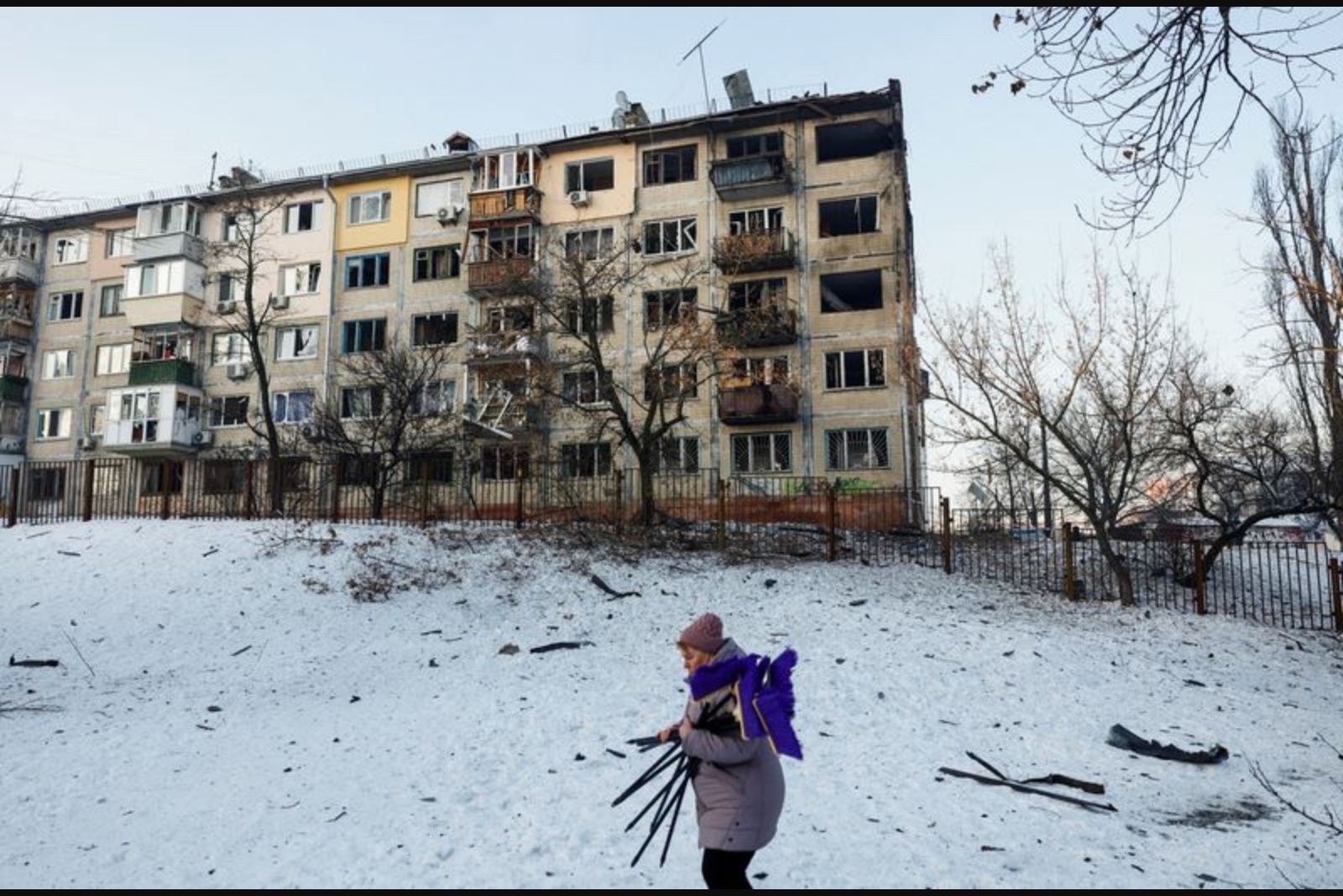
The talks arrive as Kyiv accuses Moscow of taking advantage of a recent U.S.-supported energy truce to amass munitions. Ukrainian officials also reported a sharp escalation in attacks, noting that Russia mounted a record number of ballistic missile strikes on Tuesday.
Despite multiple rounds of engagement under U.S. auspices over the past year, including sustained pressure from the U.S. administration to urge compromise, the two capitals remain significantly divided on core demands and red lines.
Among the most contentious items are Moscow’s insistence that Kyiv cede control of territory it currently holds and the status of the Zaporizhzhia nuclear power plant, which is situated in an area under Russian occupation and is Europe’s largest nuclear facility.
Russian negotiators have said they expect Ukrainian forces to withdraw from the entirety of the eastern Donetsk region, including a belt of heavily fortified cities that Kyiv regards as a critical defensive line. Ukraine has countered that the conflict should be frozen along the existing front line and has explicitly rejected any unilateral pullback of its forces.
Russia currently controls roughly 20% of Ukraine’s internationally recognised territory, including Crimea and parts of the eastern Donbas region that were under Russian control prior to the 2022 invasion. Military analysts cited by officials say Russian forces have enlarged that hold by about 1.5% of Ukrainian territory since the start of 2024.
Public sentiment in Kyiv, as reported locally, is sceptical that the new round of talks will produce major breakthroughs. Serhii, a 38-year-old taxi driver, told reporters that while he hopes something will change, he does not expect either side to yield: "We will not give in, and they will not give in either."
The Abu Dhabi session follows a first round of direct public negotiations between Moscow and Kyiv held in the United Arab Emirates last month, which marked the initial face-to-face talks publicly disclosed between the two sides.
As delegations pursue both separate working-group meetings and joint sessions designed to align positions, key obstacles - primarily territorial demands and the question of the Zaporizhzhia plant - remain unresolved. The outcome of these sessions will hinge on whether either side adjusts long-standing positions or whether talks stall amid ongoing military activity and public opposition to territorial concessions.
Summary
Trilateral talks take place in Abu Dhabi over two days with Ukraine, Russia, and the United States participating. Kyiv alleges Russia used a recent energy truce to stockpile munitions and faced a record ballistic missile assault. Core disputes persist over territorial withdrawals and the status of the Zaporizhzhia nuclear plant, while public opinion in Ukraine shows scepticism toward concessions.