
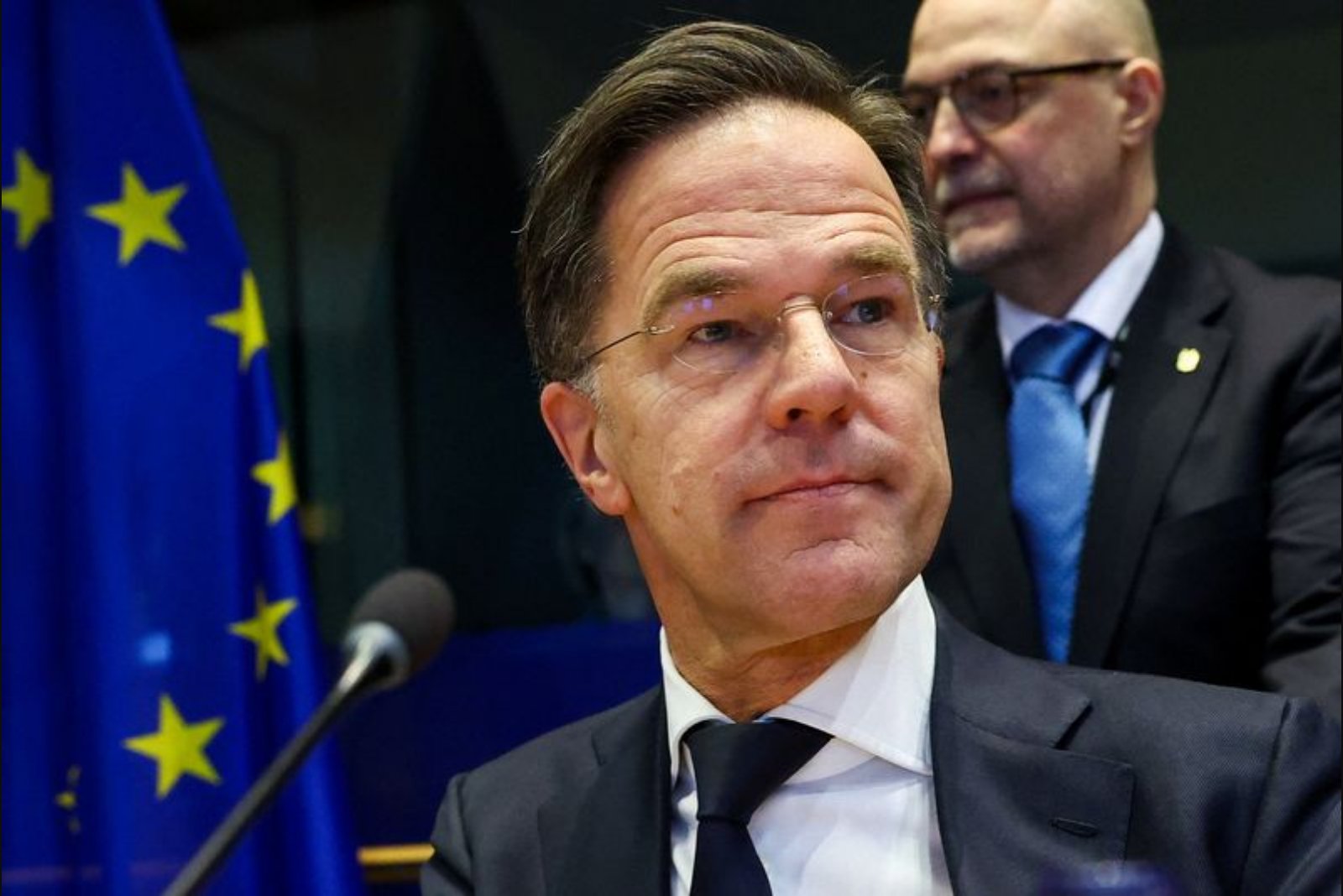
Mark Rutte, speaking to lawmakers in Brussels, pushed back firmly against calls for a European army independent of the U.S.-led NATO alliance, saying advocates should "keep dreaming." The comments came amid heightened debate about transatlantic security after tensions related to U.S. President Donald Trump's suggestions that Denmark cede control of Greenland.
Rutte told the European Parliament that while European nations should continue to "step up to take more responsibility for their own security," they should do so within NATO rather than by creating a separate military structure. He cautioned that a parallel European force would introduce duplication and make the continent's militaries weaker.
Without naming individuals directly, Rutte referenced recent proposals from Spanish Foreign Minister Jose Manuel Albares and European Defence Commissioner Andrius Kubilius, both of whom have in recent weeks raised the prospect of an EU-level force. He said the practical burdens of establishing a separate military capability would be substantial.
"I think there will be a lot of duplication and I wish you luck if you want to do it, because you have to find the men and women in uniform - they’ll be on top of what is happening already," Rutte said. He added that a new European force "will make things more complicated. I think Putin will love it. So think again."
Rutte also highlighted the financial and strategic costs that would accompany a decision to go it alone. He noted that standing up a truly independent defence posture would require expenditures well beyond the 5% of GDP benchmark NATO members have agreed to allocate for defence and security-related investments.
"You have to build up your own nuclear capability - that costs billions and billions of euros. You will lose then, in that scenario ... the ultimate guarantor of our freedom, which is the U.S. nuclear umbrella. So hey, good luck," he warned, underlining that the U.S. remained the ultimate backstop for European security.
The Dutch leader argued that the United States and NATO remain strongly committed to European defence despite the uncertainty sparked by President Trump's comments about Greenland. Rutte framed the appropriate European response as increased responsibility within the transatlantic alliance rather than the creation of a separate military organisation.
Context and implications
Rutte's remarks make clear a preference for strengthening NATO and European contributions inside that framework, rather than pursuing an institutional separation from the alliance. The remarks address both the practical challenges of raising and equipping forces and the strategic risks of losing nuclear deterrence provided by the United States.
His position places emphasis on burden-sharing and capability enhancements among NATO members while warning against duplication and fiscal strain that a separate European army would impose.