
World February 2, 2026

Russia Warns Western Forces Sent to Ukraine Would Be Treated as Legitimate Military Targets

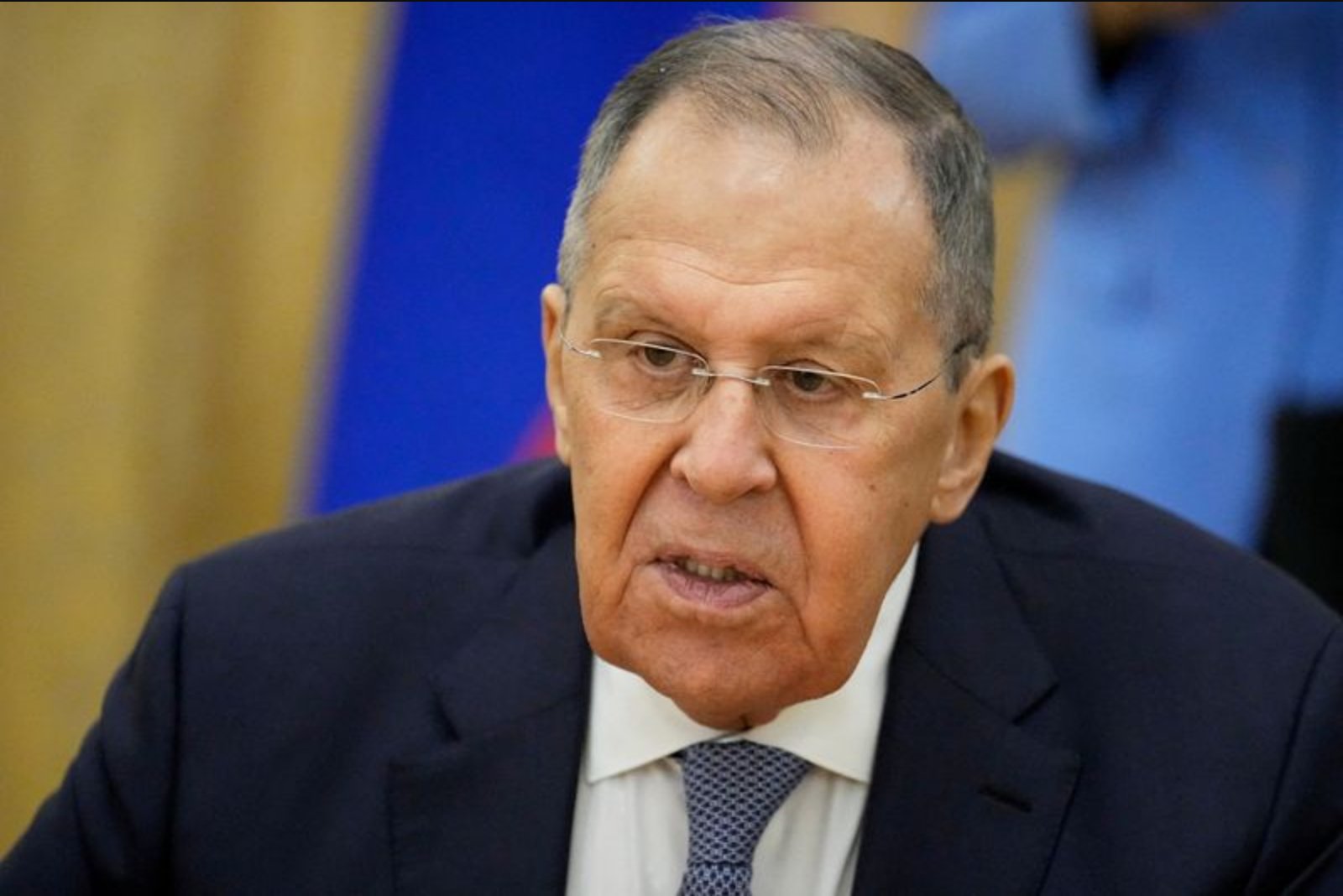
Foreign Ministry, citing Sergei Lavrov, says any deployment of foreign troops or infrastructure in Ukraine constitutes foreign intervention and a direct threat to Russia

By Maya Rios
Russia Warns Western Forces Sent to Ukraine Would Be Treated as Legitimate Military Targets

Russia's Foreign Ministry declared that any stationing of foreign military units or related infrastructure in Ukraine would be considered foreign intervention and targeted by Russian forces. The statement, attributed to Foreign Minister Sergei Lavrov, also expressed approval of U.S. President Donald Trump's efforts to work toward resolving the conflict and acknowledged Washington's grasp of Russia's security concerns related to NATO expansion. Diplomatic talks involving Russian and Ukrainian representatives, convened with U.S. involvement, are scheduled to continue this week in the United Arab Emirates.

Key Points

  • Russia's Foreign Ministry, citing Sergei Lavrov, said any deployment of foreign military units or infrastructure in Ukraine would be treated as foreign intervention and legitimate targets for Russian forces - impacts defense and geopolitical risk assessments.
  • Western discussions about sending troops to help secure a peace deal are explicitly warned against by Moscow; this stance affects diplomatic negotiations and could influence market sentiment in sectors sensitive to geopolitical risk, including defense and commodities.
  • The United States is leading diplomatic talks and a second three-sided meeting with Russian and Ukrainian representatives is scheduled this week in the United Arab Emirates; territorial disputes over Donbas remain a central obstacle to agreement.

MOSCOW, Feb 2 - Russia's Foreign Ministry said on Monday that it would view the deployment of any foreign military forces or supporting infrastructure in Ukraine as foreign intervention and would treat such deployments as legitimate targets, citing comments by Foreign Minister Sergei Lavrov.


The statement, posted on the ministry's website and described as one of several responses to questions directed at Lavrov, framed the presence of Western military units as posing a direct threat to Russia's security. "The deployment of military units, facilities, warehouses, and other infrastructure of Western countries in Ukraine is unacceptable to us and will be regarded as foreign intervention posing a direct threat to Russia’s security," the ministry said.

It added that Western governments - which have discussed the possible deployment of forces to Ukraine as a means of helping to secure any potential peace agreement - must recognize that "all foreign military contingents, including German ones, if deployed in Ukraine, will become legitimate targets for the Russian Armed Forces."

The ministry reiterated Moscow's long-standing stance that it will not tolerate the presence of troops from Western countries on Ukrainian soil. That warning was given in the context of ongoing diplomatic efforts. The United States has taken a leading role in organizing talks aimed at ending the conflict, and a second three-sided meeting involving Russian and Ukrainian representatives is to take place this week in the United Arab Emirates.

However, the question of ceding internationally recognised Ukrainian territory to Russia remains a major barrier to progress. Kyiv has rejected Russian demands that it relinquish its entire Donbas region, including areas that Russian forces have not captured, and that territorial dispute continues to complicate negotiations.

Alongside its security warning, the Foreign Ministry voiced appreciation for what it described as the "purposeful efforts" of the Trump administration to pursue a resolution of the war. The ministry said Washington has demonstrated an understanding of Russia's longstanding concerns about NATO's eastward expansion and of Western overtures toward Ukraine.

In its remarks, the ministry singled out President Trump as "one of the few Western politicians who not only immediately refused to advance meaningless and destructive preconditions for starting a substantive dialogue with Moscow on the Ukrainian crisis, but also publicly spoke about its root causes."

The ministry's comments underscore persistent diplomatic obstacles and the clear risk Moscow associates with any foreign military footprint in Ukraine, even as multilateral talks continue in an effort to find a path toward resolution.

Risks

  • Escalation risk: Moscow's declaration that deployed foreign contingents would be legitimate targets raises the possibility of military confrontation if such deployments occur - a material concern for defense and security sectors.
  • Diplomatic impasse: The core disagreement over ceding internationally recognised Ukrainian territory, including the Donbas region, continues to hinder progress and increases uncertainty for markets and investors monitoring regional stability.
  • Operational risk for international deployments: Any Western plan to station forces or logistics infrastructure in Ukraine could encounter direct opposition from Russia, complicating planning for peacekeeping or stabilization missions and affecting defense contractors and logistical suppliers.

More from World

Queen's University Belfast severs formal links with George Mitchell after release of Epstein-related files Feb 2, 2026 French Government Survives First No-Confidence Motion on 2026 Budget Vote Feb 2, 2026 Federal Judge Stops New Attempt to Bar Unannounced Congressional Visits to Immigration Detention Centers Feb 2, 2026 Who Can Compete in Women’s Events at Milano-Cortina? The Olympics and the Patchwork of Transgender Eligibility Rules Feb 2, 2026 U.S. Olympic hospitality site renamed 'Winter House' after protests over ICE shootings Feb 2, 2026