
MOSCOW, Jan 29 - Russia said on Thursday there remains scope for diplomacy between Iran and the United States and cautioned that military action against Tehran would carry dangerous consequences, potentially sowing chaos across the Middle East.
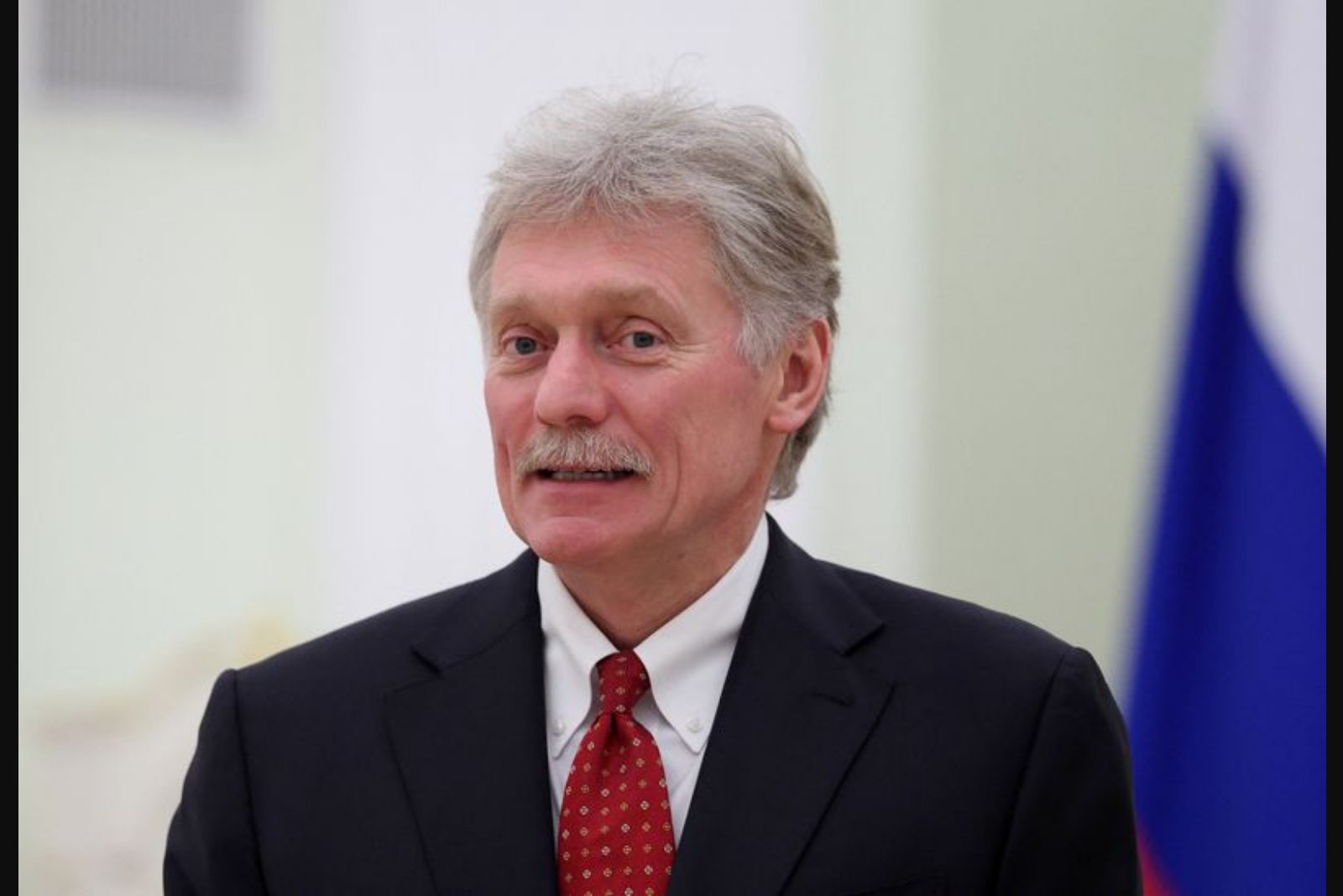
Responding to remarks by U.S. President Donald Trump a day earlier, in which Trump urged Iran to "come to the table and make a deal on nuclear weapons or face a possible U.S. attack," Kremlin spokesman Dmitry Peskov told reporters that Moscow continues to press for restraint.
"We continue to call on all parties to exercise restraint and to renounce any use of force to resolve issues. Clearly, the potential for negotiations is far from exhausted... We must focus primarily on negotiating mechanisms," Peskov said.
He went on to stress Moscow's view of the risks inherent in military action. "Any forceful actions can only create chaos in the region and lead to very dangerous consequences in terms of destabilising the security system throughout the region," Peskov added.
The comments come amid an increasingly close relationship between Russia and Iran since the onset of Russia's war in Ukraine. That partnership was further formalised when the two countries signed a 20-year strategic partnership treaty in January 2025.
Russia's appeal for negotiations and its warning against the use of force underline Moscow's position on the current tensions between Washington and Tehran: favour diplomatic engagement and caution against military options that Moscow says would destabilise regional security structures.
Context and implications
While Peskov's remarks explicitly stress the need to prioritise negotiating mechanisms, they do not lay out specific diplomatic steps or proposals. The spokesman's statement also reiterates Moscow's alignment with Tehran through the recent long-term treaty, signaling a deepening bilateral relationship that Russia identifies as relevant to regional stability concerns.
Summary of key points
- Russia says negotiation potential between Iran and the United States remains and is not exhausted.
- Kremlin spokesman Dmitry Peskov warned any use of force against Tehran would create chaos and pose very dangerous consequences for regional security.
- Russia and Iran have moved closer politically since the start of Russia's war in Ukraine and signed a 20-year strategic partnership treaty in January 2025.
Risks and uncertainties
- Risk of military action: Any use of force against Iran, as referenced by Russia, could trigger widespread instability across the Middle East and heighten security risks.
- Diplomatic uncertainty: Although Moscow states negotiation potential remains, the outcome of any talks between Tehran and Washington is unclear.
- Strategic realignment: The deepening Russia-Iran partnership, embodied in the 20-year treaty, introduces uncertainty about future regional alignments and security calculations.