
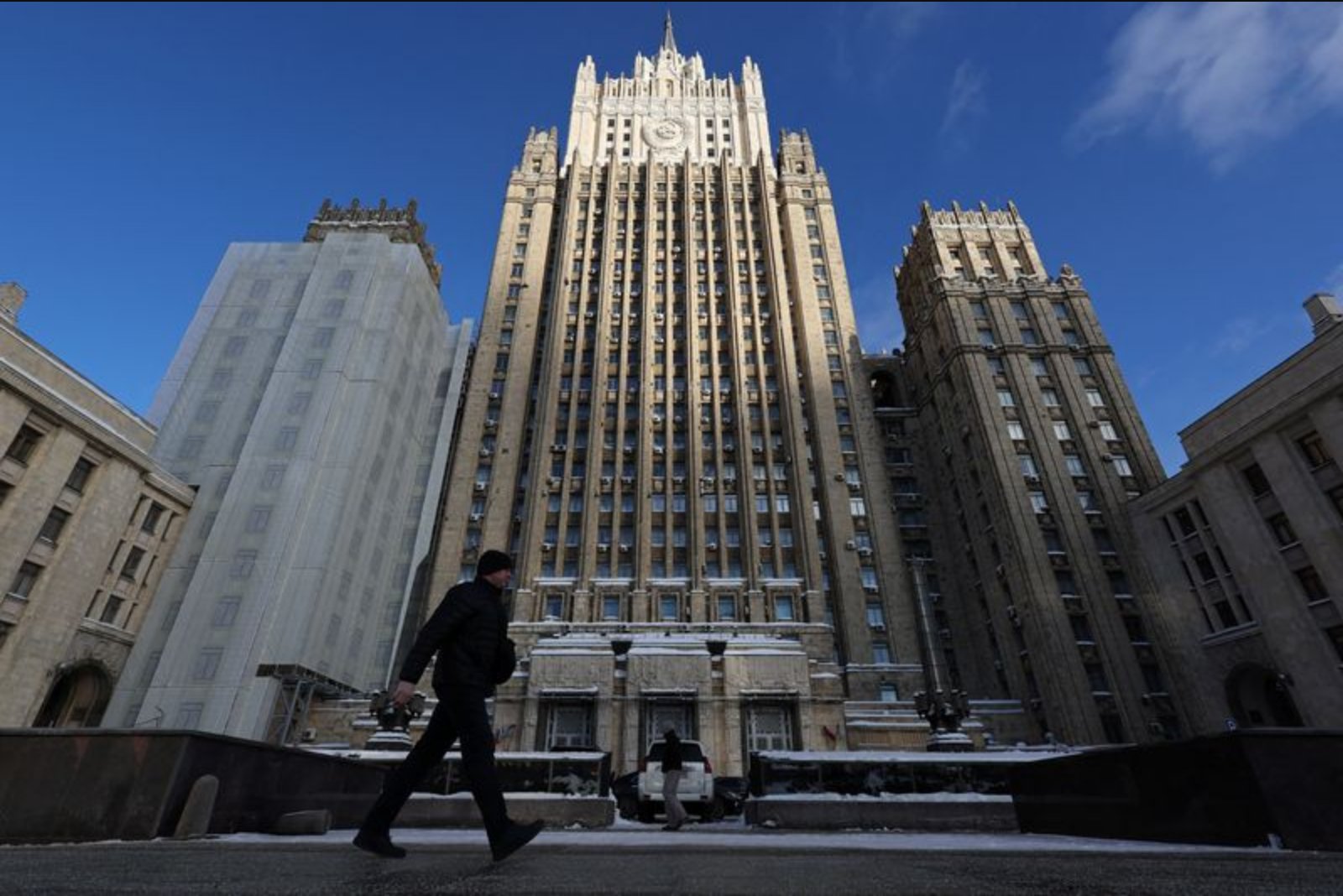
Summary: Russia's Foreign Ministry has advised its nationals against traveling to states that have extradition agreements with the United States, warning of a heightened risk of detention and transfer to U.S. authorities. The advisory cites an increase in what it calls Washington's "punitive justice" since 2022 and accuses U.S. intelligence agencies of using deceptive offers to lure citizens abroad.
In an official travel advisory released on Wednesday, the Foreign Ministry said the "intensity of Washington's punitive justice" has risen since the start of the Russia-Ukraine war in 2022 and warned that Russians extradited to the United States face the possibility of long prison terms. The statement linked this risk to what it described as numerous extraterritorial sanctions aimed at strategic parts of the Russian economy, saying many citizens could unwittingly become targets of U.S. law enforcement and intelligence.
The ministry asserted, without offering supporting evidence or examples in the advisory, that "U.S. intelligence agencies often engage in fraudulent schemes to lure Russian citizens abroad with lucrative commercial or tourist offers". It added that in some cases Russians are detained immediately upon arrival in a third country.
According to the travel warning, the guidance is directed at Russians who "have reasonable grounds to believe they may be subject to criminal prosecution by U.S. authorities", as well as those who appear on U.S. sanctions lists. The advisory named a range of countries it said are most likely to extradite Russian nationals to the United States, including Britain, Switzerland, most members of the European Union, Canada, Australia, Israel, much of Latin America, Liberia, Morocco and several Asian states.
The Foreign Ministry also stated that more than 100 Russian nationals have been transferred to the United States since the 2008 arrest of arms dealer Viktor Bout in Thailand. Bout was subsequently imprisoned in the U.S. for 14 years on charges of arms trafficking, money laundering and conspiring to kill Americans. The advisory noted that he was released in 2022 in a swap for Brittney Griner, a U.S. basketball player who had been detained in Russia for possessing cannabis vape oil.
The travel advisory frames its guidance around the dual concerns of expansive extraterritorial sanctions and alleged deceptive recruitment tactics. It stops short of providing detailed instances or evidence to substantiate those claims in the published notice, while listing specific countries whose extradition arrangements with the U.S. it regards as posing heightened risk for Russian travelers.
Context and implications: The advisory combines a legal warning - focused on extradition risk and potential prosecution - with a cautionary note about alleged intelligence activity. It draws a direct line between extraterritorial sanctions and the increased vulnerability of Russian citizens when traveling to states with U.S. extradition mechanisms.