
DUBAI/WASHINGTON/PARIS, March 28 - Airstrikes and missile exchanges have continued to reverberate across the Gulf region as Israeli and U.S. military actions against Iran persist, and U.S. officials signal a possible near-term conclusion to current operations.
Israel reported it had targeted sites in Tehran while simultaneously defending against missiles it said were launched from Iran. The cross-border violence comes as Secretary of State Marco Rubio told reporters after meeting Group of Seven counterparts in France that Washington was "on or ahead of schedule in that operation, and expect to conclude it at the appropriate time here - a matter of weeks, not months".
A U.S. official said an Iranian strike on a Saudi air base wounded 12 U.S. service members, two of whom were reported to be seriously injured, even as drones and missiles continued to impact locations throughout the Gulf. The hostilities follow a month of U.S. and Israeli strikes on Iran, and the conflict has since expanded across the Middle East.
The fighting has resulted in thousands of deaths and is producing the largest disruption to energy supplies recorded in the current phase of the confrontation, contributing to strains on the global economy and stoking inflation concerns.
Political alignments and regional responses have varied. Israeli authorities said they detected a missile launched from Yemen in the course of operations. Yemen's Iran-aligned Houthi movement, which had earlier disrupted commercial shipping with missile attacks, has so far not been active in the Iran-centered fighting. The Houthis announced they would consider military intervention under certain conditions, including if additional allies joined the U.S. and Israel in the conflict or if the Red Sea were used as a corridor to launch strikes on Iran.
In Washington, Rubio argued that countries which benefit from trade through the Strait of Hormuz - the narrow waterway heavily affected by the confrontations - should assist efforts to secure free passage. He also said the U.S. could meet its objectives without deploying ground forces, while acknowledging that some troops had been sent to the region "to give the president maximum optionality and maximum opportunity to adjust the contingencies, should they emerge".
Two contingents of thousands of Marines have been dispatched to the area, with the first group expected to arrive in the coming days aboard a large amphibious assault ship. The Pentagon is also anticipated to send thousands of elite airborne soldiers. These deployments have prompted concern among observers that the conflict could evolve into a prolonged ground campaign.
The widening conflict has already affected financial markets and energy benchmarks. Stock exchanges fell sharply as Brent crude surged above $112 a barrel - a price more than 50% higher since the onset of the strikes on Iran. In the United States, where rising fuel costs pose political risks, diesel prices in California reached a record average high of $7.17 per gallon, according to the American Automobile Association.
Against this backdrop of military escalation, President Donald Trump framed the diplomatic and alliance implications of the crisis in stark terms at an investment forum in Miami. He criticized traditional allies for their response to the conflict, saying: "We would have always been there for them, but now, based on their actions, I guess we don’t have to be, do we? Why would we be there for them if they’re not there for us? They weren’t there for us." His remarks highlighted tensions within Western alliances over involvement in the Iran confrontation and raised questions about mutual support commitments under the North Atlantic Treaty Organization.
Meanwhile, diplomatic overtures and military timelines ran in parallel. The president emphasized what he described as productive negotiations toward a diplomatic resolution and, at the same time, extended a 10-day deadline for Iran to reopen the Strait of Hormuz before threatening attacks on its civilian energy infrastructure.
Hostilities on the ground in Iran have included lethal strikes on civilian and academic sites. Iranian media reported that at least five people were killed and seven injured after a U.S.-Israeli strike hit a residential unit in Zanjan in Iran's northwest. Media accounts also said the Iran University of Science and Technology in Tehran was struck. Iranian Foreign Minister Abbas Araqchi posted on X that, in coordination with the U.S., Israel had also attacked two steel factories and a power plant, and he warned that Iran would "exact HEAVY price for Israeli crimes," adding that the strikes contradicted what he described as an extended diplomatic deadline.
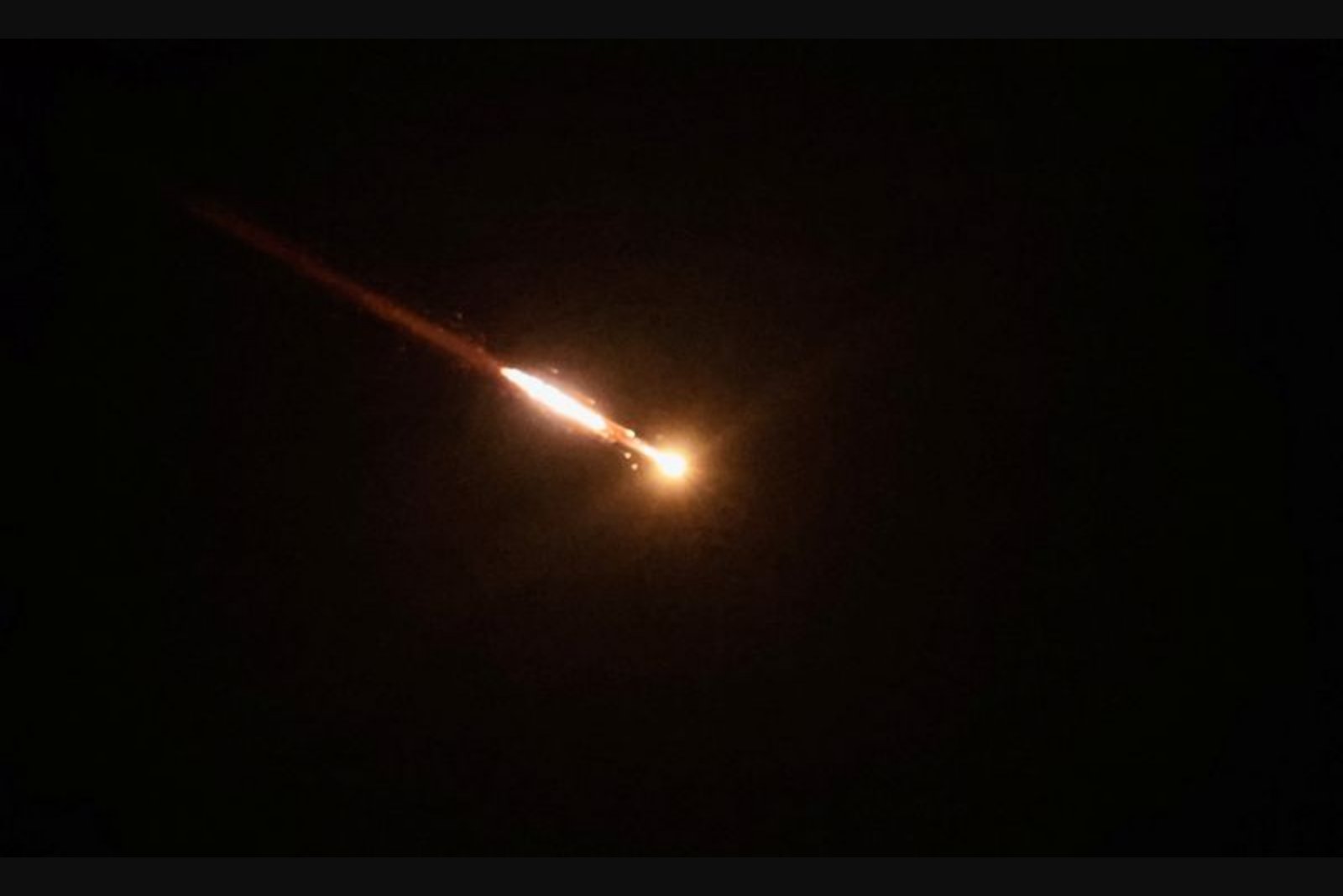
Regional capitals reported multiple missile alerts and explosions. Israel's military said it had detected inbound missiles from Iran, and Syrian state television reported explosions over Damascus that it attributed to Israeli interceptions of Iranian missiles. The United Arab Emirates and Bahrain also reported missile attacks early on Saturday.
The situation remains fluid. Military operations persist across multiple fronts in the Gulf and the broader Middle East, while political and economic fallout - from alliance strains to surging energy prices and volatile markets - continues to unfold. Leaders on both sides have issued public statements emphasizing both operational objectives and warnings, and the risk of further escalation and wider disruption is a central concern among officials and analysts watching the conflict.