
World January 30, 2026

Rohingya Survivors Anticipate ICJ Finding of Genocide Against Myanmar

A decision expected within months could reverberate across international legal efforts, survivors and advocates say

By Jordan Park
Rohingya Survivors Anticipate ICJ Finding of Genocide Against Myanmar

Rohingya survivors of Myanmar's 2017 military campaign say they expect the International Court of Justice (ICJ) in The Hague to find that Myanmar committed genocide. The court heard three weeks of testimony and legal argument, and a judgment is due within three to six months. The case, brought by Gambia, has implications beyond Myanmar, including potential effects on other genocide litigation at the ICJ.

Key Points

  • Rohingya survivors expect the International Court of Justice in The Hague to find Myanmar committed genocide following three weeks of hearings; a judgment is expected in three to six months - sectors impacted include international law and diplomatic relations.
  • Gambia, described as a mainly Muslim country, brought the case and argued Myanmar intended to destroy the Rohingya; Myanmar denies genocide and says the 2017 offensive was a counterterrorism operation - sectors impacted include legal services and geopolitical risk assessment.
  • The U.N. fact-finding mission reported "genocidal acts" and survivors recounted killings, mass rape and arson; Myanmar counters that the fact-finding mission was biased and lacked the necessary standard of proof - sectors impacted include humanitarian aid and human rights advocacy.

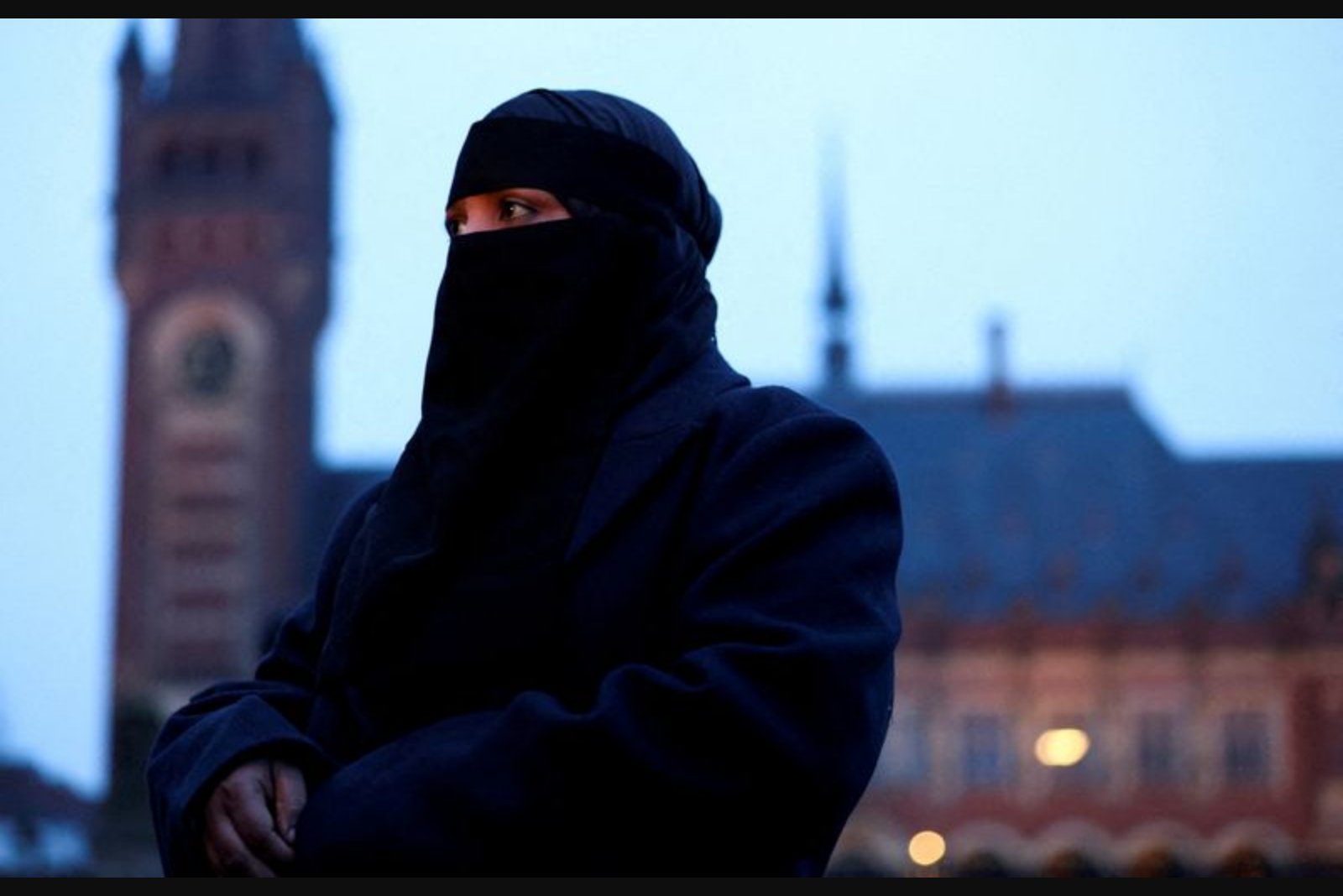
THE HAGUE - Rohingya who survived the 2017 military operations in Myanmar said on Friday they expect the United Nations' top judicial body, the International Court of Justice, to conclude that acts of genocide were committed against their community.

The court conducted three weeks of hearings in The Hague - also referred to as the World Court - and a ruling is anticipated in three to six months. Observers and participants say the outcome may extend beyond Myanmar, with potential repercussions for other cases before the court, including South Africa's genocide case against Israel linked to the war in Gaza.

The case and final submissions

The proceedings were brought by Gambia, a country described as mainly Muslim, which argued in its final submissions that Myanmar's conduct leaves only one reasonable conclusion: an intent to destroy the Rohingya as a group. Gambia's legal team urged the court to find that the actions met the legal threshold for genocide.

Myanmar has consistently rejected allegations of genocide. Its legal representatives maintained at the ICJ that the 2017 offensive - which forced at least 730,000 Rohingya to flee their homes for neighbouring Bangladesh - was a legitimate counterterrorism operation rather than an effort to destroy the group.

Voices of survivors and findings cited

Speaking on the sidelines of a meeting of survivors of mass atrocities, Yousuf Ali, a 52-year-old Rohingya refugee who said he was subjected to torture by the Myanmar military, expressed confidence that the court would recognise genocide. He said:

"The world has witnessed us suffering for so many years (... ) how we were deported, how our homes were destroyed and we were killed,"

A United Nations fact-finding mission earlier concluded that the 2017 offensive included "genocidal acts," and survivors provided testimony detailing killings, mass rape and arson during the campaign.

At the ICJ, Myanmar's lawyers challenged the credibility and impartiality of that fact-finding mission, arguing that its conclusions did not meet the evidentiary standard required for a legal finding of genocide.

Gambia's Justice Minister Dawda Jallow asked the court to dismiss those challenges and argued that a judgment declaring genocide would contribute to breaking Myanmar's "cycle of atrocities and impunities" by holding the state accountable through the court's ruling.

Broader implications

Participants noted that the court's ruling will carry consequences beyond the immediate parties, potentially influencing other international litigation and diplomatic responses tied to allegations of genocide. Until the court issues its decision, the precise legal and political outcomes remain subject to the judgment delivered in the coming months.

Risks

  • Uncertainty in the ICJ's ruling creates legal and diplomatic ambiguity until a judgment is issued in three to six months - this could affect international legal strategies and geopolitical risk assessments.
  • Conflicting narratives - Gambia's allegations and the U.N. fact-finding mission's conclusions versus Myanmar's denial and challenge to the evidence - leave open the risk of contested interpretation of the court's future decision, influencing legal precedents and international responses.
  • Potential spillover effects on other cases at the ICJ, such as South Africa's genocide case against Israel, create uncertainty for international litigation strategies and diplomatic relations pending the court's judgment.

More from World

Greenland’s premier says U.S. still aims for control despite ruling out military action Feb 2, 2026 Kremlin says Russia has long offered to process or store Iran’s enriched uranium Feb 2, 2026 Long-Awaited Rafah Reopening Prompts Hope and Anxiety Among Palestinians Stranded Across Border Feb 2, 2026 Rafah Reopens but Core Questions Persist Over Implementation of Trump’s Gaza Blueprint Feb 2, 2026 Rafah Crossing Reopens on Foot with Strict Limits as Gaza Remains Under Strain Feb 2, 2026