
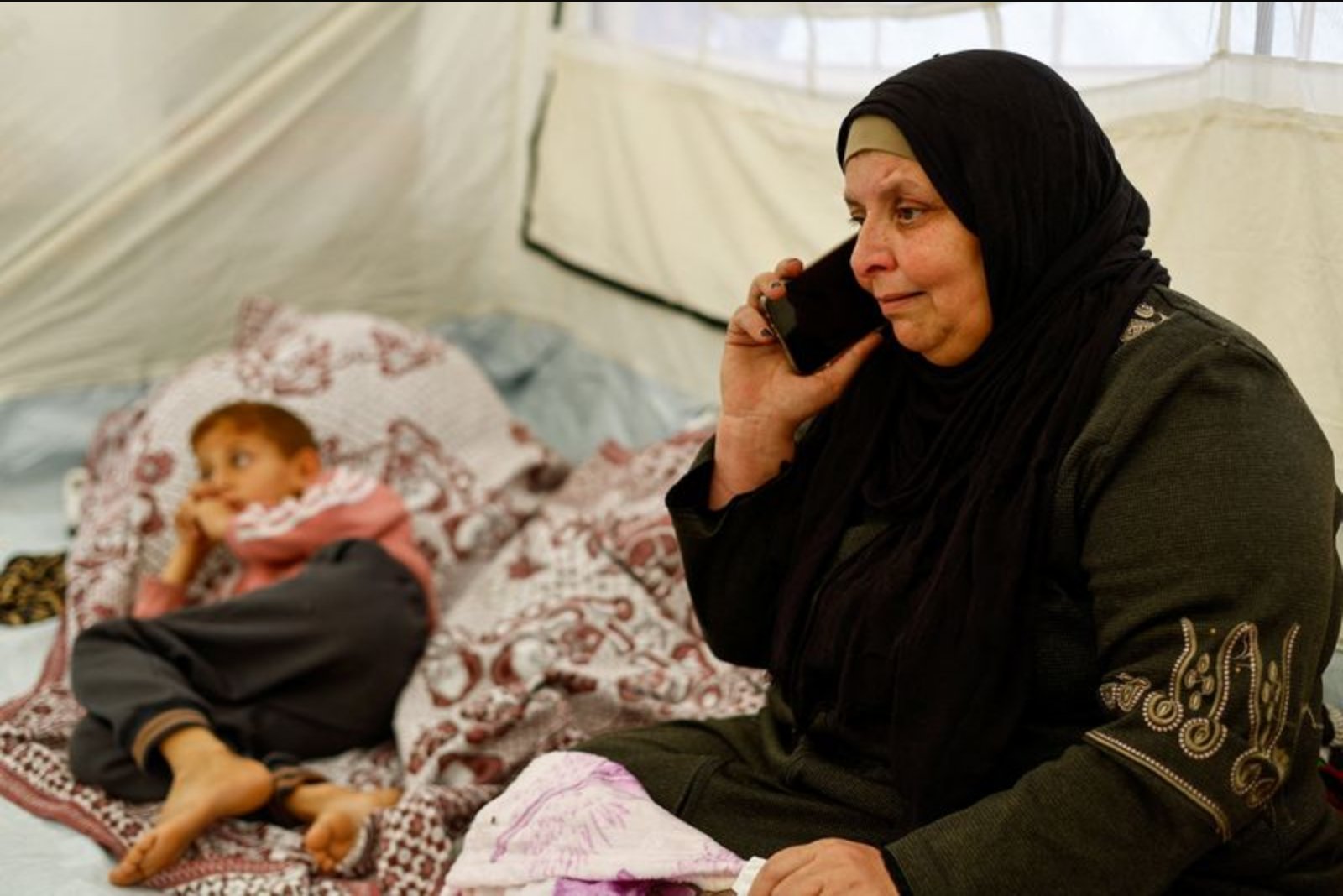
Palestinian women who were permitted to return to Gaza after the delayed reopening of the Rafah crossing as part of last year’s ceasefire have described a distressing process of detention and interrogation after crossing into the enclave. The women, who arrived from Egypt on Monday, said they were blindfolded, handcuffed and questioned by Israeli personnel after being processed through a zone controlled by Israeli forces and a Palestinian militia allied with Israel.
One of the women, 56-year-old Huda Abu Abed, spoke by phone from a tent where her family is living in Khan Younis in southern Gaza. She described the experience as "a journey of horror, humiliation and oppression." Her account was corroborated by another woman Reuters interviewed and by a third woman who spoke on Arab television.
Authorities had expected about 50 Palestinians to enter Gaza on Monday, but by nightfall only three women and nine children had been allowed through, according to Palestinian and Egyptian sources. Another 38 people remained waiting to complete security checks. Separately, of 50 people who had been waiting to leave Gaza, mostly for medical treatment, only five patients and seven relatives succeeded in crossing into Egypt on Monday.
Abu Abed said difficulties began at the crossing itself, where she said European border monitors confiscated toys she had been taking home as gifts. She explained she had spent a year in Egypt for heart treatment but returned to Gaza before completing treatment because she missed her family. She also said one of her adult children had traveled to Egypt for medical care, another adult son was killed in December 2024 and she was unable to say goodbye to him. Two other children remain in Gaza.
After clearing the crossing and entering Gaza, the 12 returnees boarded a bus to travel through an Israeli-controlled zone and across the so-called "yellow line" demarcating Israeli and Hamas-held areas. A second returnee, 41-year-old Sabah al-Raqeb, said the convoy was stopped at a checkpoint manned by Israel-backed Palestinian gunmen who identified themselves as members of the Popular Forces - commonly called the Abu Shabab militia.
Raqeb said family names were announced over a loudspeaker. She and Abu Abed said each returnee was then led by two men and a woman from the Abu Shabab militia to a security point where Israeli forces were waiting. Both women said they were blindfolded and handcuffed and subjected to questioning about their knowledge of Hamas, the October 7, 2023 attack on Israel that precipitated the war, and other matters related to militancy.
Raqeb recounted that the Palestinian gunmen who screened the bus passengers told some they could remain temporarily within the Israeli-held zone. She quoted an officer who asked why she had returned to Gaza, saying the officer told her the area had been destroyed. "I told him I came back for my children and family," Raqeb said. She has returned to her seven children who are living in a tent after she left Gaza two years ago for what she expected to be a brief medical trip.
Abu Abed said the questioning by the Israeli forces lasted more than two hours.
In response to requests for comment, Israeli military officials denied that their forces had committed any inappropriate actions or mistreated Palestinians crossing into Gaza. The military statement did not directly address the specific allegations described by the women. The statement said there were no known incidents of inappropriate conduct, mistreatment, apprehensions or confiscation of property by the Israeli security establishment. It added that an identification and screening process takes place at the "Regavim" screening facility, which is managed by the security establishment in an area under Israeli military control, and that this follows screening by European personnel under a mechanism agreed by all parties.
The Rafah crossing is the only route in or out for nearly all of Gaza’s more than 2 million inhabitants, and it has been closed for the majority of the war. The crossing was intended to be reopened in the first phase of the ceasefire reached in October. Rafah city, which once housed about a quarter of a million people, was nearly emptied during the conflict after residents were ordered to leave and extensive demolitions left much of the area in ruins.
After Israeli troops pulled back to the yellow line in October, Israel retained a security cordon around Rafah. The Popular Forces also operate in this cordon. The militia’s leader, Yasser Abu Shabab, was killed last year; since his death the group has been led by his deputy, Ghassan Dahine. Dahine was quoted on Ynet as saying that the Fifth Unit under his command will play an important security role regarding entry and exit through the Rafah crossing.
Interest in travel through Rafah for medical reasons remains high. Some 20,000 Gazans are hoping to leave for medical treatment abroad, according to the reporting. While the reopening has proceeded slowly and in limited numbers, many seeking treatment said they were relieved by the development. An Egyptian source said that on Tuesday, 50 Palestinians were expected to cross into Gaza from Egypt.
Contextual note - The accounts reported here reflect the experiences and statements of the returnees and the responses from military authorities and other sources cited in the reporting. Where information was limited - for example, regarding the fate of property beyond the toys mentioned by Abu Abed or the whereabouts of those still waiting to cross - this article reports what was said by the people and organizations included in the source material.