
Orna Weinberg was driven from her home on Israel's northern frontier after a Hezbollah rocket struck in October 2023. The 59-year-old spent the following two years away from the tight-knit community that sits only metres from the Lebanese border. She described the period of displacement as "pretty tough," and said the losses were not limited to damage to property: many elderly residents of her community died while they were away, including her mother-in-law and her uncle.
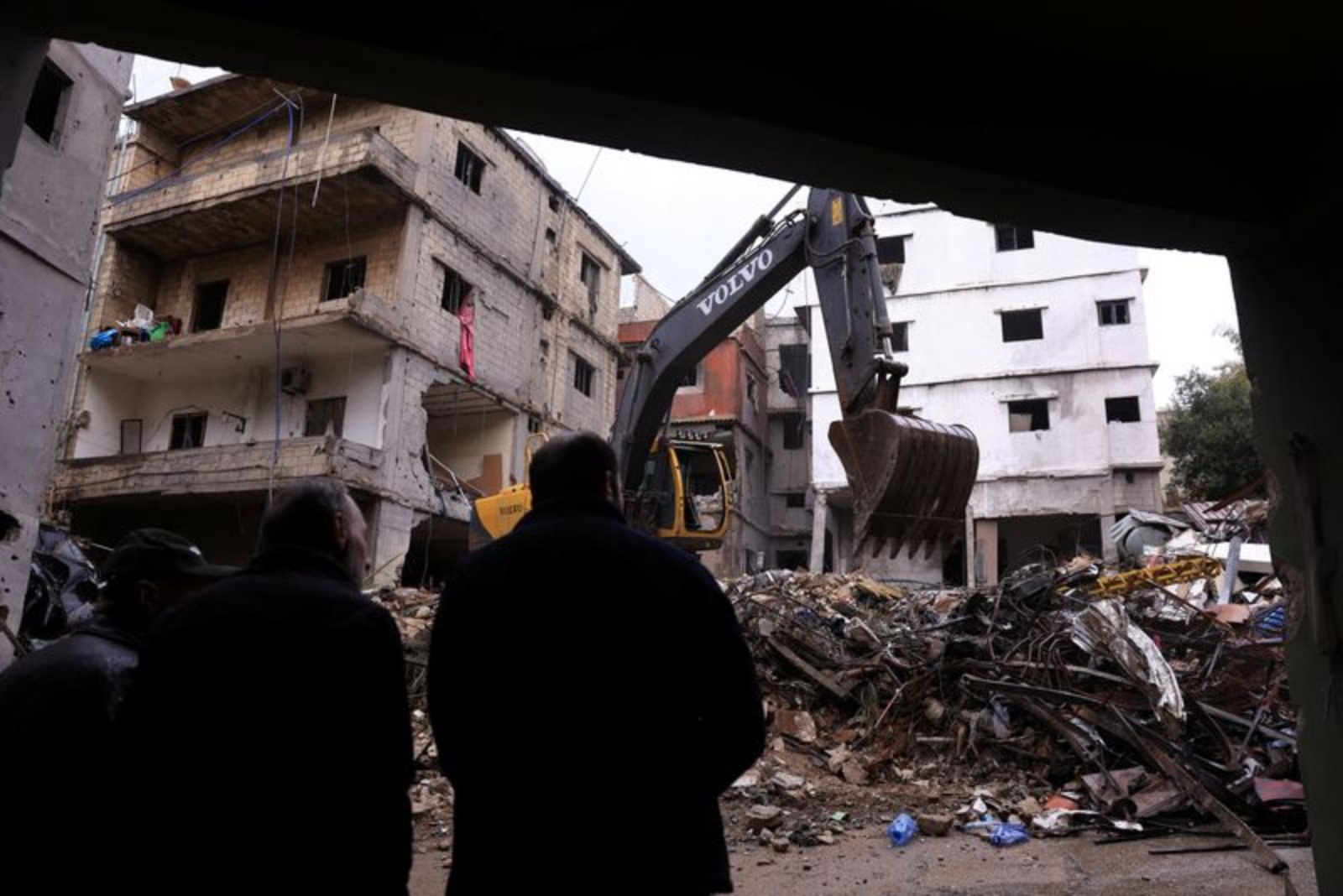
"The day we had electricity, and we could put a mattress in, we got back, and we started fixing the house from inside out," Weinberg recalled. The repair work has now been stopped because it is not safe to continue. Nearby houses in the kibbutz are slated for demolition after sustaining damage from Hezbollah rockets during more than a year of cross-border fighting that ran in parallel to the Gaza war.
Manara, the small kibbutz where Weinberg lives, was founded in 1943 by Jewish immigrants to British-controlled Mandatory Palestine. Its location leaves Lebanese villages clearly visible from the community's edge, a stark reminder of its vulnerability to rocket fire. Israeli artillery strikes into Lebanon often echo in the distance.
Residents in Manara and other northern communities face a much shorter window to reach bomb shelters when rockets are fired from Lebanon than people in central cities such as Tel Aviv or Jerusalem. In many cases, warning sirens come only after a rocket has already struck, leaving only seconds to find cover.
Weinberg said she returned to her home last October, and now she and other residents have vowed they will not leave again. "We will never, ever leave this place again," she said.
The recent flare-up of hostilities has brought the northern communities back under threat. Since March 2 of this year, Hezbollah has been firing rockets in support of Iran, and two people in Israel have been killed in those attacks. The Israel-Hezbollah fighting had subsided after a 2024 ceasefire, but the new rounds of rocket fire mark a renewed security challenge for residents who had only recently resettled.
Hagoshrim, another kibbutz roughly two kilometres from the Lebanese border, has also seen residents decide to remain despite the danger. The community suffered a fatality in 2024 when a neighbour was killed by Hezbollah rocket fire. Dror Gavish, 42, who lives in Hagoshrim with his wife and three children, described the threat as frightening but said the family preferred to stay rather than evacuate. "We are here and we’re not going to go anywhere," he said.
Government policy has differed markedly across the border. Israel's leaders have made clear that no residents of the north will be forced to evacuate. That contrasts with actions inside Lebanon, where Israel has ordered hundreds of thousands of people to flee and has conducted a military offensive that displaced more than 1.2 million people, saying it targets areas used by Hezbollah to launch attacks.
After the October 7, 2023 attack by Hamas in southern Israel, many northern residents initially fled in fear that Hezbollah might stage a similar assault. Tens of thousands received government assistance to stay in temporary accommodation across the country, and many have still not returned. This time, officials have not offered to fund hotel stays for northerners until hostilities subside. Instead, they have pledged to seize territory inside Lebanon to reduce Hezbollah's ability to threaten communities with short-range fire.
Weinberg and other residents voiced criticism of Prime Minister Benjamin Netanyahu's government. Many Israelis, she said, want an investigation into the failures that led to the October 7 attack, which killed close to 1,200 people. Weinberg said two of those killed were her relatives and that another relative was abducted to Gaza and later killed.
Netanyahu has rejected personal responsibility for the security failures and has resisted calls for an independent inquiry. The prime minister has supported an inquest in which the government would appoint half of the members. "I don’t think the government are our saviours, and I don’t expect them to be," Weinberg said. She added that Israel’s government should pursue peace with its neighbors rather than wage war.
Gavish, reflecting a similar distrust, said that while he sees Iran as a serious threat, he does not trust the current government to act in Israel's best interests. He said he hopes elections later this year will deliver a government more focused on diplomacy, including efforts to secure peace with Lebanon. "I really believe things here can be much better for us," he said.
The situation on Israel's northern edge remains fragile. Homes and community life are damaged and disrupted, debates over government responsibility and the proper course of action continue, and residents face the ongoing and immediate risk posed by cross-border rocket fire. For people like Weinberg and Gavish, the choice to stay reflects a determination to rebuild and a desire for a different political path that they believe could make life more secure and stable in the years ahead.