
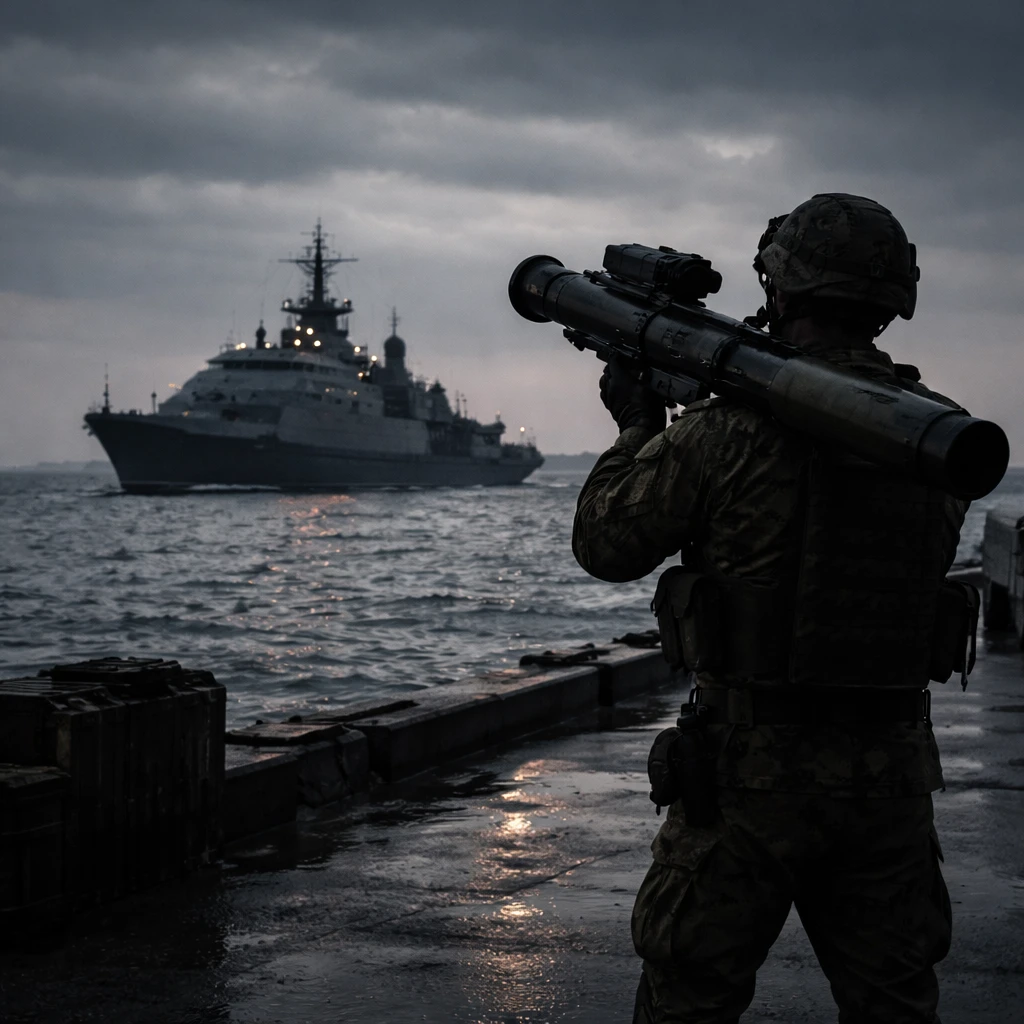
A report published Sunday says Iran and Russia have reached a secret arms agreement valued at 500 million euros to supply thousands of advanced shoulder-fired missiles. The arrangement is said to have been signed in Moscow in December and obliges Russia to deliver 500 man-portable "Verba" launch units and 2,500 "9M336" missiles over a three-year period.
According to the reporting, the commitment would be fulfilled in three tranches, with deliveries scheduled from 2027 through 2029. The negotiations are described as having taken place between the Russian state arms exporter Rosoboronexport and the Moscow representative of Iran’s Ministry of Defense and Armed Forces Logistics (MODAFL). The same reporting notes that Tehran formally requested these systems last July, as documented in a contract that was reviewed by those covering the deal.
The sourcing for the account included leaked Russian documents and several people familiar with the arrangement. The report also states that the details could not be immediately verified.
The report situates the pact against a backdrop of recent military activity and claims about Iran’s military infrastructure. It states that in June last year U.S. forces struck Iran’s three main nuclear sites as the country joined Israel’s military campaign against Iran, and that President Donald Trump said Iran’s key nuclear facilities were destroyed in the attack. The report adds that at the time a preliminary U.S. intelligence assessment concluded the airstrikes did not destroy Iran’s nuclear capability and only set it back by a few months.
Iranian officials are reported to have repeatedly said Tehran had recovered from the damage incurred during the war and that its capabilities are better than ever. The report also notes that Russia and Iran are bound by a strategic partnership treaty, which does not include a mutual defence clause.
Earlier in February, a Russian naval corvette is reported to have conducted manoeuvres with the Iranian navy in the Gulf of Oman, according to statements attributed to Russia’s Defence Ministry. The piece of reporting includes a currency conversion reference: $1 = 0.8489 euros.
This account draws on documents and people familiar with the agreement and highlights the timetable and contractual counterparts involved. The reporting emphasises that independent verification of the claims was not immediately available.