
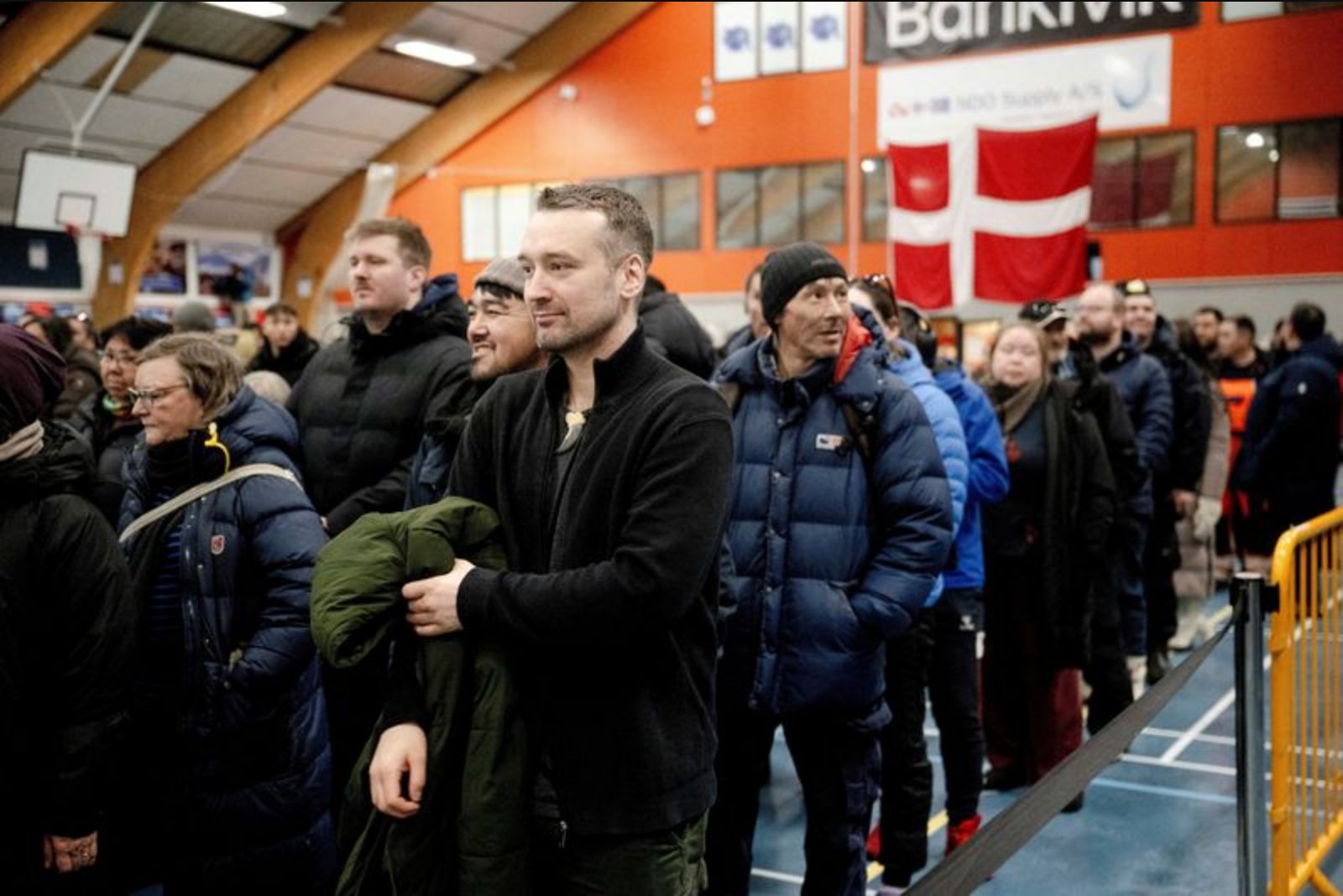
Election result and context
Greenland’s pro-independence Naleraq party secured its first seat in the Danish general election held on Tuesday, winning 24.6% of the vote in Greenland - a substantial rise from the 12.2% it received in 2022. The victory sends a representative to the 179-seat Danish parliament, where two seats are reserved for Greenland and two for the Faroe Islands. The development comes amid intensified international focus on the island following efforts by U.S. President Donald Trump to exert influence over Greenland.
Who will represent Greenland in Copenhagen
Qarsoq Hoegh-Dam, who topped the personal vote count in Greenland, will occupy Naleraq’s seat in parliament. Hoegh-Dam described the result as a strong rebuke to the existing arrangements between Greenland and Denmark, saying, "It is a very clear signal that the status quo is not acceptable." He pledged to press for Greenland to be included in all discussions that affect its future.
Stance on military infrastructure
Hoegh-Dam reiterated his party’s opposition to placing military infrastructure within Greenlandic towns, arguing that defence installations in civilian areas could make those communities targets. That position contrasts with debates over the level and location of defence presence on the island.
Other Greenlandic representation
The second Greenlandic seat in the Danish parliament was won by Inuit Ataqatigiit (IA), which emerged as the largest party in Greenland. Naaja Nathanielsen, Greenland’s current Mineral Resources and Business Minister, is set to take that seat. Nathanielsen did not respond to requests for comment.
Domestic political dynamics
Within Greenland, the governing coalition led by Demokraatit supports a pragmatic, long-term approach to independence that keeps Denmark as an essential partner. Naleraq’s push for quicker independence sharpens divisions in Greenlandic politics. Siumut, a major coalition party, recently withdrew from Greenland’s government, weakening the administration’s ability to present a united stance toward external pressures.
Voices and interpretations
Arctic affairs commentator Martin Breum said that Hoegh-Dam’s win signals that many Greenlanders seek changes in their cooperation with Denmark, but he noted that Naleraq’s pro-independence agenda should not be conflated with the official position of Greenland’s government. Greenland’s Prime Minister Jens-Frederik Nielsen, who took office last year, has moved to reinforce ties with Denmark in response to recent events and said in January he would side with Copenhagen rather than Washington on key matters.
International spotlight
The election result arrives against a backdrop of heightened attention on the Arctic island of about 57,000 people. External interest has amplified long-standing questions regarding the scale of Danish investment in defence, infrastructure and broader economic development across Greenland.
Key takeaways
- Naleraq’s electoral gain places a pro-independence voice in the Danish parliament at a sensitive geopolitical moment.
- The two Greenlandic seats in Copenhagen will be held by Naleraq and Inuit Ataqatigiit, with Naaja Nathanielsen set to occupy the IA seat.
- Political fragmentation in Greenland, including Siumut’s withdrawal from government, complicates a cohesive policy response to external pressures.