
President Donald Trump has officially ruled out military force as an option to acquire Greenland, a strategic Arctic territory currently governed by Denmark. This resolution concludes weeks of internal discord within the White House and a series of public threats that unsettled U.S. allies. According to two sources familiar with these discussions, senior aides actively worked to both align with the president's objectives and mitigate international concerns caused by threatening rhetoric.
During remarks delivered at the World Economic Forum in Davos, Switzerland, Trump explicitly dismissed the use of military action in relation to Greenland. Likewise, he announced in a social media statement the cancellation of tariffs he had previously suggested imposing on certain European Union nations starting February 1. These developments followed persistent debates among top U.S. officials about the appropriate approach to securing interests in the Arctic.
Several prominent members within Trump's administration opposed the idea of forcibly acquiring Greenland, favoring diplomatic negotiations instead. The White House sources, who requested anonymity due to the sensitivity of the matter, conveyed that such internal disagreements illustrate the complexity of balancing aggressive policy instincts with geopolitical realities.
On the same day as his public statements, Trump revealed that discussions in Davos with NATO Secretary-General Mark Rutte laid groundwork for a future deal encompassing Greenland and broader Arctic cooperation. He subsequently empowered senior officials to negotiate terms that would ostensibly bolster U.S. strategic interests in the region.
The renewed focus on Greenland highlights Trump's longstanding interest in securing the island, a key asset amid increasing great-power competition in the Arctic. Yet, his ambitions have been met with consistent opposition from Greenlandic and Danish leaders, who insist that the territory's future decisions belong to its residents and have criticized U.S. measures as coercive.
In a provocative social media post the prior weekend, Trump threatened escalating tariffs against European allies to pressure acceptance of a Greenland purchase—a move disparaged by influential European Union members as blackmail. Sources within the administration identified Commerce Secretary Howard Lutnick and other cabinet officials as proponents behind the tariff strategy, although Lutnick did not comment on these reports.
These tariff threats coincided with European countries deploying limited military personnel to Greenland in a symbolic show of concern over Arctic security, further intensifying diplomatic tensions.
As the Davos forum approached, European leaders amplified their objections to U.S. acquisition ambitions, placing the White House under increased pressure. A senior White House source remarked that Trump's threat to use tariffs reflected his aversion to feeling cornered diplomatically, triggering an urgent internal effort to devise a coherent tariff policy and assess retaliatory risks involving EU members. This analysis remains ongoing.
Regarding U.S.-Greenland relations, Danish embassy officials declined to comment for this report.
Trump originally broached the idea of acquiring Greenland in 2019 but escalated his pursuit after his recent presidential inauguration. Despite reassurances to Danish counterparts last year about stabilizing relations and de-escalating military intentions, the December announcement appointing Louisiana Governor Jeff Landry as special envoy rejuvenated the administration's assertiveness, fostered in part by successful U.S. actions in Venezuela.
While the administration shared a unified goal toward acquiring Greenland, divisions persisted over Trump's aggressive tactics. In recorded White House meetings, more officials advocated restraint rather than endorsing military seizure. Both Tom Dans, head of the U.S. Arctic Research Commission, along with Vice President JD Vance and Secretary of State Marco Rubio, promoted moderate policies. Conversely, Deputy Chief of Staff Stephen Miller remained open to annexation and potential forceful measures, reflecting intra-administration tension.
Requests for comment from Dans, Miller, and Vance yielded no immediate responses. A State Department spokeswoman acknowledged that Secretary Rubio and others regularly present Trump with various options on significant national matters, emphasizing that ultimate decision-making rests with the president, who had been instrumental in advancing the Greenland issue.
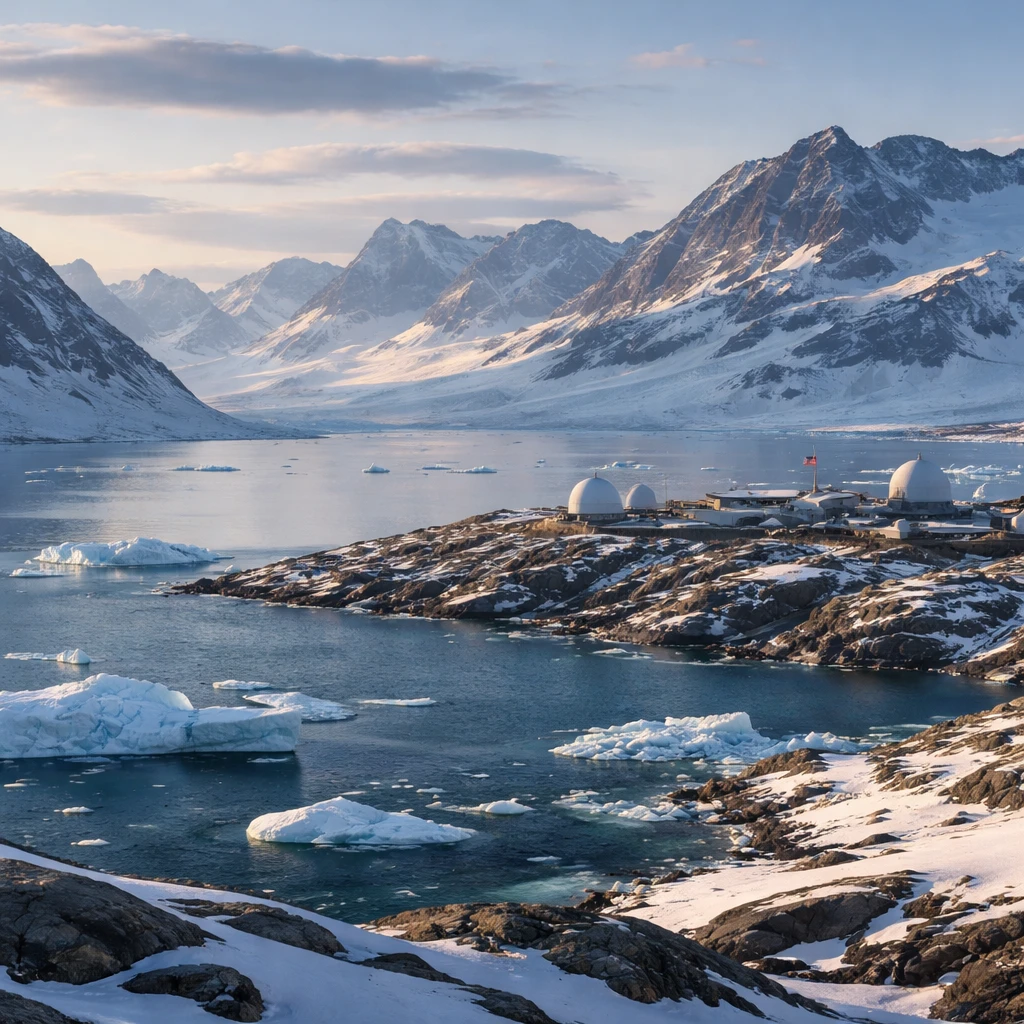
The exact nature of any contemplated military operation in Greenland remains undisclosed. Notably, Greenland is a Danish territory integrated into NATO, housing a current U.S. military installation. Formal agreements dating back to 1951 grant the U.S. military access to the territory for defense purposes, providing a legal framework to deploy additional forces if deemed necessary.
Recent diplomatic engagements have included meetings at the White House last week, where Vice President Vance and Secretary Rubio convened with Danish and Greenlandic foreign ministers. Denmark's Foreign Minister Lars Lokke Rasmussen described these discussions as frank yet constructive. Importantly, military intervention was not a focal point during this dialogue, which concentrated on negotiating mutually acceptable solutions despite contrasting positions.