
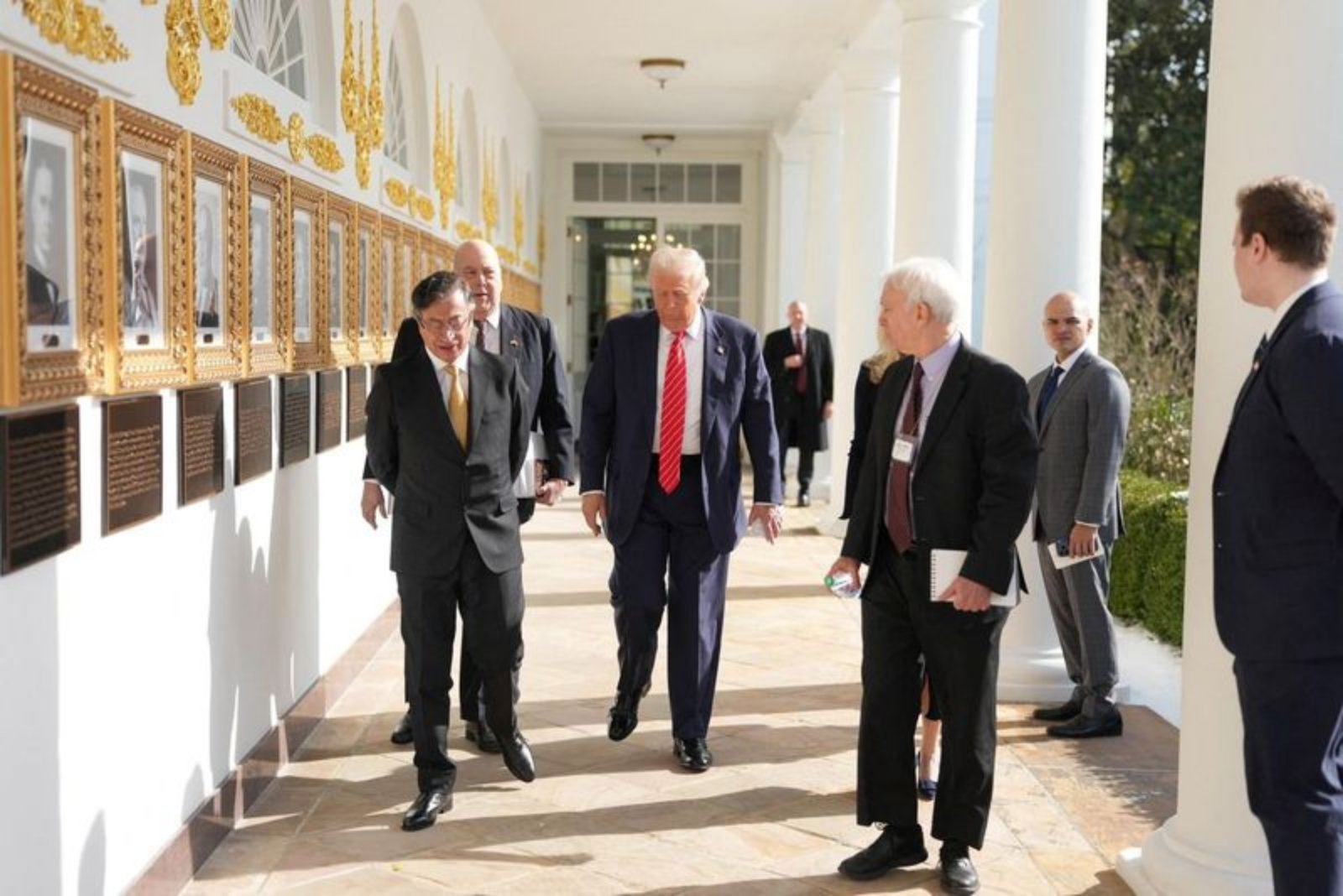
BOGOTA, Feb 3 - Colombian President Gustavo Petro said in an interview with Caracol radio that his recent meeting with U.S. President Donald Trump covered three main topics: the potential transit of Venezuelan natural gas via Colombia, efforts to counter drug trafficking, and the bilateral tensions between Colombia and Ecuador over trade and narcotics.
Petro reported that the conversation touched on logistical possibilities for exporting Venezuelan gas through Colombian territory. He said the leaders also spoke about measures to fight the flow of illicit drugs and the specific dispute between Colombia and Ecuador tied to trade and drug issues.
The two presidents have been at odds since Trump began his current term. According to Petro's comments, the U.S. leader has repeatedly accused the Colombian government - without presenting evidence - of facilitating a steady flow of cocaine into the United States. Trump has also taken punitive steps against Petro, imposing sanctions on the Colombian president and raising the prospect of military action against Colombia.
Petro, for his part, has publicly criticized U.S. policy on Israel and has called for legal action in response to U.S. missile strikes on vessels in the Caribbean that were suspected of transporting drugs. Despite these tensions, Petro said the relationship appeared to improve in recent weeks; he noted that photographs he posted on X indicated a cordial tone during their meeting.
On the specifics of counternarcotics policy, Petro told Caracol that the discussion included eradication of coca crops but explicitly excluded aerial fumigation as an accepted method. He said he had asked Trump to assist in apprehending major drug traffickers who reside outside Colombia and to act as a mediator to defuse the strain with Ecuador's President Daniel Noboa.
Petro's account presents a picture of a relationship that, while strained by mutual accusations and competing policy positions, is engaging on targeted topics where cooperation may be possible - notably energy transit, law enforcement against international traffickers, and diplomatic mediation over regional trade and drug disputes.