
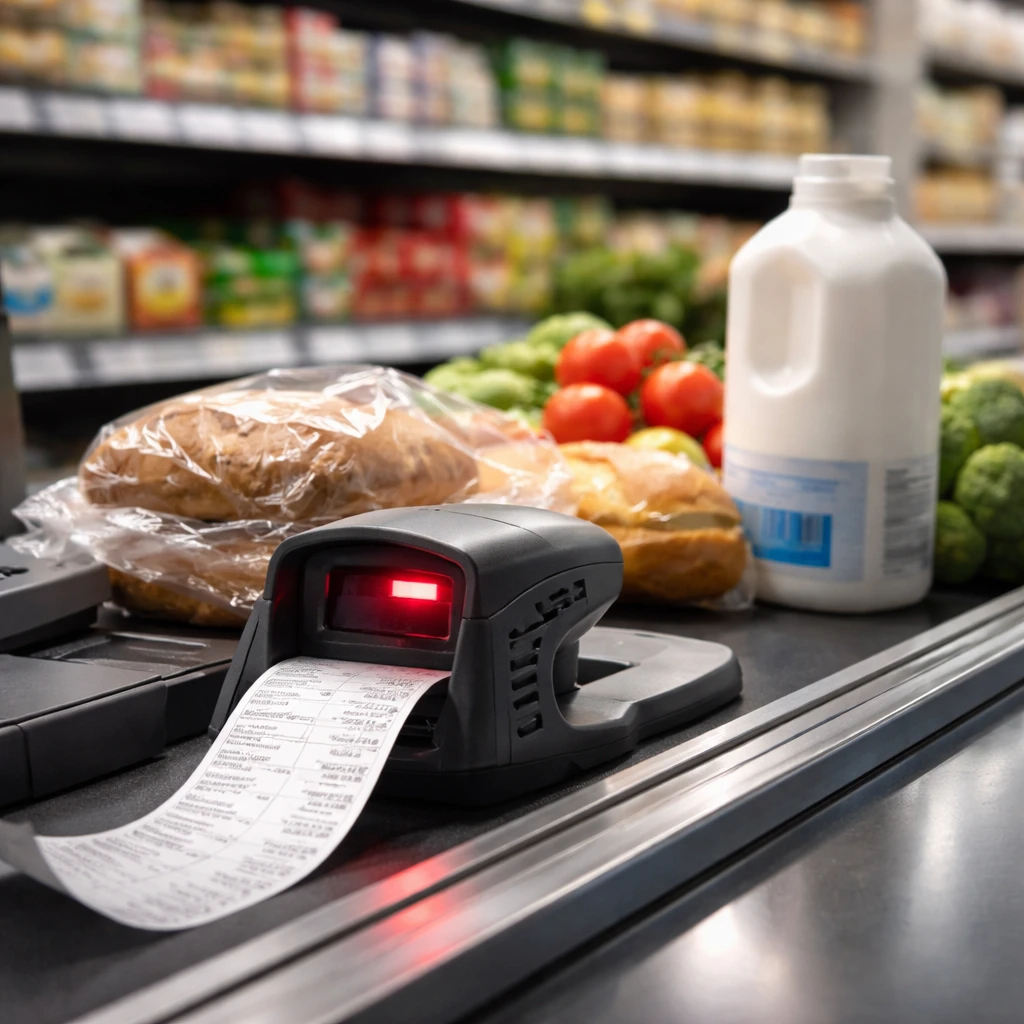
The Office for National Statistics (ONS) confirmed on Wednesday that it will change how it collects grocery price data, moving to include supermarket scanner records as part of its methodology starting next month. The agency also announced concurrent adjustments to the way it samples prices for overnight hotel stays and for video games. All the revisions will be reflected in the February inflation data.
What the ONS said
The ONS reported that integrating supermarket scanner data into its grocery price collection would have had a small downward effect on the headline consumer price inflation rate. Specifically, the agency stated that had the new grocery data approach been in place previously, the reported inflation rate would have been 0.03 percentage points lower.
In an analysis covering January 2019 through June 2025, the ONS found that implementing the grocery scanner series over that entire period would have produced a 0.1 percentage point difference in the published inflation rate in 39 out of the 66 months examined. The agency provided those figures as an indication of how the revised data source would have affected historical published outcomes.
Scope of the methodological changes
Alongside the move to scanner-based grocery data, the ONS will adjust its sampling procedures for two other categories of spending: overnight hotel accommodation and video games. The agency said these changes will take effect with the February inflation release, bringing the three updates into operation at the same time.
Implications and context
The ONS presented the numbers on the anticipated impact without indicating that the revisions would produce large shifts in headline inflation. The reported 0.03 percentage point reduction is a modest numerical change. The historical assessment - showing a 0.1 percentage point difference in 39 of 66 months - illustrates that the new grocery scanner data would have produced measurable month-to-month variation in the published rate across the tested period, though the agency did not assert wider economic consequences.
The changes are procedural adjustments to statistical collection and sampling rather than changes in monetary policy or fiscal settings. The ONS will begin applying them in the February inflation figures, following the preparatory announcement that the new approaches will start next month.
Summary
The ONS will incorporate supermarket scanner data for grocery prices and revise sampling for overnight hotel stays and video games starting next month, with the updates included in February's inflation data. The agency said the grocery scanner data would have reduced the reported inflation rate by 0.03 percentage points if implemented previously, and that applying the scanner series from January 2019 to June 2025 would have altered the published inflation rate by 0.1 percentage point in 39 of 66 months.