
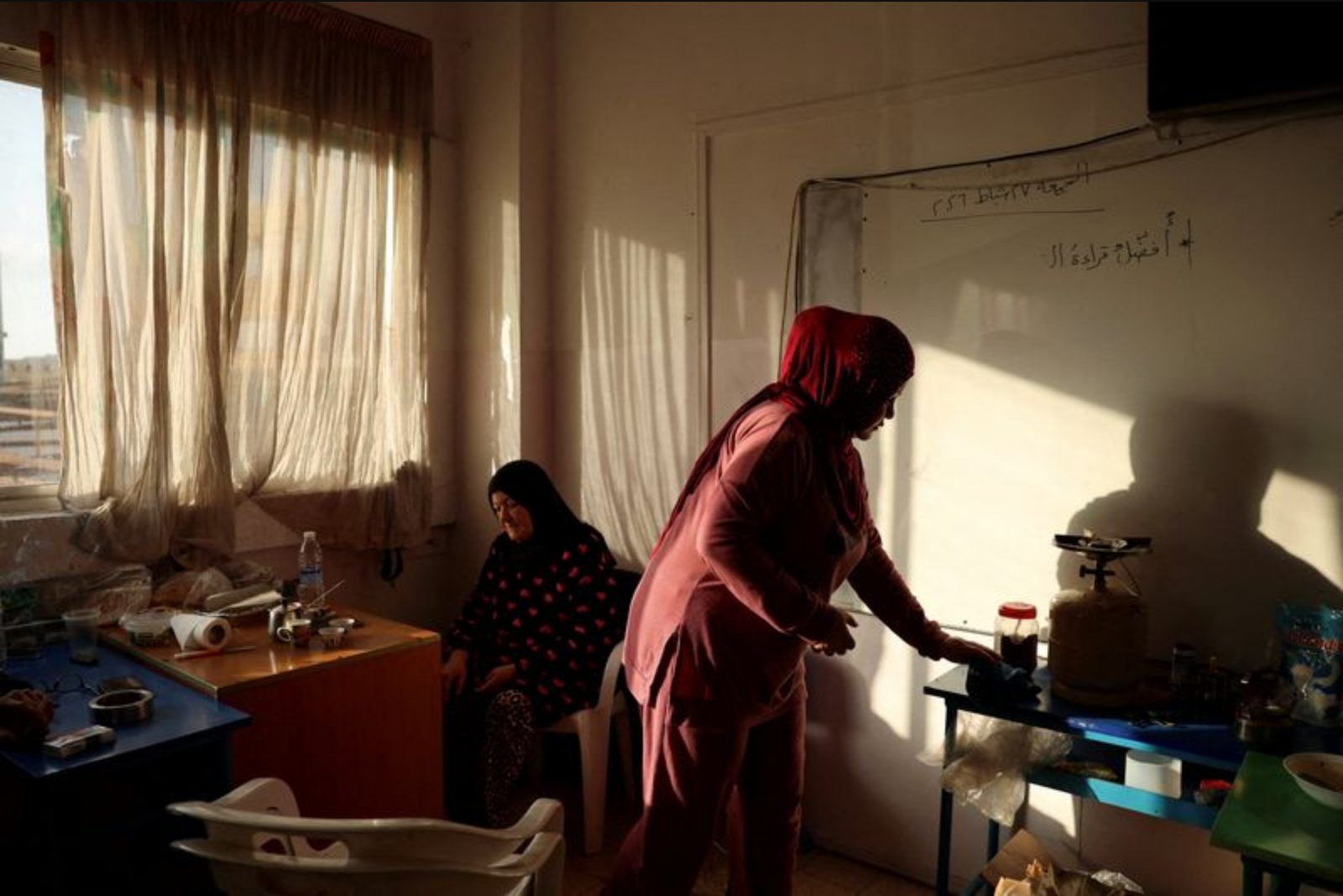
When Israeli strikes struck southern Lebanon in early March, Hawraa Houmani, 29 and nearly nine months pregnant, left her village near Nabatieh and sought refuge in a school-turned-shelter in Beirut. The move severed her access to the obstetrician who had overseen her pregnancy.
"I had prepared myself physically and mentally for that doctor, for her to be the one delivering," Houmani said. After being turned away for a pre-delivery check-up at a Beirut hospital, she was admitted a week later when contractions began and gave birth to her son, Ali, on March 11.
The day after the delivery, Houmani returned to the classroom where she now lives with her husband, their four-year-old son and other displaced relatives. They are among more than one million people who have fled their homes in Lebanon since a new phase of fighting between Israel and Hezbollah began on March 2.
Humanitarian agencies report a significant concentration of pregnant women among the displaced. The United Nations Population Fund - UNFPA - says there are 13,500 pregnant women who have been displaced in Lebanon, and as many as 1,500 of them are expected to give birth in the next 30 days.
Conditions in the shelters are crowded. Multiple families share bathroom facilities and living space in converted classrooms, heightening concerns about hygiene and the ability to care for newborns. Within his first two weeks, Ali developed a cold and a rash across his face. His family awaits a visit from a pediatrician; so far, none have come to the shelter.
Ali is being held by his 64-year-old grandmother, Sabah Marji, who also cradles his cousin Fatima - a baby born just days before the conflict began. "Right now, I feel great about them, but the joy is incomplete. It’s not the same as when a person is living in their own home with everything around them," Marji said, describing the mixed emotions that accompany new births under displacement.
Midwife Ahlam Sayegh, herself displaced from Nabatieh, is supporting pregnant women and new mothers in Beirut despite scarce resources. "We are giving support, but at the same time most of that support is mainly psychological support - support by telling them what they should do, when the necessities required to put that into practice on the ground are not reaching them," she said. Her remarks highlight the gap between advice and the material and medical means needed to follow it.
Another displaced woman, 31-year-old Sarah Shahla, was five months pregnant with a daughter when the strikes began. She fled Nabatieh with her husband and two sons and is now living in a shelter. To help support her family she has set up a small stand in the shelter selling candy and snacks. Despite the uncertainty, Sarah says she hopes to return to her home before giving birth. "Of course, I hope that she comes into a life better than this one, that she comes into a life with stability, safety, a family atmosphere, a sense of home, all of these things," she said.
As Lebanon approaches one month of renewed fighting, Israeli officials have warned of a possible occupation of the south. The threat of further escalation and a prolonged period of displacement complicates the immediate needs of pregnant women and newborns and raises concerns about access to ongoing maternal and pediatric care.
Section: Conditions and Care
Displaced mothers report limited access to the doctors who provided prenatal care earlier in their pregnancies. Hospitals have at times turned patients away for routine checks, only to admit them when labor begins. Shelters provide refuge but also present challenges for breastfeeding, bathing infants and maintaining cleanliness in shared facilities.
Medical support in shelters is uneven. Families are often anxious for pediatric attention when newborns develop symptoms such as colds or rashes. Midwives and volunteers can offer instruction and emotional support, but they frequently lack the supplies, personnel and clinical resources to meet all medical needs.
Section: Human Story and Outlook
The accounts of Houmani, Marji, Sayegh and Shahla illustrate the human dimension of the displacement crisis - newborns arriving into uncertain circumstances and families coping with constrained resources. While the births bring moments of joy, they are tempered by the loss of home, continuity of care and confidence in basic services. The immediate months ahead—marked by a high number of expected deliveries and ongoing security threats—will test the capacity of shelters and health services to respond adequately.