
World April 10, 2026 11:11 AM

Netanyahu Seeks Postponement of Court Testimony Citing Ongoing Security Concerns

Prime minister asks Jerusalem court to delay his appearance for at least two weeks as state of emergency is lifted and trial timetable remains uncertain

By Hana Yamamoto
Netanyahu Seeks Postponement of Court Testimony Citing Ongoing Security Concerns

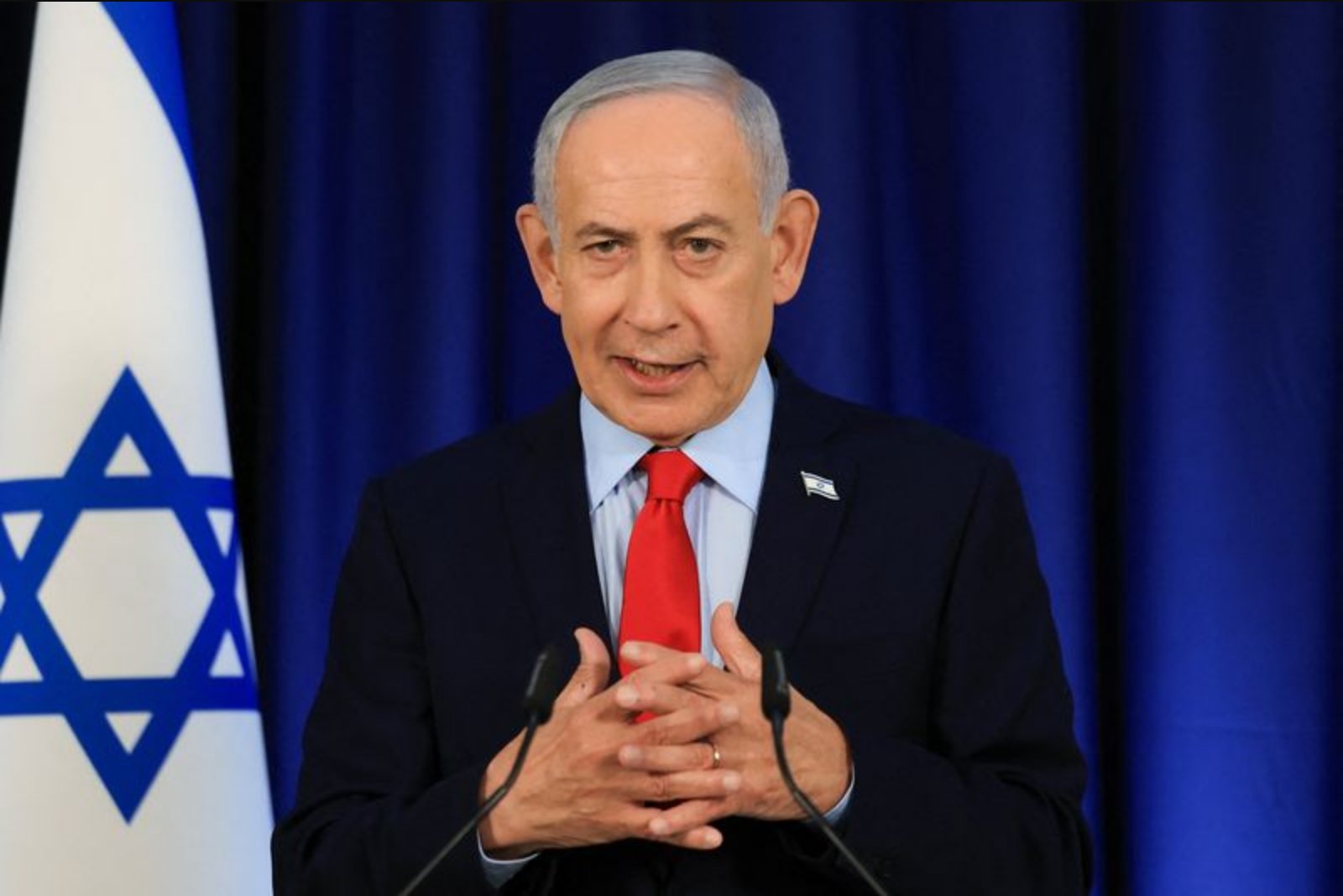
Prime Minister Benjamin Netanyahu has formally requested a postponement of his scheduled testimony in his long-running corruption trial, citing classified security and diplomatic reasons tied to recent regional events. The request, filed in Jerusalem District Court, asks that he not testify for at least two weeks and was accompanied by a sealed envelope containing the classified rationale. The trial had been due to resume after Israel lifted a state of emergency imposed over its war with Iran following a Wednesday ceasefire announcement.

Key Points

  • Netanyahu has asked the Jerusalem District Court to delay his testimony for at least two weeks, citing classified security and diplomatic reasons; a sealed envelope with details was delivered to the court.
  • The trial was scheduled to resume on Sunday after Israel lifted a state of emergency imposed over its war with Iran following a Wednesday ceasefire announcement; the defence said it could continue hearing a prosecution witness.
  • Netanyahu, the first sitting Israeli prime minister charged with a crime, denies bribery, fraud and breach of trust charges from 2019; the trial began in 2020 and has been repeatedly delayed, with political implications ahead of an October election.

Summary: Prime Minister Benjamin Netanyahu has asked the Jerusalem District Court to delay the next phase of his corruption trial testimony for at least two weeks, citing classified security and diplomatic reasons related to recent events in Israel and the wider Middle East. The request was submitted in a court filing and accompanied by a sealed envelope said to contain the confidential rationale. The trial had been due to resume following the lifting of a state of emergency connected to Israel's war with Iran after a Wednesday ceasefire announcement.

In a filing on Friday, Netanyahu's lawyer told the court that the prime minister would be unable to testify in the proceeding for a minimum of two weeks. The defence indicated it remained ready to continue hearing testimony from a prosecution witness despite the request to postpone the prime minister's appearance.

The court filing included a direct explanation: "Due to classified security and diplomatic reasons connected ... to the dramatic events that have taken place in the State of Israel and throughout the Middle East in recent times, the Prime Minister will not be able to testify in the proceeding for at least the next two weeks," the filing to the Jerusalem District Court said. A sealed envelope detailing those classified reasons was delivered to the court, which will issue a ruling once the prosecution has submitted its response.

Netanyahu is the first sitting Israeli prime minister to face criminal charges. He denies allegations of bribery, fraud and breach of trust that were brought in 2019 after years of investigation. The trial, which began in 2020 and carries the potential for custodial sentences, has been repeatedly postponed in the past because of his official responsibilities and currently has no set end date.

Observers have noted that the criminal charges, together with the impact of the Hamas attacks on Israel in October 2023, have harmed Netanyahu's political standing. Israel is scheduled to hold a national election in October. Polling referenced in the court filing materials indicates that Netanyahu's coalition - described as the most right-wing in the country's history - is likely to lose that vote.


Contextual note: The court will decide how to proceed after receiving the prosecution's response to the defence filing and reviewing the sealed material that the defence submitted.

Risks

  • Uncertainty over the trial schedule and possible further delays could sustain political volatility, which may affect investor sentiment in sectors sensitive to geopolitical risk, including defense and finance.
  • The use of classified security and diplomatic reasons to postpone testimony leaves timing unclear; continued ambiguity may influence market assessments of political stability and electoral outcomes ahead of the October vote.
  • Repeated delays and the intersection of criminal proceedings with active national security developments create sustained legal and political uncertainty, limiting visibility for policy continuity and economic planning.

More from World

Lebanon Enters Rare Direct Talks with Israel Amid Deep Domestic Divisions and Widespread Destruction Apr 10, 2026 Moody's Lowers New Brunswick's BCA, Cites Fiscal Strain and Trade Uncertainty Apr 10, 2026 Coordinated Telegram Posts Amplify Pro-Orban Messages Ahead of Hungary Vote, Research Finds Apr 10, 2026 Can Washington and Tehran Close the Gap? Islamabad Talks Face Major Obstacles Apr 10, 2026 Kyiv Voices Doubt Over Short Easter Ceasefire as Officials Press for Broader Talks Apr 10, 2026