
Russia said on Friday it would take action if Finland allowed nuclear weapons on its territory, framing the potential policy change as a provocation that would heighten Helsinki's vulnerability.
Kremlin spokesman Dmitry Peskov described Finland's planned move to lift a long-standing ban on hosting such weapons as an escalation of tensions in Europe. "This is a statement that leads to an escalation of tensions on the European continent," Peskov told reporters. He added that the step "adds to Finland’s vulnerability, a vulnerability provoked by the actions of the Finnish authorities."
Peskov further asserted that deploying nuclear weapons on Finnish soil would constitute a direct threat to Russia and that Moscow would "take appropriate measures" if it perceived itself threatened.
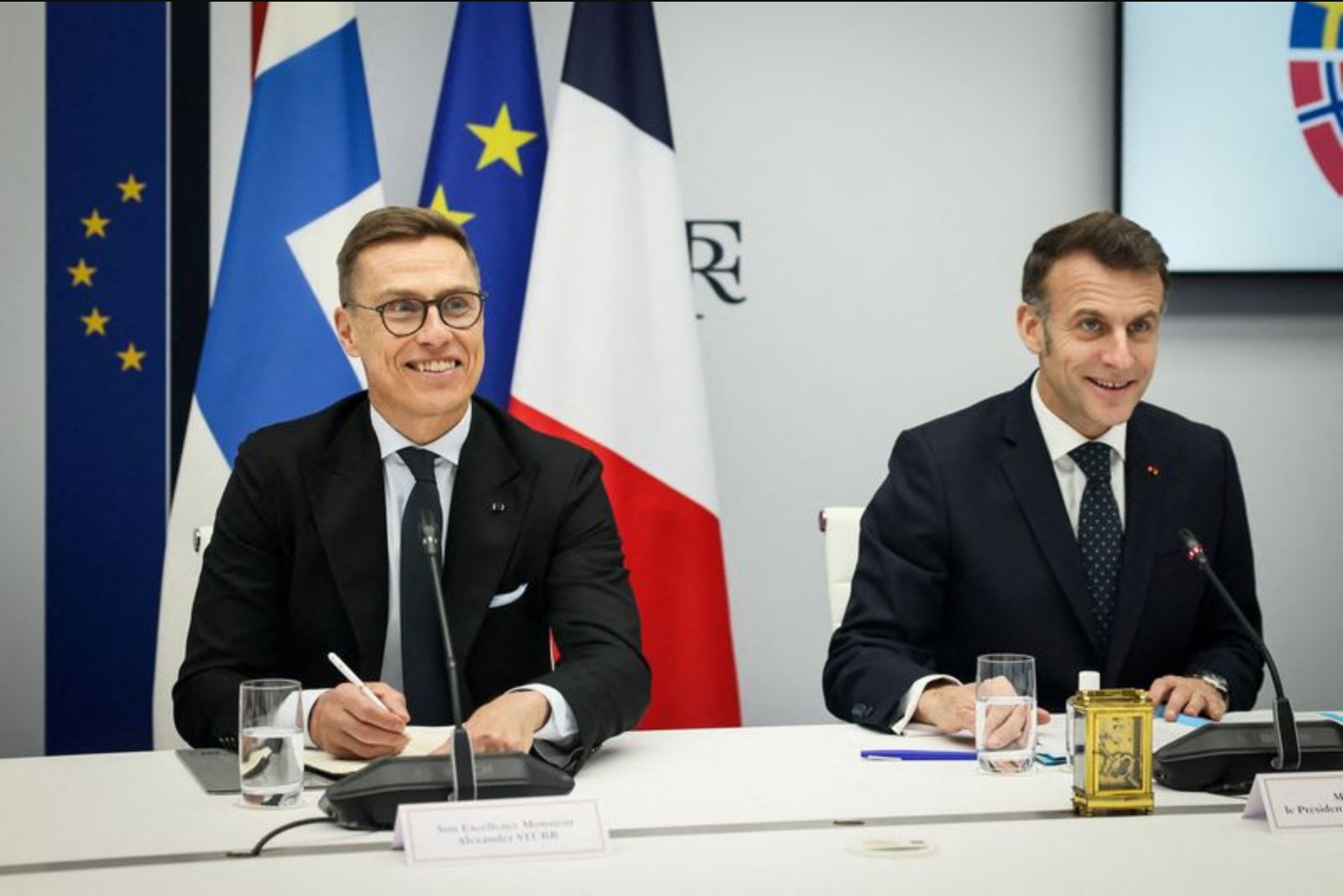
Helsinki has framed the policy shift as an adjustment intended to allow Finland to participate fully in NATO’s nuclear planning, rather than a response to an immediate or acute security crisis. Finnish President Alexander Stubb, speaking while visiting India, said the change "is not about Finland facing any acute or sudden security threat. It is about ensuring that we can participate fully in NATO’s nuclear planning." He reiterated that Finland did not seek to host nuclear arms in peacetime, but that it was aligning its approach with that of neighbouring Nordic states.
Sweden’s prime minister, Ulf Kristersson, has similarly emphasised restrictions on foreign troops and nuclear weapons in peacetime. Asked about the possibility of hosting French nuclear weapons, Kristersson said Sweden’s doctrine is to station no permanent foreign troops or nuclear weapons on its soil in peacetime. He added: "If we were to find ourselves in a completely different situation, that particular formulation would not apply."
Finland and Sweden’s reassessments mark a significant change in posture by nations that remained officially neutral during the Cold War and only recently joined NATO - Finland in 2023 and Sweden in 2024 - after Russia deployed tens of thousands of troops to Ukraine. Finland shares a 1,340 km (830 mile) border with Russia.
The Finnish debate on nuclear hosting is occurring alongside broader European discussions about deterrence. French President Emmanuel Macron announced a plan to expand France’s nuclear arsenal and said other European states would be able to participate in French nuclear exercises. In parallel, France and Germany have established a nuclear steering group to coordinate deterrence issues.
Moscow described Macron’s declaration as an "extremely destabilising development" that could pose a potential threat to Russia. The Kremlin has repeatedly issued veiled nuclear warnings during the four-year conflict in Ukraine, using the spectre of nuclear force as part of its broader deterrence messaging.
The interplay between Finland’s decision to alter its hosting ban, France’s outreach on nuclear cooperation, and Russia’s warnings reflects a shifting European security environment driven by the war in Ukraine and recent unpredictable actions by the U.S. presidency that have unsettled some NATO partners. The outcome of these policy shifts and whether they will lead to tangible deployments or new security arrangements remains subject to the choices of the states involved.