
World January 30, 2026

Mexico Seeks Diplomatic Paths After U.S. Threatens Tariffs on Cuba Oil Suppliers

President Sheinbaum warns tariffs on suppliers could spark a humanitarian crisis as Mexico weighs alternatives to sustain shipments

By Leila Farooq
Mexico Seeks Diplomatic Paths After U.S. Threatens Tariffs on Cuba Oil Suppliers

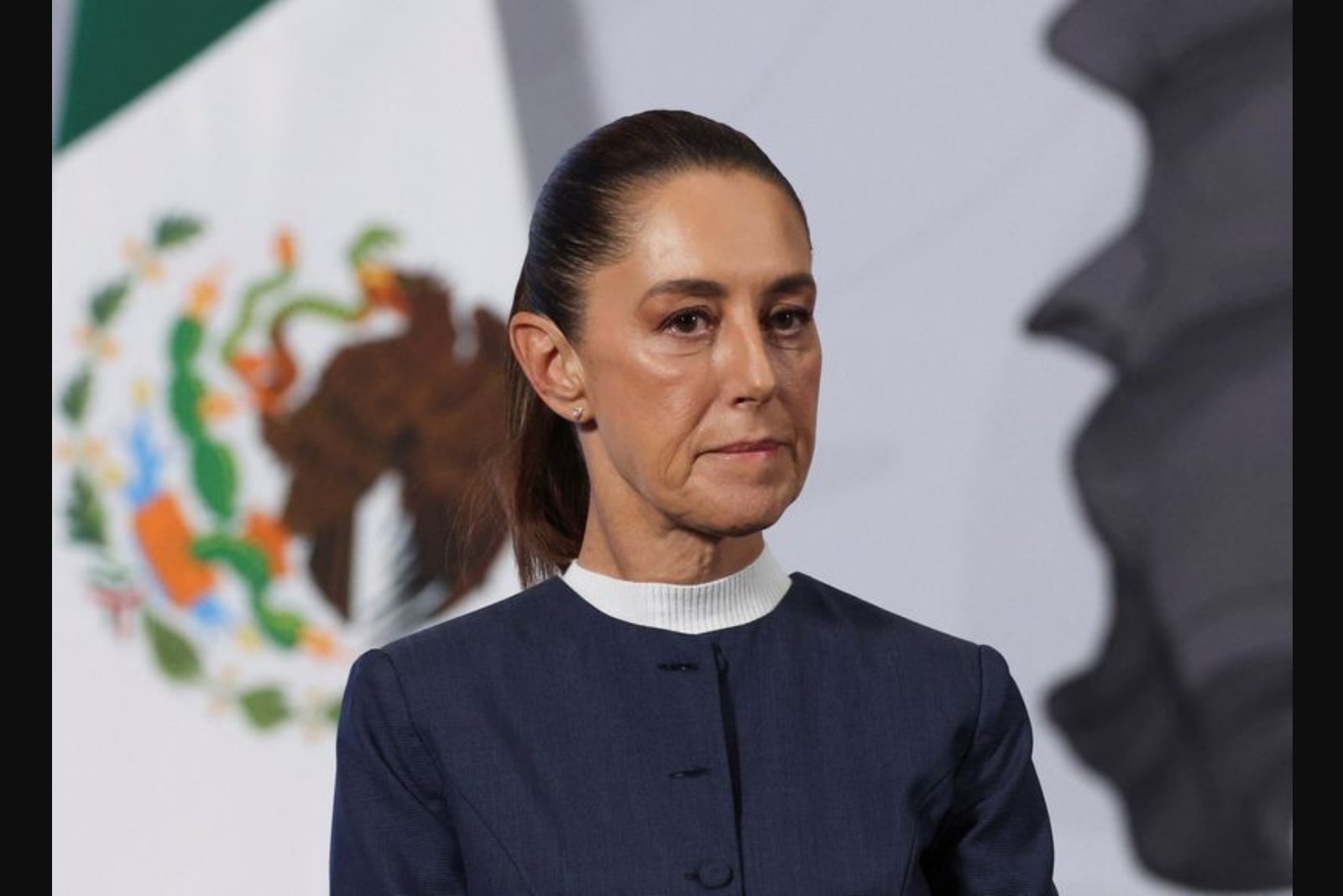
Mexico's President Claudia Sheinbaum said the government will pursue diplomatic channels and other options to assist Cuba after the United States announced threatened tariffs on countries supplying oil to the island. Sheinbaum cautioned that imposing tariffs on those suppliers risks creating a humanitarian emergency in Cuba and has asked her foreign minister to contact the U.S. State Department to clarify the scope of any measures.

Key Points

  • Mexico will pursue diplomatic avenues and alternatives to assist Cuba after the U.S. threatened tariffs on countries supplying oil to the island - sectors impacted: energy, international trade.
  • President Sheinbaum has directed the foreign minister to contact the U.S. State Department to clarify the scope of potential U.S. measures - sectors impacted: government-to-government relations, trade policy.
  • Mexico noted shipments to Cuba represent 1% of its production and warned cutting supplies could damage critical services in Cuba, including hospitals and electricity generation - sectors impacted: energy, healthcare, infrastructure.

MEXICO CITY - Mexico's president announced on Friday that her administration will pursue diplomatic solutions and explore alternatives to support Cuba following U.S. threats to impose tariffs on nations that provide oil to the Caribbean government.

At a morning press conference, President Claudia Sheinbaum said the government needs clarity on the scope of the U.S. measures because "we don’t want to put our country at risk in terms of tariffs." She added that she had instructed her foreign minister to reach out to the U.S. State Department to seek more information.

Mexico remains one of the few countries still supplying oil to Cuba, and those deliveries are described by the Mexican president as a lifeline for the island. Sheinbaum warned that halting shipments could precipitate a severe humanitarian situation, with direct effects on transportation and critical infrastructure, including hospitals and electricity generation.

"Applying tariffs on countries that supply oil to Cuba could trigger a far-reaching humanitarian crisis, directly affecting hospitals, food and other basic services for the Cuban people, a situation that must be avoided," she said.

Sheinbaum did not state whether Mexico itself would stop sending oil or refined products to Cuba. She noted that shipments to the island represent 1% of Mexico’s production and reiterated that her administration is examining alternatives to continue assisting Cuba.

The Mexican president also said she had spoken with U.S. President Donald Trump on Thursday morning. That call took place hours before the U.S. administration announced the threatened tariffs, and Sheinbaum said Trump did not raise the measures during their conversation.


Implications and next steps

Mexico has signaled it will seek diplomatic engagement with the United States to understand the potential reach of the tariff threat and to protect its own trade exposure. At the same time, the Mexican government is considering other means to help sustain Cuba's access to oil and refined fuels without exposing Mexico to punitive trade measures.

Details about specific alternative measures under consideration were not disclosed at the briefing.

Risks

  • If tariffs are applied by the U.S., Mexico could face trade exposure or retaliatory measures while supplying Cuba - affecting energy exporters and international trade flows.
  • Cutting off oil and refined product shipments to Cuba could trigger a humanitarian crisis that would directly affect hospitals, food supplies and basic services - impacting healthcare and public utilities.
  • Uncertainty over the scope of U.S. measures could complicate Mexico's planning and diplomatic engagement, leaving energy and transport sectors exposed to abrupt policy shifts.

More from World

Greenland’s premier says U.S. still aims for control despite ruling out military action Feb 2, 2026 Kremlin says Russia has long offered to process or store Iran’s enriched uranium Feb 2, 2026 Long-Awaited Rafah Reopening Prompts Hope and Anxiety Among Palestinians Stranded Across Border Feb 2, 2026 Rafah Reopens but Core Questions Persist Over Implementation of Trump’s Gaza Blueprint Feb 2, 2026 Rafah Crossing Reopens on Foot with Strict Limits as Gaza Remains Under Strain Feb 2, 2026