
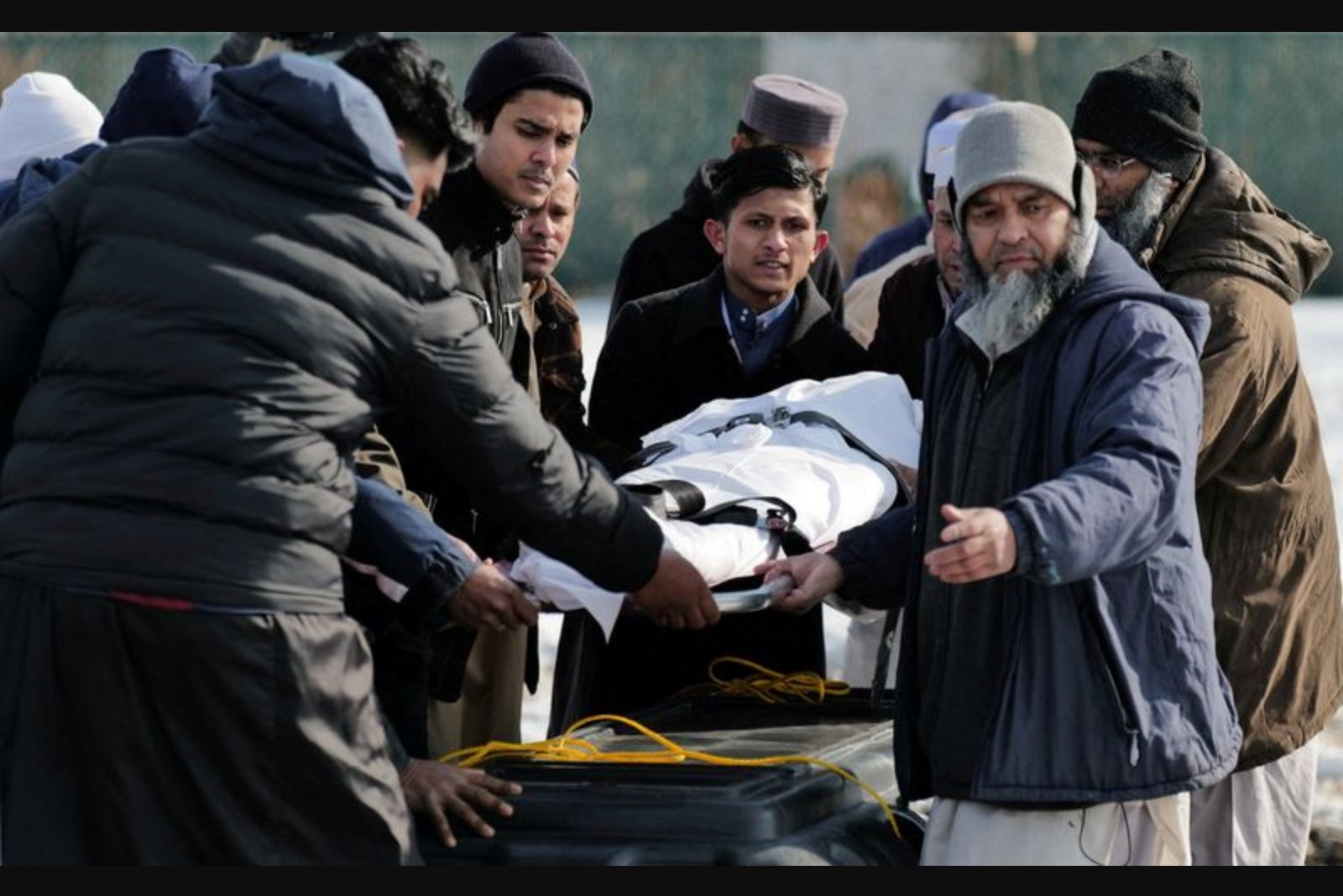
Local officials in upstate New York have formally ruled the death of Nurul Amin Shah Alam, a 56-year-old refugee from Myanmar, as a homicide following an investigation into his disappearance and subsequent death in February.
The Erie County Medical Examiner concluded that the manner of death is homicide and listed the cause as complications of a perforated duodenal ulcer precipitated by hypothermia and dehydration. The office noted that a homicide determination can follow negligence or omission and does not necessarily indicate intent.
Shah Alam, who came from a family of Arakan Rohingya refugees, was nearly blind, did not speak English and used a cane to walk. He had been missing for several days after being released from jail and taken into the custody of the U.S. Border Patrol. He was later found dead on a downtown Buffalo street amid freezing weather.
At the time of his release from jail, Shah Alam had spent much of the previous year awaiting trial on criminal charges that were later resolved with a misdemeanor plea deal. Following his release into Border Patrol custody, agents transported him to a downtown location and left him at a coffee shop, according to earlier reporting.
The death prompted immediate scrutiny and public outcry over the treatment of immigrants amid President Donald Trump’s immigration enforcement policies. Buffalo Mayor Sean Ryan described the death as preventable and attributed it to what he called "inhumane" decision-making by federal immigration authorities.
New York Attorney General Letitia James said her office will continue to review the "circumstances and treatment" that led to Shah Alam's death. In a statement she said,
"Mr. Shah Alam fled genocide to build a life in this country. Instead, he was abandoned and left to suffer alone in his final hours."
The Department of Homeland Security responded at the time by disputing links to Border Patrol actions. In a post on X, DHS asserted the death had "nothing to do" with the Border Patrol and characterized coverage of the case as "another hoax being peddled by the media and sanctuary politicians to demonize our law enforcement."
DHS further stated that agents had offered Shah Alam a courtesy ride and that he accepted being dropped off at the coffee shop, which was "determined to be a warm, safe location near his last known address." The agency added that he showed no signs of distress, mobility issues or disabilities requiring special assistance. A DHS spokesperson declined to comment further on Wednesday.
The case stands alongside broader figures cited for this year, with at least 14 people reported to have died in immigration custody in 2026 apart from Shah Alam's death. The medical examiner's homicide determination and the differing accounts from local officials and federal authorities leave open questions about how his final hours unfolded and what role any lapses in care or judgment may have played.