
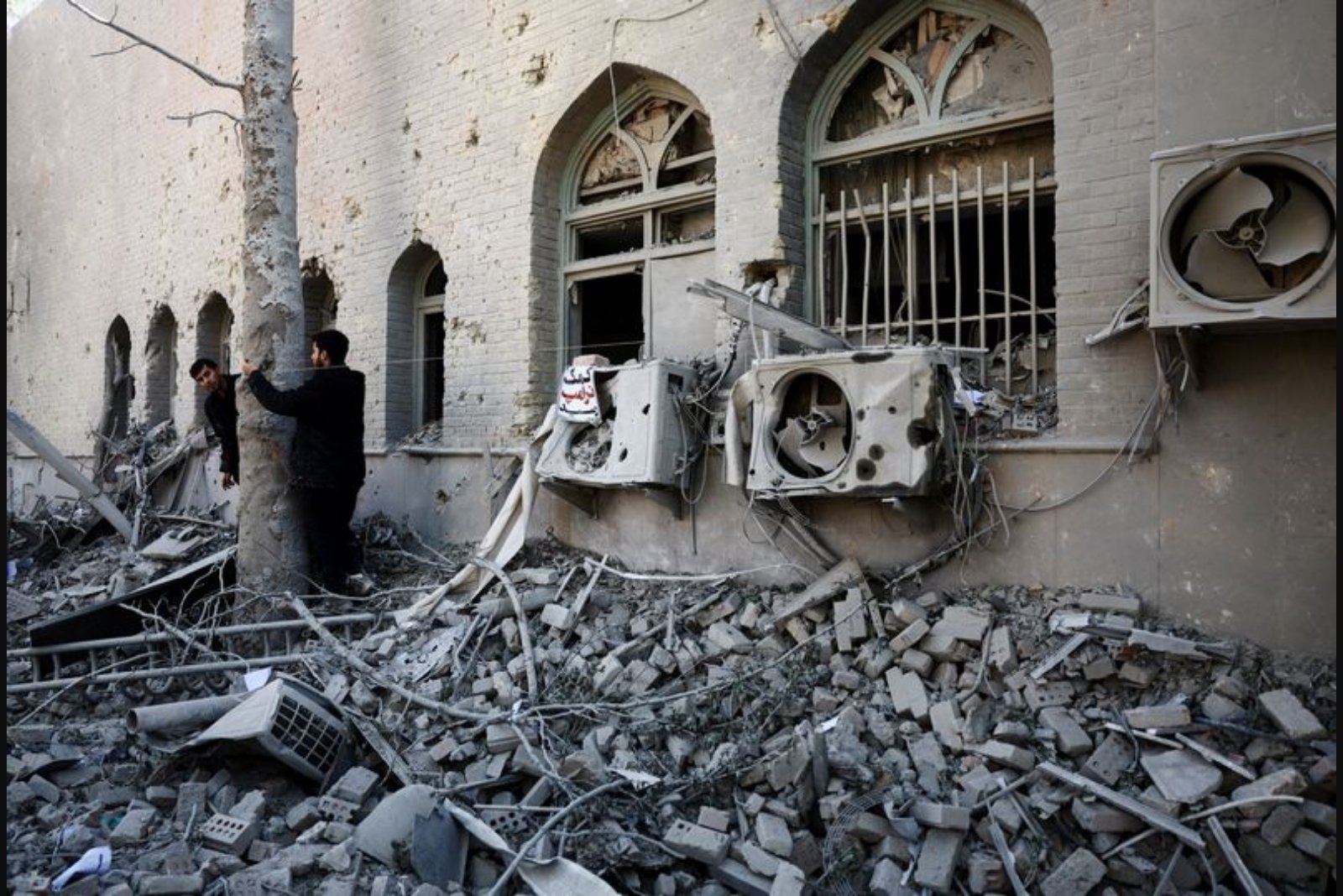
April 7 - Negotiation efforts to bring U.S. and Iranian representatives into talks were ongoing, according to two Pakistani sources familiar with the exchanges, as military action in the region increased and a deadline set by President Donald Trump to unleash "hell" drew near.
One source, described as a senior security official, warned that Iran’s overnight strike on Saudi Arabia’s industrial facilities - facilities linked to U.S. firms - posed a direct threat to the viability of mediation. The official said that if Saudi Arabia chose to respond militarily, "the talks would be over," and that any such retaliation could obligate Pakistan to answer under its mutual defence pact with Riyadh.
The second Pakistani source stressed the precariousness of the situation, saying Iran was "walking on thin ice" and that the immediate hours ahead - "the next three to four hours" - would be decisive for whether dialogue could continue.
Pakistan has been central to recent exchanges between Washington and Tehran, serving as the principal conduit for proposals each side has conveyed. Despite sustained contact, the sources said, there had been no breakthrough or sign of a negotiated compromise so far.
On Islamabad’s role, the senior security official said: "We are in touch with Iranians. They have lately shown flexibility that they could join the talks, but they are at the same time taking hard lines as a prerequisite for any negotiations." He added that Pakistan was pressing Tehran to enter talks without imposing conditions in advance.
Official Iranian statements reflected ongoing mediated communication. Iran’s foreign ministry spokesperson indicated that messages continued to be exchanged through intermediaries. Separately, a senior Iranian source told intermediaries that Tehran had rejected a proposal for a temporary ceasefire that had been passed along by mediators.
The Iranian source set out conditions for discussions on a lasting peace, saying such talks could commence only after the United States and Israel halted their strikes, provided assurances that the strikes would not resume, and compensated for damages caused by the operations.
Pakistan’s entanglement in the crisis is further complicated by its defence arrangement with Saudi Arabia, which requires mutual assistance in the event of an attack. Islamabad has been seeking to avoid being drawn into open conflict, mindful of potential security repercussions along its western border with Iran and the possibility of heightened unrest among Pakistan’s sizeable Shi’ite community.
Reflecting Islamabad’s concerns, Pakistan’s foreign office issued a statement on Tuesday describing the strikes on Saudi Arabia as "a dangerous escalation that undermines regional peace and stability." The statement underscores Islamabad’s focus on preventing spillover and on preserving regional stability while it continues to mediate between the United States and Iran.