
World March 31, 2026

Majority of Americans Favor Rapid End to U.S. Involvement in Iran Conflict, Poll Shows

Two-thirds prefer a quicker exit even if U.S. objectives are unmet as gas prices and economic concerns weigh on public opinion

By Marcus Reed
Majority of Americans Favor Rapid End to U.S. Involvement in Iran Conflict, Poll Shows

A Reuters/Ipsos survey conducted over a recent weekend found that roughly 66% of Americans want the United States to seek a rapid end to its involvement in the Iran war even if that means not achieving the administration's stated goals. The poll also reveals broad disapproval of U.S. military strikes on Iran, concerns about rising gasoline costs, and anxiety about the personal financial impact of the conflict - factors that could shape voter attitudes ahead of the November midterm elections.

Key Points

  • 66% of respondents said the U.S. should work to end involvement in the Iran war quickly even if that means not achieving the administration's goals.
  • 60% of those polled disapproved of U.S. military strikes on Iran; 35% approved. The survey sampled 1,021 people and was conducted Friday through Sunday.
  • Economic and market sectors affected include energy (rising gasoline prices above $4 a gallon), household finances (majority expect negative personal financial impact), and political markets (midterm election dynamics for Republican majorities).

A new Reuters/Ipsos poll conducted from Friday through Sunday indicates that two-thirds of U.S. adults favor a swift end to American involvement in the Iran war, even if doing so means the United States does not accomplish the objectives outlined by the Trump administration.

Specifically, 66% of those surveyed said the United States should work to end its involvement quickly despite potentially not achieving its goals. By contrast, 27% said the United States should try to achieve all its goals in Iran even if that requires a longer period of engagement. Six percent of respondents gave no answer to that question.

The survey captured notable divisions within the Republican Party. Among Republicans who support former President Trump, 40% said they favored ending the conflict quickly even if U.S. goals went unmet, while 57% preferred continued involvement to try to reach all objectives.

Respondents also expressed clear views on recent U.S. military action: 60% disapproved of strikes on Iran, while 35% approved, according to the poll of 1,021 people.

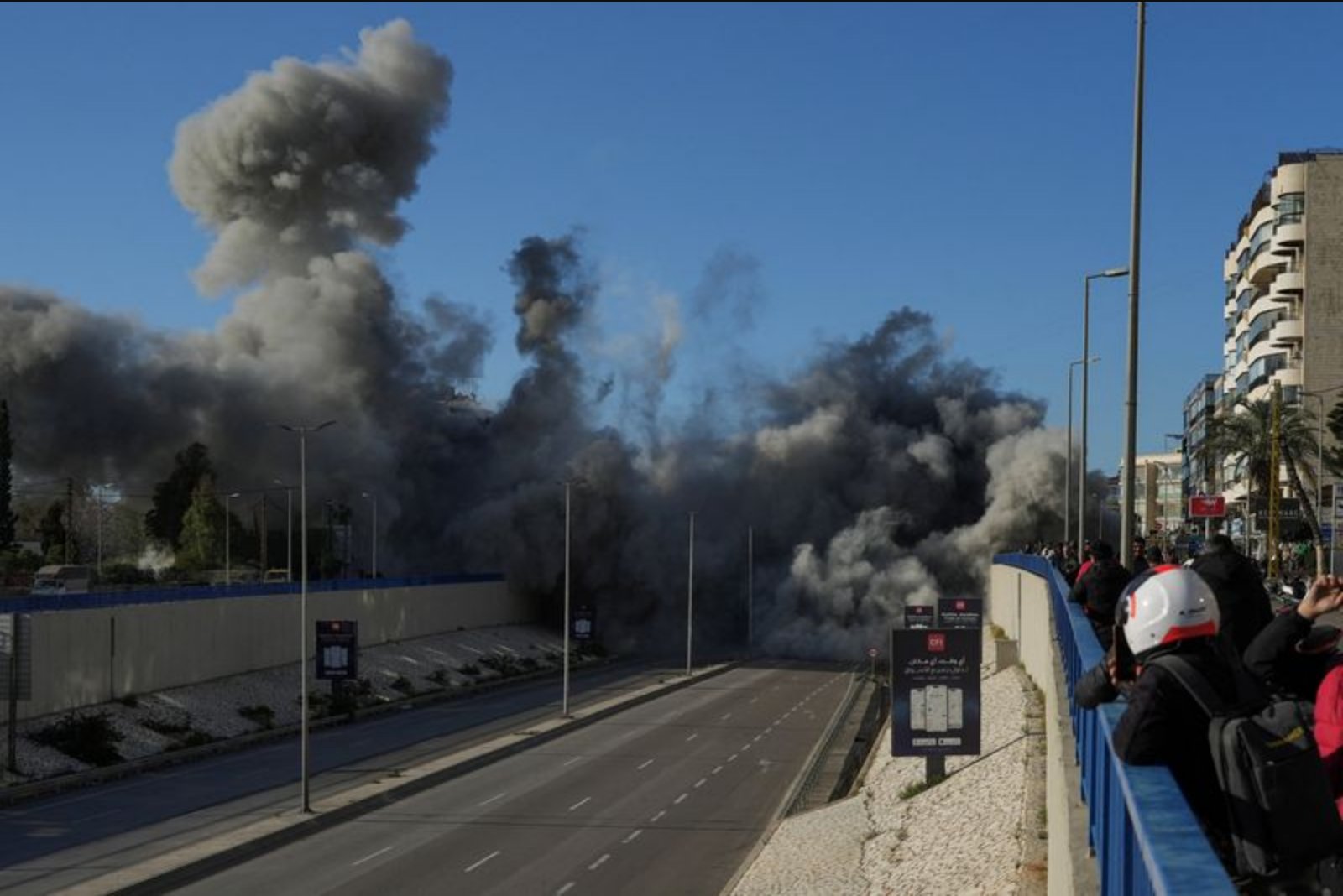
Poll participants highlighted economic pain tied to the conflict. The month-long war has expanded across the Middle East, with the poll noting that thousands of people have been killed and that global energy markets have been affected, contributing to inflation concerns worldwide.

One conspicuous domestic effect has been rising gasoline prices. Data from price tracking service GasBuddy showed that the national average for a gallon of gasoline rose above $4 on Monday for the first time in more than three years. Two in three respondents expected gas prices to worsen over the next year; that expectation included 40% of Republicans surveyed.

Political implications were also reflected in the poll. Trump’s Republicans face voters in November’s midterm elections, which will determine whether they can retain narrow majorities in both the House and the Senate. The survey notes that the incumbent president’s party typically loses seats in midterm contests.

Finally, a majority of those polled said they believed the conflict would have a mostly negative impact on their personal financial situation, a view shared by 39% of Republicans who responded to the survey.


Methodology note: The results reported here are drawn from a Reuters/Ipsos poll of 1,021 respondents conducted over a three-day period from Friday through Sunday.

Risks

  • Higher energy prices: Rising gasoline costs - reported at above $4 a gallon nationwide - risk further pressure on household budgets and contribute to inflationary concerns, affecting consumer spending and energy markets.
  • Political uncertainty: The conflict and public discontent could influence voter behavior in the November midterm elections, potentially altering control of narrow congressional majorities and affecting policy direction.
  • Economic sentiment deterioration: More than half of respondents expect negative effects on their personal finances, which could depress consumer confidence and have downstream effects on sectors reliant on consumer demand.

More from World

President Signals Federal Intervention in Los Angeles Ahead of World Cup Mar 31, 2026 Syria Signals Non-Participation in Iran-Israel-U.S. Conflict Unless Attacked Mar 31, 2026 U.S. Foreign Service Directed to Use X and Coordinate with Military Psyops to Expose Foreign Influence Mar 31, 2026 Amnesty Flags Major Human Rights Concerns for 2026 World Cup Fans Mar 31, 2026 Army Suspends Apache Aircrew After Helicopters Flew Near Kid Rock’s Home Mar 31, 2026