
World March 27, 2026

Lavrov and Iran’s Araqchi Explore Diplomatic Path as Middle East Fighting Intensifies

Russian foreign minister discusses possibilities for a political-diplomatic settlement and details of humanitarian aid during talks with Iranian counterpart

By Marcus Reed
Lavrov and Iran’s Araqchi Explore Diplomatic Path as Middle East Fighting Intensifies

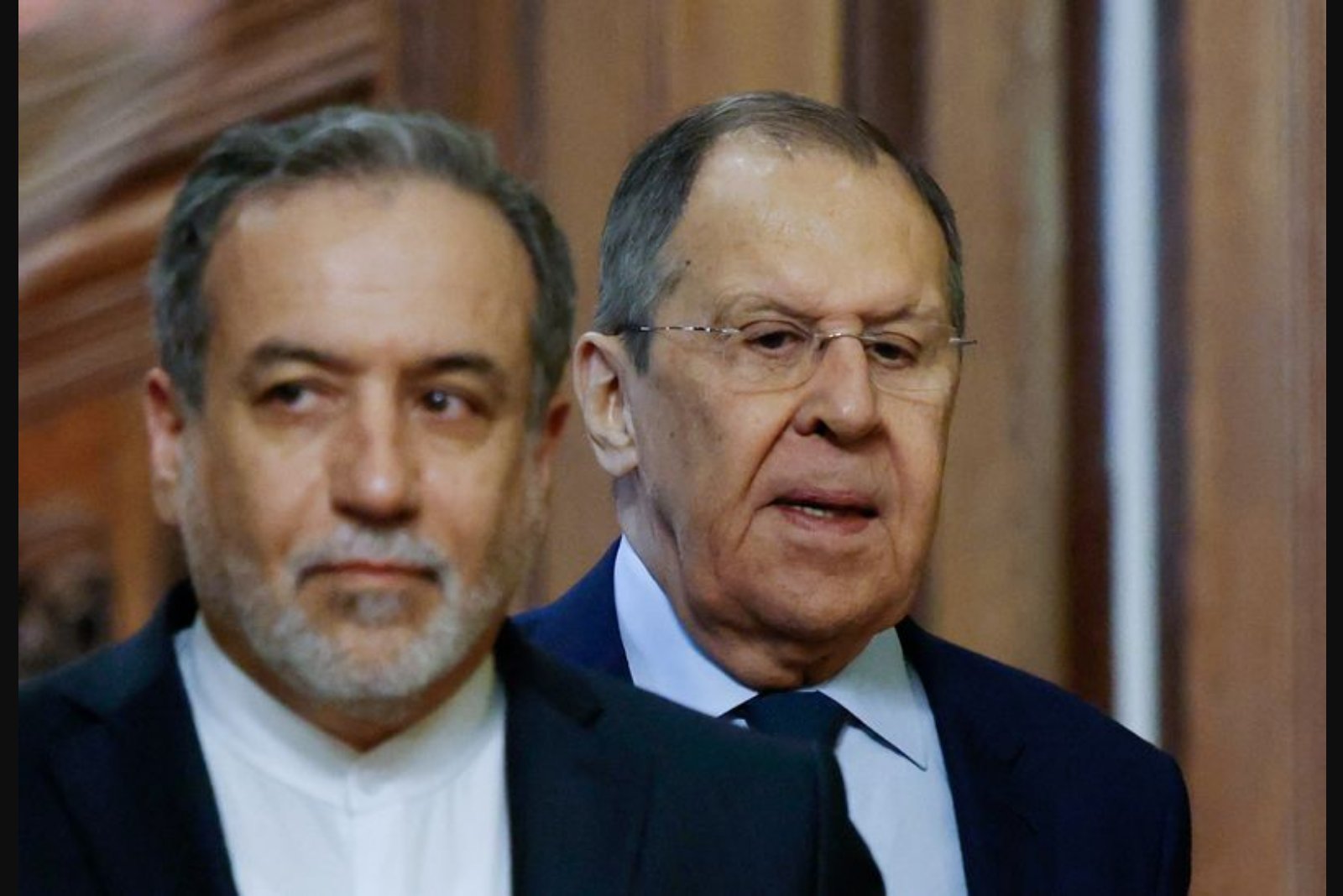
On March 27, Russian Foreign Minister Sergei Lavrov met with Iranian Deputy Foreign Minister Abbas Araqchi to discuss prospects for turning the ongoing Middle East military-political crisis toward a political and diplomatic settlement. The Russian Foreign Ministry said the ministers reviewed the crisis, exchanged views on international-law based resolution, and that Lavrov described a recent Russian shipment of humanitarian assistance to Iran. The meeting occurred amid Western concerns that Russia is providing imagery and drone upgrades to Iran.

Key Points

  • Lavrov and Iranian deputy minister Abbas Araqchi discussed shifting the Middle East conflict toward a political-diplomatic settlement grounded in international law - sectors impacted include diplomacy and defense.
  • Russia outlined a recent shipment of humanitarian assistance to Iran and highlighted a strategic partnership covering political, economic, military and energy cooperation, though that pact does not include a mutual defence clause - sectors impacted include energy and international trade.
  • Western officials have raised concerns that Russia has provided satellite imagery and assisted Iran in upgrading drones, potentially affecting military operations and defense procurement dynamics - sectors impacted include defense and aerospace.

March 27 - Russian Foreign Minister Sergei Lavrov held talks on Friday with Iranian Deputy Foreign Minister Abbas Araqchi that, according to a statement on the Russian Foreign Ministry website, focused on the potential for a diplomatic settlement to the current conflict in the Middle East.

The ministry statement said their discussions addressed what it called "the most difficult military-political crisis in the Middle East, which erupted as a result of unprovoked American-Israeli aggression against Iran." It added that there was "an exchange of views on the prospects of shifting the conflict into a channel for a political-diplomatic settlement based on international law and taking into account the legitimate interests of all countries in the region."

Humanitarian assistance and partnership

The ministry's account also said Lavrov outlined the details of Russia’s most recent shipment of humanitarian assistance to Iran. The statement reiterated the existence of a broader strategic partnership between the two countries that covers political, economic, military and energy cooperation, while noting that the agreement does not include a mutual defence accord.

Russia has been employing Iranian-designed drones in its four-year-old conflict with Ukraine, a detail the ministry statement did not expand on beyond noting the use of such systems.

Western concerns over cooperation

European foreign ministers used a G7 meeting with U.S. Secretary of State Marco Rubio on Friday to press the case that Russia was assisting Iran in targeting U.S. forces in the Middle East conflict. Two Western security sources and a regional official close to Tehran said that Moscow has been providing satellite imagery to Tehran and has helped Iran upgrade its drones so they emulate the versions Russia has used against Ukraine.

Outlook

The talks between Lavrov and Araqchi, as described by the Russian Foreign Ministry, reflect an attempt by both sides to explore diplomatic channels amid a sharply escalated regional crisis. The discussions included references to international law and the legitimate interests of countries in the region but did not set out a roadmap or specify concrete next steps for negotiations.

Risks

  • Continued military assistance and technology transfers - the reported provision of satellite imagery and drone upgrades could prolong or intensify military operations, posing risks to defense stability in the region.
  • Escalation in targeting of foreign forces - Western assertions that Russia is helping Iran target U.S. forces highlight uncertainty for military deployments and regional security, with potential consequences for defense spending and insurance in maritime and logistics sectors.
  • Limited diplomatic progress - while discussions emphasized a shift to political-diplomatic channels, the meeting did not produce a defined plan, leaving uncertainty over whether negotiations can reduce hostilities.

More from World

Trump Says U.S. 'Does Not Have to Be There' for NATO After European Non-Support Mar 27, 2026 Secret Service Agent Assigned to Former First Lady Injures Leg in Accidental Discharge Near Philadelphia Airport Mar 27, 2026 Trump Signals Cuba as Next Focus After Citing U.S. Military Actions Mar 27, 2026 Houthis Signal Readiness to Intervene if War on Iran Widens; Warn Against Use of Red Sea as Launch Zone Mar 27, 2026 EU and CPTPP Parties Agree to Advance Negotiations on Ambitious Digital Trade Pact Mar 27, 2026