
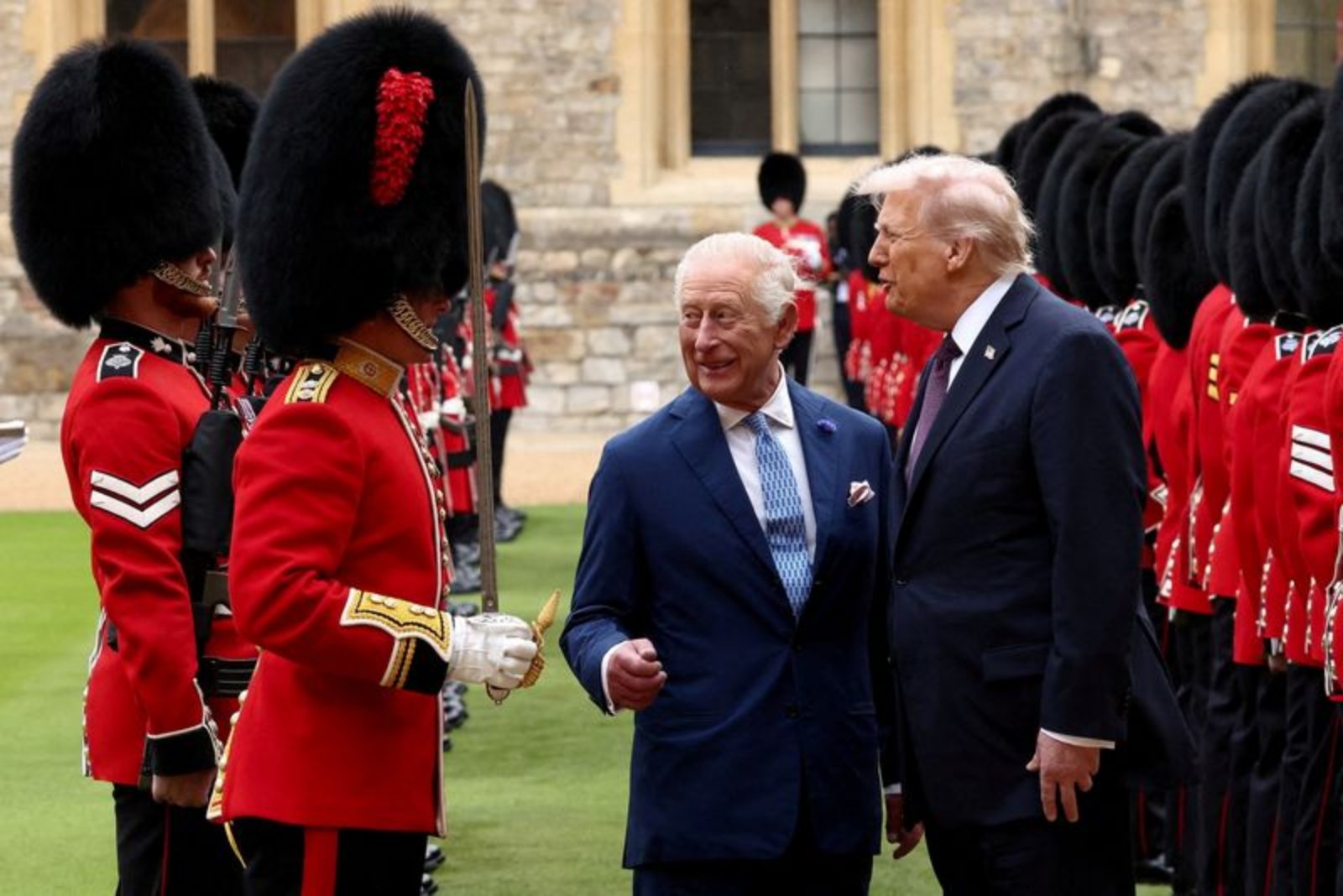
Buckingham Palace said on Tuesday that King Charles will travel to the United States in late April on a state visit, accompanied by Queen Camilla. The palace described the engagement as part of a long-planned programme to commemorate the 250th anniversary of the United States' independence from British rule, with a subsequent visit to Bermuda also scheduled.
The announcement noted that the itinerary "will celebrate the historic connections and the modern bilateral relationship between the United Kingdom and the United States," and that the trip is being undertaken on the advice of the British government. The visit will mark the first state visit to the United States by a British monarch since 2007, when Queen Elizabeth II made what was the fourth such trip during her reign.
Diplomatic context
British officials view the forthcoming state visit as an important diplomatic gesture at a moment of heightened tension between London and Washington. Relations that were previously described as good between U.S. President Donald Trump and Prime Minister Keir Starmer have been strained by differences over the Iran war. The British prime minister initially declined to allow U.S. forces to use British bases to launch the initial attacks, a stance that generated public criticism from the president.
While U.S. forces have since been permitted to conduct what the prime minister characterises as defensive strikes, Mr. Trump has repeatedly criticised Starmer, including saying he was "not Winston Churchill" and accusing him of having harmed the historically close alliance. The president has also derided Britain’s offer to send additional military assets to the region.
In addition to disagreement over the Iran conflict, Mr. Trump has altered his position on a British agreement with Mauritius to transfer sovereignty of the Chagos Islands, which host the strategically significant U.S.-British Diego Garcia air base. The president called that transfer "a great mistake," a stance that has pleased some of the prime minister’s domestic opponents.
Prime Minister Starmer, a former human rights lawyer, has publicly raised questions about the lawfulness of the strikes on Iran. Those measures have limited popularity domestically and have generated concerns about rising energy costs. Despite the tensions, Starmer has refrained from direct criticism of President Trump and has said that their relationship remains good.
Role of the monarchy and recent interactions
Since Mr. Trump’s return to office, the British government has at times relied on the soft power of the royal family to help manage the bilateral relationship. The president has been openly effusive in his praise of the king and the royal family, a dynamic London hopes can help keep the United States aligned on issues such as the war in Ukraine and head off potential trade measures.
Last September, King Charles hosted Mr. Trump for an unusual second state visit to Britain, which included a carriage ride and a state banquet at Windsor Castle. On that occasion Mr. Trump described the special relationship as "irreplaceable and unbreakable." With a U.S. visit on the calendar, officials in London will be looking to that same royal influence to help reduce friction.
The king’s state visit also comes ahead of an expected U.S. trip by the heir to the throne, Prince William, who is scheduled to visit during the summer while the soccer World Cup takes place.
Challenges the visit may present
The state visit will place King Charles in a delicate diplomatic position. Mr. Trump remains deeply unpopular among many Britons according to public polls, creating potential domestic political sensitivities for the monarchy when meeting the U.S. president. The king will be expected to offer formal courtesies and praise to a leader who is controversial at home.
There are also substantive policy differences that underscore the gap between the president and the monarch. Mr. Trump’s public positions on climate change contrast sharply with King Charles’ decades-long advocacy for environmental causes, an area where the monarch has campaigned extensively.
Separately, the visit could prompt questions about other royal family matters. King Charles’ younger brother, Andrew Mountbatten-Windsor, is under a police investigation for alleged misconduct in a public office linked to his ties with the late U.S. sex offender Jeffrey Epstein. Those ongoing inquiries add another element of potential scrutiny during a high-profile foreign visit.
Politically, some voices in Britain have urged the government to reconsider the visit. Ed Davey, leader of the Liberal Democrats, has previously said the planned state visit should be cancelled, arguing that Mr. Trump should not receive such a diplomatic triumph in light of his repeated insults toward the country.
This state visit will be closely watched in both capitals for its diplomatic signalling and the potential effect on broader issues including defence cooperation, trade tensions and public perceptions of the bilateral relationship.