
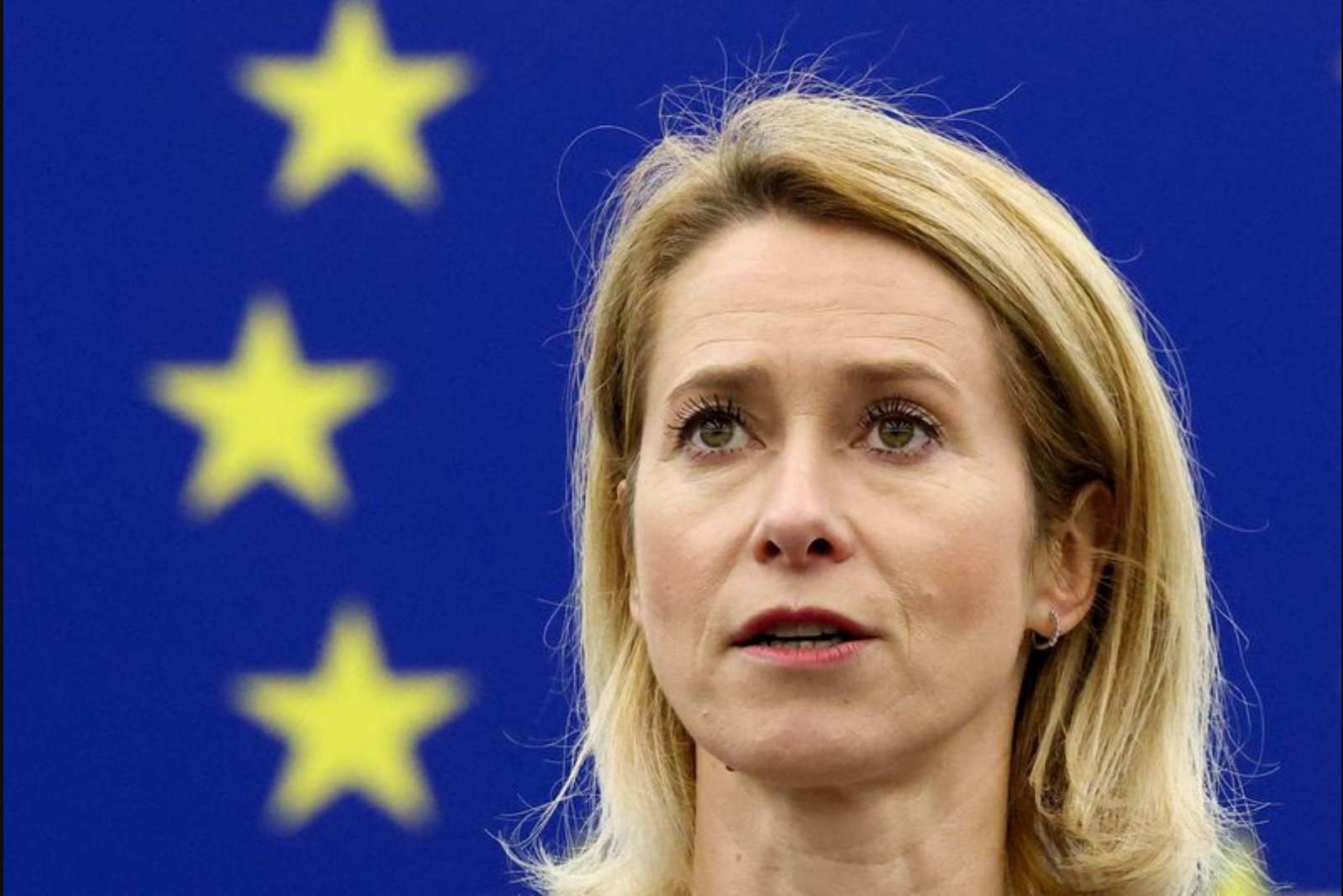
At the European Defence Agency's annual conference, Kaja Kallas, the European Union's chief for foreign policy, said Europe is no longer Washington's primary centre of gravity and that this is a structural shift rather than a passing development. Her remarks came as European leaders confront how to respond to U.S. President Donald Trump's approach to the transatlantic relationship.
Kallas emphasized that, despite the changing dynamics, the EU continues to pursue strong transatlantic ties and still regards the United States as an ally. However, she argued that Europe must adjust to the new realities shaping relations across the Atlantic. In that context, she made a direct case for greater European responsibility within NATO, saying that the alliance needs to become more European in order to maintain its strength.
During her address she also sounded a cautionary note about the broader international environment. Kallas said the risk of a full-blown return to coercive power politics and to a world organized around spheres of influence is very real. She added that the prospect of international affairs moving back to a setting where might makes right cannot be dismissed.
Her comments highlight a tension facing EU capitals: preserving a strategic relationship with the United States while recognising and responding to shifts in U.S. foreign policy posture. The speech framed this task as requiring institutional and strategic adaptation rather than expecting a quick reversion to prior patterns.
The conference setting underlined the defence and security focus of Kallas's remarks. She positioned the need for a more European NATO as a mechanism to sustain alliance strength in the face of evolving transatlantic priorities. Her warning about coercive geopolitics served as a reminder of the stakes that underlie debates on burden sharing and strategic autonomy.
The comments leave open many questions for policymakers and defence planners, including how European states and institutions will translate calls for greater responsibility into concrete policies and capabilities. Kallas' speech set a clear expectation that Europe should prepare for a lasting change in the architecture of transatlantic relations rather than treat the shift as temporary.